
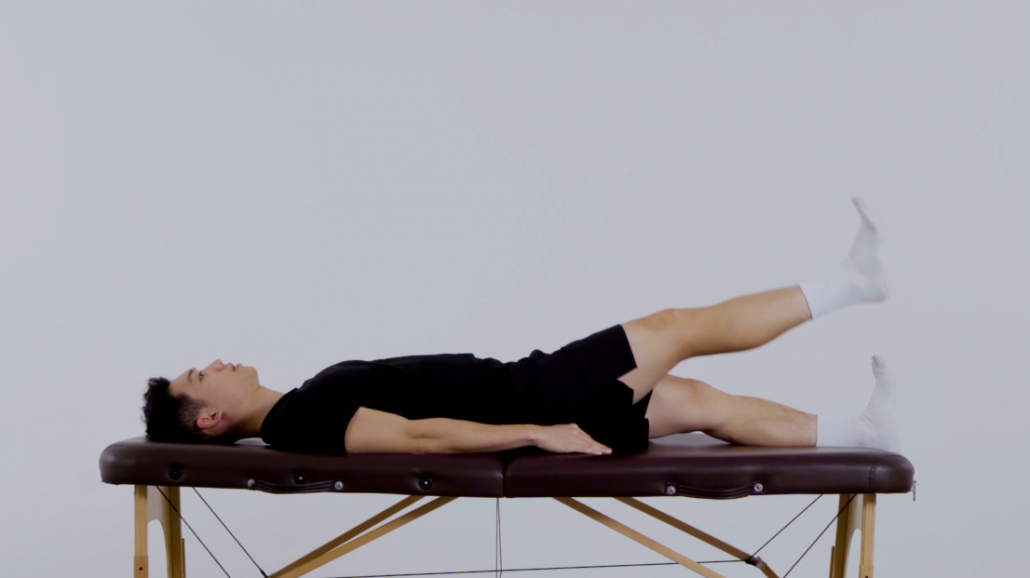
Ankle Sprain? Four Professional First-Aid Techniques Alternative versions
If you have any queries or suggestions, please feel free to reach out via email to info@harisonfitness.com. We will do everything in our capacity to ensure that you love your experience with us.
The ankle joint is a very important joint in the human foot. It bears the greatest amount of body weight of any joint in the body — in simple terms, it supports almost our entire body. Although the ankle is capable of bearing our full body weight, it is also prone to sprains.
In daily life, ankle sprains are very common. They often occur during intense exercise or from accidentally twisting the ankle — this is known as an acute ankle sprain. Causes of acute ankle sprain can include uneven ground, insufficient warm-up before exercise, or wearing unsuitable footwear for sports.
If an ankle sprain happens, what should we do? Don’t panic — rehabilitation experts will teach you first-aid methods. Save them quickly!
Ankle sprains are very common in everyday life. They often happen during intense exercise or from accidentally twisting the ankle — this is called an acute ankle sprain. Causes can include uneven ground, inadequate warm-up before exercise, or wearing unsuitable footwear for sports.
If an ankle sprain occurs, what should we do? Don’t panic — rehabilitation experts will teach you first-aid methods. Save them now!
01 Do Not Move It Randomly
When you discover an ankle sprain, avoid moving the ankle unnecessarily. Protect the injured area as much as possible and do not overstretch the affected site, as this can cause secondary injury. Don’t take it lightly just because it seems like a minor issue — walking around casually after a sprain may worsen the condition, leading to ligament strain, which will make recovery more difficult.
02 Apply Cold Therapy
Cold therapy is the best way to reduce swelling and also helps treat ankle sprains. Fix an ice pack to the injured area, applying cold for 10–20 minutes, then resting for 10 minutes. Repeat this cycle for up to two hours to achieve a swelling-reducing effect and relieve pain. Note: Experts advise against using heat. If possible, always use cold therapy — cold, cold, cold!
03 Immobilize the Injured Area
After a sprain, be sure to immobilize the area with a bandage. Wrap the ankle with appropriate pressure to increase joint stability, promote capillary constriction, and reduce fluid leakage. This approach helps prevent long-term complications. Keeping the limb at rest is the best state for healing.
04 Elevate the Affected Limb
When sleeping, reduce pressure on the injured area by placing a pillow or soft cushion under the ankle. This promotes blood circulation in the foot and leg.
The above are the first-aid steps for ankle sprains. Experts remind us that medication cannot replace later-stage rehabilitation. After managing the acute phase of an ankle sprain, appropriate functional exercises and rehabilitation training should be performed. If the sprain is severe, seek medical attention promptly so a doctor can determine the next treatment plan.
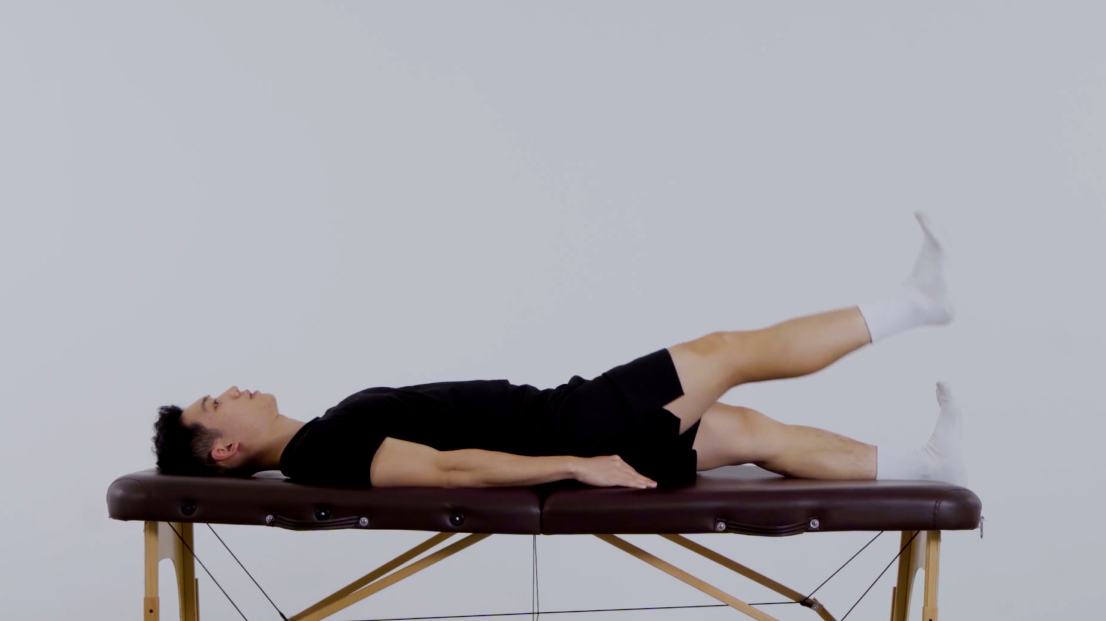
It’s also important to note: when running or participating in sports, it’s best to wear ankle braces and perform a proper warm-up. This is the best and lowest-cost preventive measure. Don’t wait until you sprain your ankle to regret it — that would be a loss rather than a gain.


Leave a Reply
Want to join the discussion?Feel free to contribute!