


Healthy Eating Guidelines for Men of Different Ages

If you have any queries or suggestions, please feel free to reach out via email to info@harisonfitness.com. We will do everything in our capacity to ensure that you love your experience with us.

As the pace of social development accelerates, men—as the pillars of their families—face increasing pressure, making physical health a top priority. We recommend saving this guide to healthy eating for men of all ages for future reference, so you can build a solid foundation of health for yourself and your family!

01 Early Years (Under 35)

Men at this stage are facing peak levels of stress: at work, they must compete with younger colleagues to secure opportunities for advancement; in their personal lives, they shoulder numerous responsibilities, such as their children’s education and daily household expenses. Constantly under pressure, they are prone to issues like mental fatigue, difficulty concentrating, weakened immunity, body aches, and digestive discomfort. In terms of diet, they should prioritize foods that nourish the brain, boost immunity, and strengthen the spleen to improve appetite. Combined with a regular schedule and a balanced diet, this approach can effectively alleviate discomfort, help prevent common minor health issues, and lay a solid foundation for overall well-being.

02 Middle Age (35–50)

As men enter middle age, they find themselves increasingly torn between family and work, shouldering heavier responsibilities. This prolonged state of busyness quietly sows the seeds of potential health risks. This stage marks a high-risk period for conditions such as hypertension, hyperlipidemia, and hyperglycemia, as well as fatty liver disease, stomach ailments, and heart disease; the risk of cancer also rises significantly. Dietary choices should prioritize light, healthy foods, strictly adhering to low-salt and low-fat principles, with a focus on managing high blood pressure, high blood sugar, high cholesterol, and fatty liver disease. Additionally, to prevent osteoporosis, men should increase their intake of calcium-rich foods such as milk and eggs. Combined with regular health checkups to monitor their physical condition in real time, they can leverage the natural benefits of diet to scientifically maintain their health.

03 Middle and Later Adulthood (ages 50–65)

Compared to the previous two stages, men in this period experience a gradual reduction in life pressures and fewer daily concerns. However, unhealthy dietary and lifestyle habits from earlier years have begun to take a toll on their physical health. At this stage, men are prone to issues such as cardiovascular and cerebrovascular hardening and osteoporosis. Their dental function declines, making it difficult to chew hard foods, and both their immune and digestive systems are significantly weaker than before. In terms of diet, men should focus on supplementing various nutrients, reducing fat intake, and eating more fresh vegetables. At the same time, they should maintain 30–60 minutes of moderate exercise daily to boost their immune system and prevent age-related heart conditions and other diseases.

04 Old Age (65 and older)

As men enter their later years, they can look forward to enjoying their golden years with peace of mind, and health naturally becomes a top priority. At this stage, many men may experience issues such as hair loss and loose teeth, and the functions of various bodily systems begin to decline to varying degrees. Although they may not be suffering from serious illnesses, they are often plagued by minor ailments. In terms of diet, the focus should be on foods that help prevent cerebral atrophy and cardiovascular disease, such as leafy green vegetables, whole grains, low-sugar fruits, and tea. Ingredients should be chosen for their ease of digestion and absorption, with a soft texture to reduce the burden on the digestive system and the body.


Regardless of age, men’s diets should not only address the specific needs of each life stage but also prioritize the intake of essential nutrients—each of which plays an irreplaceable role in the body. Balanced nutrition is the cornerstone of a healthy diet. Taking charge of one’s own health is key; only by proactively prioritizing physical well-being can one maintain a robust constitution. As the pillars of their families, may every man keep this wellness guide close at hand, taking responsibility not only for himself but also for his loved ones!

Do your knees hurt all the time? It’s probably your anterior cruciate ligament crying out for help.

If you have any queries or suggestions, please feel free to reach out via email to info@harisonfitness.com. We will do everything in our capacity to ensure that you love your experience with us.

The anterior cruciate ligament is a very important structure that plays a crucial role in our daily movements and activities. So, specifically, where exactly is the anterior cruciate ligament located?

01 Where is the anterior cruciate ligament located?

The anterior cruciate ligament is primarily located within the joint cavity of the knee and is one of the most important ligaments in the human body. Specifically, it originates from the posterior aspect of the medial condyle of the femur, runs downward, passes through the intercondylar fossa, and extends forward, downward, and inward until it attaches to the anterior bony surface of the tibial tubercle.

02 The Function of the Anterior Cruciate Ligament

The primary function of the anterior cruciate ligament is to prevent excessive backward movement of the femur and excessive forward movement of the tibia, keeping them within their normal range of motion. Additionally, it prevents excessive extension and rotation of the knee joint, thereby protecting the knee from injury.

03 What Causes Anterior Cruciate Ligament Injuries?

Because the anterior cruciate ligament (ACL) plays a crucial role in athletic activities, excessive strain can lead to its injury. For example, improper exercise techniques or excessive stretching can cause such injuries, which are commonly seen in athletes. In addition to these factors, car accidents and falls from heights can also result in ACL injuries.
Following an injury, the affected area will experience pain and swelling; in severe cases, the individual may even be unable to walk normally. At this point, treatment is necessary. If the injury is minor, conservative treatment may suffice; however, if it is more severe, an ACL reconstruction procedure will be required.

04How to Recover After Anterior Cruciate Ligament Reconstruction

Exercise 1: Quadriceps Contraction

Instructions: Sit on the bed with your upper body upright. Place your arms behind you for support and keep both legs flat on the bed. Tighten the muscles on the front of the affected thigh. As you tighten them, you should feel your knee lift slightly upward—the movement should be very small—and your toes should point upward. Perform two sets of this exercise, with 8 repetitions per set.

Exercise 2: Heel Slide

Instructions: Lie on your back with your upper body flat against the bed and remain still. Place your arms at your sides and relax naturally. Keep the unaffected leg flat on the bed and still. With the heel of the affected leg touching the bed, slowly slide it inward, then slowly return it to the starting position. Maintain even breathing throughout this exercise. Perform two sets of this exercise, with 8 repetitions per set.

Exercise 3: 45-Degree Straight-Leg Raise

Instructions: Lie on your back with your upper body flat against the bed and held still. Place your arms at your sides with palms open and flat against the bed. Keep your legs naturally apart, shoulder-width apart. Keep the unaffected leg stationary with toes pointed upward. Slowly raise the affected leg until it forms a 45-degree angle with the floor, then slowly lower it back down, maintaining even breathing. Remember not to exceed a 45-degree angle, as this may cause pain or discomfort. Repeat this exercise, performing two sets of 8 repetitions each.

Exercise 4: Ankle Pumps

Key Points: This exercise is performed in a seated position. Keep your upper body upright and stable. Place both arms at your sides, slightly behind your body but not too far back. Open your hands so that your palms face down and support your body. Keep your legs naturally apart, flat on the bed, with toes pointing upward. Using the ankle joint as the pivot point, rock the affected leg back and forth. Repeat this exercise, performing two sets of 8 repetitions each.


All four of these exercises can be done at home, 40 minutes after meals, two to three times a day. They can effectively improve lower limb mobility and prevent postoperative adhesions.

Postoperative Care for Rotator Cuff Injuries: Home Rehabilitation Exercises Are Essential

If you have any queries or suggestions, please feel free to reach out via email to info@harisonfitness.com. We will do everything in our capacity to ensure that you love your experience with us.

Injuries to the rotator cuff not only cause severe pain but also limit limb movement; in more serious cases, patients may be unable to perform even basic movements.

For those with particularly severe injuries, surgery is often necessary to restore full function. However, surgery alone cannot guarantee a perfect outcome; active post-operative exercises are essential to repair the tendons. Only through this combination can the healing of rotator cuff injuries be effectively and rapidly promoted.

01Symptoms of rotator cuff injuries

If the rotator cuff is injured, pain is one of the primary symptoms. However, this pain does not appear immediately; instead, it develops gradually.

Starting with mild discomfort and progressing to severe pain indicates a rotator cuff injury, which could be a tendon tear or a rotator cuff avulsion. However, some individuals may experience unbearable pain. In such cases, the issue may extend beyond a simple rotator cuff injury and could be accompanied by a fracture, hairline fracture, or dislocation.

In addition to pain, swelling, redness, or even bruising may occur in the rotator cuff area. Furthermore, moving the arm may become very difficult. These are also common symptoms of a rotator cuff injury.

02 How to Prevent Shoulder Injuries

1. Be Mindful of Protection

Whether you are older or younger, it is important to be mindful of protecting your shoulder joints and to avoid falls and impacts as much as possible. For older individuals or those who have previously suffered rotator cuff injuries, avoid lifting heavy objects with the affected arm whenever possible. Doing so can cause severe strain on the rotator cuff tendons, leading to further damage or even a tear.

2. Perform Proper Warm-Up Exercises

Athletes are also prone to rotator cuff injuries. Although they do not engage in excessive physical labor, repetitive training and extreme arm abduction can still cause tendon damage, particularly among swimmers and weightlifters. Therefore, in addition to taking protective measures, it is essential to warm up thoroughly before exercising to loosen up the body. This significantly reduces the likelihood of rotator cuff injuries. Additionally, ensure that your exercise form and technique are correct during workouts; this provides an extra layer of protection for your rotator cuff.

03Home Exercises for Shoulder Injuries

Exercise 1: Prone Rowing

For this exercise, lie face down with the affected arm extended off the bed, hanging naturally. Hold a dumbbell—choose one that isn’t too heavy and work within your limits. As you exhale, extend your arm backward and pull the dumbbell upward. As you inhale, return your arm to the starting position. Repeat this movement. The exercise should last approximately 32 seconds.

Exercise 2: Prone Shoulder Extension

For this exercise, lie face down with the affected arm extended off the bed, straight and hanging naturally, with a slight fist. As you exhale, extend your arm backward; as you inhale, return your arm to the starting position. Repeat the exercise. The duration is approximately 32 seconds.

Exercise 3: Supine Arm Raise

For this exercise, lie on your back. Slowly raise the affected arm, then lower it to your side. Keep the arm relaxed with fingers spread apart, and breathe evenly and gently. Repeat the exercise. The duration is approximately 32 seconds.

Exercise 4: Supine External Rotation

For this exercise, lie on your back. Bend the affected arm at the elbow to a 90-degree angle, with the palm slightly clenched. Keep the upper arm pressed against your torso at all times, then slowly rotate the forearm of the affected arm outward. Repeat the exercise. Duration: approximately 32 seconds.

The four exercises above are all recovery exercises for rotator cuff injuries. They can effectively improve upper limb joint stability and muscle strength. However, they should be performed 40 minutes after a meal for optimal results.

Working out without eating is a waste of time! Here are all the key nutrition tips

If you have any queries or suggestions, please feel free to reach out via email to info@harisonfitness.com. We will do everything in our capacity to ensure that you love your experience with us.

If you want a strong physique and a beautiful figure, working out is a positive and effective way to achieve them. However, focusing solely on exercise while neglecting your diet—or even binge eating and consuming an unbalanced diet after a workout—will only significantly diminish your results and push you further away from your fitness goals. A scientifically sound diet can make your workouts twice as effective. The core principle is to reasonably control your calorie intake so that it matches your energy expenditure from exercise; only then will the results of muscle gain and fat loss become clearly visible. If you want to exercise scientifically, you must keep these dietary tips in mind.

01 Control Calorie Intake Scientifically

When we talk about fitness and muscle building, we are essentially referring to increasing muscle mass through strength training. Therefore, proper nutrition is particularly crucial for those aiming to build muscle, and their caloric intake is significantly higher than that of the general population. While the average adult burns approximately 2,000–2,400 calories daily through routine activities, fitness enthusiasts need to consume 10% more calories than average during muscle-building phases to control body fat percentage and sculpt muscle definition. For those who are naturally lean and looking to build muscle, calorie intake should be increased by 15% to meet the body’s energy demands during training, provide sufficient fuel for muscle growth, and help develop firmer, more defined muscles with distinct contours.

02 Increase your protein intake moderately

Rapid muscle growth requires an adequate intake of protein. During muscle-building training, it is especially important to reduce the intake of low-quality fats and significantly increase the intake of high-quality protein. From a scientific fitness perspective, the recommended daily protein intake for adult trainees is 2 grams per kilogram of body weight. At the same time, protein supplementation should not be the sole focus; nutrients such as iron, zinc, various vitamins, and carbohydrates are equally essential. In daily life, you can eat more alkaline foods like fruits and vegetables to ensure an adequate intake of vitamins.

Eating three meals a day is the best way to get protein; incorporate ingredients like chicken breast, fish, shrimp, and eggs into your meals. When preparing high-calorie foods, prioritize steaming or boiling, as these methods reduce excess calorie intake while preserving nutrients. For breakfast, a combination of carrots, milk, and eggs is recommended, as it provides a balanced and comprehensive nutritional profile. Additionally, moderate amounts of high-protein foods should be consumed both before and after workouts to fuel muscle growth and effectively repair muscle fibers damaged during training.

03 Eat smaller, more frequent meals to meet your training energy needs

If you observe the muscular fitness enthusiasts around you, you’ll notice that they generally eat more frequently than the average person and consume higher amounts of calories and protein. During muscle-building training, it’s recommended to increase your daily meal frequency to five meals, spread out across five time slots: breakfast, a mid-morning snack, lunch, an afternoon snack, and dinner. Eating smaller, more frequent meals improves digestive efficiency and nutrient absorption, providing the body with a steady supply of calories and protein. As the body continuously burns energy during workouts, regular, spaced-out meals help maintain a balance between intake and expenditure, leading to more significant results in muscle gain and fat loss.

04 Improve the Quality of Fat Intake

The goal of scientific fitness training is to reduce body fat and build muscle, but this does not mean you should completely eliminate fat from your diet. The quality of fat varies greatly among different foods, and choosing high-quality fats is the key to a balanced diet. Foods like cream and chocolate contain poor-quality fats that do nothing to help build muscle and can even lead to fat accumulation; conversely, avocados and nuts are rich in high-quality fats. Consuming moderate amounts of high-quality fats before and after muscle-building workouts helps maintain normal metabolic function without hindering body sculpting, thereby supporting your fitness training.

Today, people are increasingly focused on health and body composition management, and a scientifically sound fitness regimen must be paired with a balanced diet. Nutrition provides the energy needed for training, allowing consumed calories and protein to be converted into muscle while gradually reducing excess body fat. Fitness enthusiasts, the next time you plan your workout meals, consider these key points when selecting ingredients. This will ensure you see results from every workout and effortlessly achieve your ideal physique and perfect body shape.

Eating Too Fast Can Actually Cause So Many Health Problems

If you have any queries or suggestions, please feel free to reach out via email to info@harisonfitness.com. We will do everything in our capacity to ensure that you love your experience with us.

Mealtime should be the most enjoyable part of the day, but for various reasons, we tend to eat faster and faster—whether we’re busy with school, work, or daily chores. What you may not realize, however, is that eating too quickly can lead to a range of health issues!

Older people often say, “Eat slowly, eat slowly—be careful not to choke.” In reality, eating too fast is about more than just choking; it can lead you to eat more, cause higher blood sugar levels, and even trigger related health issues!

01 The Dangers of Eating Too Fast

Numerous studies have shown that people who eat quickly are 2.15 times more likely to become obese than those who eat slowly! Eating quickly causes blood sugar levels to rise rapidly, prompting the body to release large amounts of insulin. Therefore, if you’re trying to lose weight, it’s essential to chew slowly and thoroughly while eating smaller portions. This not only reduces your risk of obesity but also increases feelings of fullness—killing two birds with one stone!

Did you know? Eating too quickly can actually lead to vascular issues. When you eat too fast, you chew less, which reduces jaw muscle activity and is detrimental to cardiovascular circulation. Furthermore, eating too quickly can cause your heart rate to accelerate. For people with pre-existing heart conditions, this can easily trigger palpitations and discomfort. So, don’t eat too fast—chewing slowly and thoroughly offers many benefits.

02 Four Tips to Help You Eat More Slowly

Since eating too fast affects our physical health and makes it easy to gain weight, we should eat more slowly. In fact, for many people, eating quickly is a behavior that’s practically hardwired into their genes. So what can we do about it? How can we slow down our eating pace?


1. Don’t watch TV or use your phone while eating

Although scrolling through shows or playing on your phone while eating is fun, it keeps your mouth moving nonstop, leading you to unconsciously eat too much. So, put away your screen and focus your attention on the food you’re enjoying—you’ll likely find that your eating speed slows down as a result.


2. Chew consciously

Many people, once they feel hungry, can’t wait to stuff their mouths full and eat heartily. While this may provide a sense of satisfaction, it has only drawbacks and no benefits. When eating, chew consciously, take small bites, and chew several times before swallowing. You can also drink a little water to slow down your eating pace and help you enjoy the pleasure of eating.

3. Change Your Dining Environment

A comfortable environment not only alleviates anxiety but also lifts your spirits and enhances your appreciation of food. While eating, chat with family members to create a pleasant atmosphere. Put some thought into meal preparation—experiment with plating and presentation—and you’ll naturally slow down your eating pace.

4. Choose Low-Glycemic Foods

If you frequently eat large portions of rice and struggle to control your portion sizes, try incorporating more low-glycemic foods and high-quality proteins into your diet—such as buckwheat noodles, vegetables, beef, and fresh shrimp. These options are highly satisfying, keep you full longer, and are less likely to contribute to weight gain.

For the sake of your health, please don’t eat too quickly. Eating isn’t just about filling your stomach; when you chew slowly and savor your food, you’ll truly appreciate the charm of good food.


How can older adults follow a low-fat diet?

If you have any queries or suggestions, please feel free to reach out via email to info@harisonfitness.com. We will do everything in our capacity to ensure that you love your experience with us.

Many older adults worry about consuming too much fat, so they try to avoid meat or eat very little of it; some even choose to become vegetarians. In reality, these approaches are based on a misconception about low-fat diets. A low-fat diet does not mean avoiding meat altogether, nor does it mean completely eliminating fat intake. So, how can one eat in a way that avoids excessive fat intake while still meeting the body’s normal nutritional needs?

01 Why Promote a Low-Fat Diet?

Low-salt and low-fat diets are commonly recommended for patients with hypertension, diabetes, coronary heart disease, kidney disease, and hyperlipidemia. The appropriate level of salt intake in a low-salt diet should be determined based on the specific condition. For patients with hypertension or kidney disease, daily salt intake should generally be limited to 3 grams, while those with diabetes but without hypertension should aim for approximately 2 grams. A low-fat diet primarily restricts saturated fatty acids, while allowing moderate intake of unsaturated fatty acids, which are beneficial to health.

02 Are There Any “Side Effects” to a Low-Fat Diet?

A low-fat diet can lead to insufficient protein intake, which is equally harmful to health. The low-fat diet we advocate actually consists of two components: first, controlling total fat intake to prevent excess energy intake; and second, balancing the ratio of fatty acids to avoid excessive intake of saturated fatty acids.

One gram of fat provides 9 kcal of energy, which is significantly higher than the 4 kcal provided by 1 gram of protein (1 gram of carbohydrates also provides 4 kcal). Therefore, fat has the highest energy density, and excessive intake can easily lead to an energy surplus and result in obesity. At the same time, animal fats—particularly those in red meat—are high in saturated fatty acids, which pose a significant risk to cardiovascular and cerebrovascular health.

Specifically, to follow a low-fat diet, the following measures should be taken:

1. Limit the intake of fatty foods (such as meat, dairy products, and cooking oils).

Even lean pork contains about 20% animal fat that is invisible to the naked eye, so the elderly should consume red meat in moderation. The total daily intake of red meat, poultry, and seafood should not exceed 150 g. Avoid fatty cuts of meat, chicken skin, and other high-fat foods as much as possible.

2. Daily cooking oil intake should not exceed 25 g.

Even vegetable oils are not low in fat; in fact, refined vegetable oils contain as much as 99% fat. The best way to limit cooking oil intake is to reduce frying and deep-frying during food preparation.

Polyunsaturated fatty acids are found in vegetable oils, particularly in commonly used oils such as rapeseed oil, corn oil, soybean oil, and peanut oil, each of which has its own benefits. Mixing different types of cooking oils is better for your health than relying on just one.

3. Reduce the frequency of eating out.

To ensure taste and presentation, restaurant food generally uses more oil and salt. Frequent dining out (including takeout) can unknowingly increase your intake of oil and salt.

4. Consume moderate amounts of soybeans and soy products daily.

This helps reduce your intake of saturated fatty acids. Additionally, fish and other seafood provide high-quality protein. Pairing them with grains creates a protein-complementary effect that enhances protein absorption. Minimize your consumption of chicken and duck meat.

Different stomach conditions have different dietary restrictions. Do you know what they are?

If you have any queries or suggestions, please feel free to reach out via email to info@harisonfitness.com. We will do everything in our capacity to ensure that you love your experience with us.

There are many causes of stomach ailments, with irregular eating habits being the primary culprit. Other factors, such as Helicobacter pylori infection and emotional stress, also contribute to these conditions, causing significant inconvenience in our daily lives. It is often said that treating stomach ailments requires 30% medical treatment and 70% self-care. In addition to managing the patient’s emotions and cooperating with treatment, dietary hygiene and nutritional management are also crucial. So, what are the dietary restrictions for patients with stomach ailments?

Stomach ailments come in many forms, and the appropriate dietary restrictions and care methods vary depending on the specific condition. Let’s examine the key considerations for three common conditions: gastritis, gastric ulcers, and gastroesophageal reflux disease (GERD).

01 Gastritis

Gastritis is primarily classified into acute and chronic forms. Acute gastritis is often caused by bacterial infections, and symptoms vary. With prompt medical attention and proper treatment, it usually resolves quickly. Chronic gastritis, however, has a prolonged course and is prone to recurrence, making proper management particularly important. It can be further subdivided into types such as superficial and atrophic gastritis. Most patients with chronic gastritis have higher stomach acid secretion than average. Their daily diet should focus on controlling stomach acid by avoiding foods that stimulate excessive acid production, such as rich meat broths, bone broths, and other types of concentrated soups, as well as acidic fruits and carbonated beverages. At the same time, they should consume more alkaline foods to neutralize stomach acid; fermented steamed buns, noodles, and soda crackers are all good choices. It is also essential to strictly avoid spicy and irritating foods such as chili peppers.

02 Gastric Ulcer

Gastric ulcers are the most common gastric disorder, primarily caused by excessive stomach acid secretion that continuously erodes the gastric mucosa. Patients often experience discomfort such as abdominal pain and bloating; in severe cases, it may lead to gastric bleeding or perforation. Therefore, the key to dietary management is to suppress gastric acid secretion and protect the gastric mucosa. In addition to avoiding spicy and irritating foods, patients should also steer clear of hard-to-digest foods such as high-fiber whole grains and certain vegetables, as well as gas-producing foods like radishes and chestnuts. Daily meals should consist primarily of soft, easily digestible foods; suitable options include egg custard, rice porridge, well-cooked noodles, and lightly seasoned fish. In cases of acute ulcer flare-ups with severe symptoms, a liquid diet may be necessary. Using a blender to puree ingredients into a nutritious liquid diet can both reduce the burden on the stomach and ensure adequate nutrient intake.

03 Gastroesophageal Reflux

Many people are familiar with gastroesophageal reflux. A typical symptom is the regurgitation of stomach contents into the throat after overeating, during which the refluxed stomach acid can damage the esophageal lining. Patients with this condition should first avoid overeating to reduce the burden on the gastrointestinal system. At the same time, they should steer clear of high-fat foods; in obese individuals, abdominal fat accumulation can exacerbate the reflux of stomach acid and bile, so their diet should consist of low-fat, low-salt meals. Furthermore, meals should consist of dry foods; staple foods such as rice and noodles are recommended, while porridge should be avoided as much as possible. Although porridge may seem gentle on the stomach, it actually increases pressure in the stomach, thereby worsening reflux symptoms.

The diversity of gastric disorders warrants our attention. Early treatment leads to early recovery. In daily care, maintain dietary variety and ensure scientifically balanced nutrition based on the specific causes of each condition. Eat at regular intervals, prioritize breakfast, and avoid overeating at dinner. With everyone’s efforts and consistent care, we can certainly alleviate or cure gastric disorders.

Who knew there were so many techniques to running?

If you have any queries or suggestions, please feel free to reach out via email to info@harisonfitness.com. We will do everything in our capacity to ensure that you love your experience with us.

Many people feel they’ve tried various methods but found that running doesn’t help them lose weight. Perhaps you should consider the following factors.

1. Running Shoes

If you’re just doing casual jogging, we recommend switching to shoes with thin soles. Shoes with thin soles are lighter and more comfortable to run in, making them ideal for casual jogging.

2. Form

Proper form is key to preventing all sports injuries. You should maintain correct form from the very start—even when running just a few hundred meters—and strive to keep it consistent throughout the entire run, from the moment you start until you stop. There are distinct differences in form and technique between short-distance sprints and long-distance jogging. There is also a subtle distinction between “correct” running form and “efficient” running form—the latter applies primarily to long-distance running. Efficient running form builds upon correct form to minimize energy expenditure over the same distance, so correct form serves as the foundation.

III. Muscle Strength

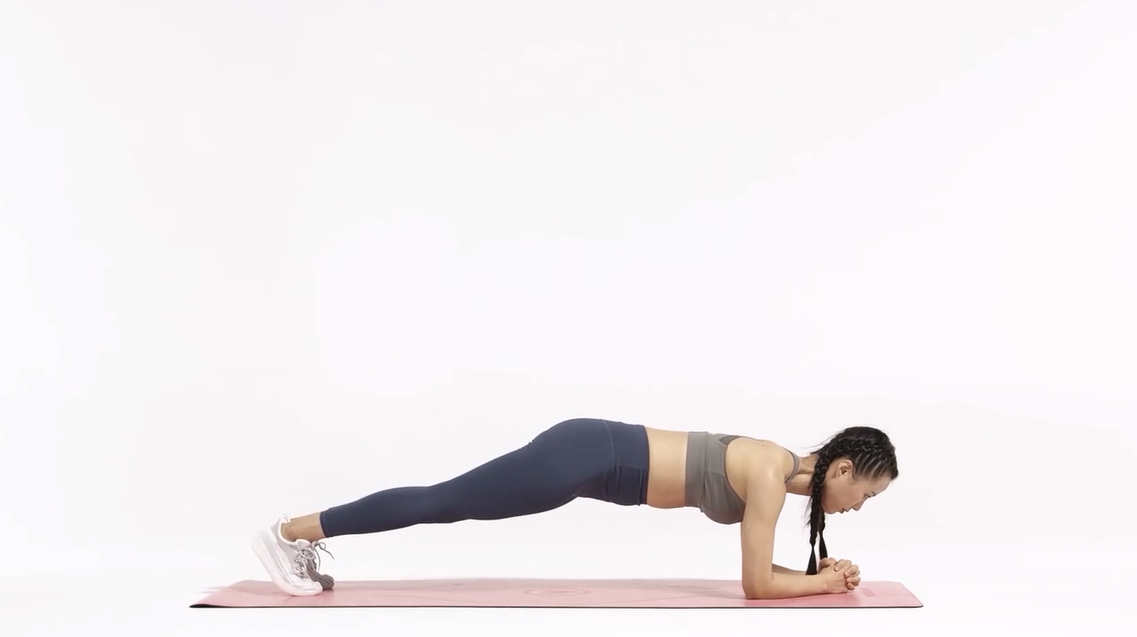
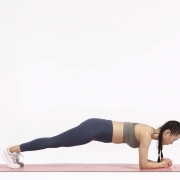
This refers to the balanced development of muscle strength throughout the entire body. Running involves more than just leg muscles; in fact, the small muscle groups in the feet, ankles, and joints, as well as upper body and shoulder-back strength—particularly core strength—are all crucial. If you have no prior athletic background and are just starting to run, it is best to begin with strength training first; this will make your running workouts more effective. Strengthening your core helps maintain stability during running, ensuring smoother breathing, better balance, and a more controlled foot strike, thereby reducing the risk of injury. Note: Core strength involves all the muscles surrounding the body—it is not limited to the rectus abdominis. Therefore, doing only sit-ups is ineffective for building core strength. We recommend various poses and variations of the “plank.”

IV. Running Volume

Follow the principle of gradual progression, especially in the early stages; do not rashly increase your training volume. Generally, running one day and resting the next is best, giving your muscles time to recover. A safe and steady approach in the early stages is to ensure that the increase in volume each week does not exceed 10% compared to the previous week.

V. Nutrition

As long as you’re running, you must ensure you eat well. As the saying goes, “30% training, 70% nutrition.” Many people, in an effort to lose weight quickly, exercise more and eat less—this is unreasonable. There’s a clear difference between weight loss and fat loss; for example, my goal has never been to lose weight but to lose fat.

The ideal scenario for fat loss is maintaining your weight while building muscle—this way, what you’re losing is fat. Many people mistakenly equate weight loss with losing body weight, which is a common pitfall. Focusing on your “body fat percentage” is far more important than worrying about the scale. As mentioned earlier, strength training is essential because it builds muscle, which boosts your basal metabolic rate and helps burn excess fat. Simply put: exercise more, build more muscle, eat with purpose, burn more calories, and you’ll naturally be healthier.

Cut back on greasy foods and excessive salt, eat plenty of fruits and vegetables, and ensure you get enough carbohydrates and high-quality protein. As for sugar intake, that depends on the intensity of your daily workouts. If you keep these points in mind, your running weight loss plan might just succeed.


When trying to lose weight, what should I eat after exercising if I’m hungry to avoid regaining the weight?

If you have any queries or suggestions, please feel free to reach out via email to info@harisonfitness.com. We will do everything in our capacity to ensure that you love your experience with us.

After a fat-burning and muscle-building workout, your brain usually sends hunger signals. If you choose to ignore your hunger and skip a meal, you’ll still gain weight!

01 Can I eat after exercising?

During daily metabolic processes, the body first depletes glycogen stores, followed by fat, and then protein. Furthermore, the basal metabolic rate of a healthy adult typically ranges from -10% to +15%; this is even more true after a series of physical exercises, when the body’s energy expenditure is certainly higher than usual.

During exercise, muscle cells deplete their glycogen stores significantly. There is no doubt that the body needs to replenish its energy as quickly as possible, so it is essential to consume appropriate food after working out. Otherwise, if you remain hungry after exercise, it will hinder both muscle recovery and the restoration of your immune system!


Don’t simply refuse to eat normally out of fear that an increased appetite after exercise will lead to weight regain. After all, during weight loss, the depletion of glycogen and fat are interlinked. While you burn sugar during exercise, afterward, your body will make you replenish the sugar it needs by burning fat.

02 What to Eat After Exercise: A Must-Know for Weight Loss

According to sports nutrition, it is not advisable to eat a large meal within 30 minutes of exercising, nor is it recommended to consume large amounts of solid food. Instead, it is best to start with a small amount of carbohydrates to replenish the glycogen depleted during exercise, as carbohydrates consumed during this window are least likely to be converted into fat.

Since glycogen synthase activity is at its peak after exercise, replenishing carbohydrates as soon as possible can effectively restore energy and balance blood sugar levels. At the same time, it promotes protein absorption, which helps repair and build muscle, boosts basal metabolism, and enhances weight loss efficiency. For example, you can prepare a fist-sized piece of sugar-free oat bread or instant oatmeal.

Replenish fluids and electrolytes promptly—the sooner, the better—by drinking a sports drink. Avoid plain milk or sugary soy milk, as these can strain the digestive system; instead, opt for yogurt, which is relatively nutrient-rich and easier to digest.

The period between half an hour and one hour after exercise is known as the “golden window,” an optimal time for recovery. During this window, skeletal muscle cells open pathways for nutrients such as carbohydrates and amino acids. This is because blood glucose levels and protein can stimulate insulin secretion, and insulin’s primary function is to promote the body’s utilization of sugar, fat, and amino acids.

Therefore, in addition to replenishing carbohydrates, you can also consume high-quality protein sources such as chicken breast, salmon, skim milk, or low-sugar/sugar-free soy milk to increase satiety. If nutritional intake is timely and the quantities and ratios are appropriate, you can capitalize on this window to help maintain muscle mass and maximize repair and growth. It’s also important to note that consuming high-fat foods during this period can actually increase feelings of fatigue.

Additionally, if you lack the energy to prepare a meal immediately after exercising, the most convenient options are small snacks, raw vegetables, or fruits. For example, you could have 400ml of skim milk with a small piece of dark chocolate; for fruits, choose apples, which are rich in vitamins and dietary fiber—they are low in calories yet highly satiating; For vegetables, choose cucumbers, which are low in calories and extremely high in water content. They help prevent the body’s carbohydrates from converting into fat, allowing them to be absorbed and stored more effectively as energy, preparing you for the next round of calorie expenditure.

During weight loss, you need to consume plenty of water, along with certain vitamins to aid in the conversion of glucose into energy. This process can easily lead to the depletion and deficiency of vitamins C and B. Therefore, after exercising to lose weight, you should also eat plenty of foods rich in vitamins.

So, to achieve better weight loss results, you must eat sensibly after exercising. It’s important to understand that skipping meals or eating the wrong foods can lead to a vicious cycle of weight regain. Save this essential post-workout nutrition guide—have you started following it yet?

What are the main symptoms of an acetabular fracture, and how can postoperative rehabilitation be conducted in a scientific and appropriate manner?

If you have any queries or suggestions, please feel free to reach out via email to info@harisonfitness.com. We will do everything in our capacity to ensure that you love your experience with us.

Acetabular fractures are a very common type of bone fracture. Once the acetabulum is injured, it can significantly impact daily life. The most common symptoms include pain and an inability to walk or move normally. So, what exactly are the main symptoms of an acetabular fracture?

01 What are the main symptoms of an acetabular fracture?

If a person suffers a fracture of the acetabulum, the primary symptoms can be divided into two categories: typical symptoms and accompanying symptoms.

1. Typical Symptoms

The most typical symptom of an acetabular fracture is pain. This pain can be excruciating; not only is it painful when pressure is applied, but in some cases, it is felt even without touching the area—simply resting the limb can cause significant discomfort. Additionally, patients may experience localized swelling and bleeding; in some cases, blood may not flow outward, resulting in bruising. Movement of the affected limb may also be restricted to some extent.

In cases of compression fractures, the limb may appear shorter. If the fracture is complicated by femoral head dislocation, other deformities may also occur.

2. Associated Symptoms

Accompanying symptoms may also arise following an acetabular fracture. Because this area is located close to the reproductive system, the urethra may be injured, leading to urinary difficulties or even hematuria. Furthermore, due to its proximity to the intestines, digestive issues may occur, such as abdominal pain, bloating, or loss of appetite. Therefore, if any accompanying symptoms appear, they should be reported to a doctor immediately so that targeted treatment can be administered.

02 What are the diagnostic criteria?

The diagnosis is primarily based on the fact that the affected area has sustained trauma. Additionally, during a physical examination, the doctor may observe symptoms such as bruising, pain, swelling, and limited mobility. However, these findings alone are not sufficient to confirm the diagnosis; an X-ray or MRI scan is also required to determine whether a fracture is present.

03 How to Perform Recovery Movements

Exercise 1:

Key Points: Perform this exercise while standing. Keep your upper body upright, clench your fists, and raise your forearms toward your chin, positioning them about a fist’s width away from your chin. For your lower body, keep the affected leg on the ground while lifting the healthy leg backward; the toes should touch the ground lightly but not rest flat on it. Then, carefully and slowly lower yourself into a squat. Do not squat too deeply; a slight squat is sufficient. While performing this exercise, pay attention to the direction of your knees—they must always point toward your toes to protect your knees. Practice: Repeat this exercise, performing 3 sets of 10 repetitions each.

Exercise 2: Step-ups

Key Points: This exercise is performed in a standing position. First, prepare two steps, then step up to the top of the step and step back down. There is no need to move too quickly; proceed at a pace that matches your actual physical capacity. Practice: Repeat this exercise for 3 sets, with each set lasting 30 seconds.

Exercise 3: Wall Squats

Key Points: This is a standing exercise. Keep your upper body upright and press firmly against the wall. Cross your forearms across your chest with your palms facing up. Stand with your feet shoulder-width apart, toes pointing forward, and heels about half a step away from the wall. As you inhale, slowly lower your back down; as you exhale, slowly slide your back up and return to a standing position. Additionally, when performing this exercise, keep your knees aligned with your toes to prevent knee strain. Practice: Repeat this exercise for approximately 25 seconds.

The three exercises above are designed for recovery after a hip fracture. Perform them twice or three times daily, 40 minutes after meals. They effectively improve upper limb joint stability and muscle strength, promoting recovery.