When trying to lose weight, what should I eat after exercising if I’m hungry to avoid regaining the weight?
If you have any queries or suggestions, please feel free to reach out via email to info@harisonfitness.com. We will do everything in our capacity to ensure that you love your experience with us.
After a fat-burning and muscle-building workout, your brain usually sends hunger signals. If you choose to ignore your hunger and skip a meal, you’ll still gain weight!
01 Can I eat after exercising?
During daily metabolic processes, the body first depletes glycogen stores, followed by fat, and then protein. Furthermore, the basal metabolic rate of a healthy adult typically ranges from -10% to +15%; this is even more true after a series of physical exercises, when the body’s energy expenditure is certainly higher than usual.
During exercise, muscle cells deplete their glycogen stores significantly. There is no doubt that the body needs to replenish its energy as quickly as possible, so it is essential to consume appropriate food after working out. Otherwise, if you remain hungry after exercise, it will hinder both muscle recovery and the restoration of your immune system!
Don’t simply refuse to eat normally out of fear that an increased appetite after exercise will lead to weight regain. After all, during weight loss, the depletion of glycogen and fat are interlinked. While you burn sugar during exercise, afterward, your body will make you replenish the sugar it needs by burning fat.
02 What to Eat After Exercise: A Must-Know for Weight Loss
According to sports nutrition, it is not advisable to eat a large meal within 30 minutes of exercising, nor is it recommended to consume large amounts of solid food. Instead, it is best to start with a small amount of carbohydrates to replenish the glycogen depleted during exercise, as carbohydrates consumed during this window are least likely to be converted into fat.
Since glycogen synthase activity is at its peak after exercise, replenishing carbohydrates as soon as possible can effectively restore energy and balance blood sugar levels. At the same time, it promotes protein absorption, which helps repair and build muscle, boosts basal metabolism, and enhances weight loss efficiency. For example, you can prepare a fist-sized piece of sugar-free oat bread or instant oatmeal.
Replenish fluids and electrolytes promptly—the sooner, the better—by drinking a sports drink. Avoid plain milk or sugary soy milk, as these can strain the digestive system; instead, opt for yogurt, which is relatively nutrient-rich and easier to digest.
The period between half an hour and one hour after exercise is known as the “golden window,” an optimal time for recovery. During this window, skeletal muscle cells open pathways for nutrients such as carbohydrates and amino acids. This is because blood glucose levels and protein can stimulate insulin secretion, and insulin’s primary function is to promote the body’s utilization of sugar, fat, and amino acids.
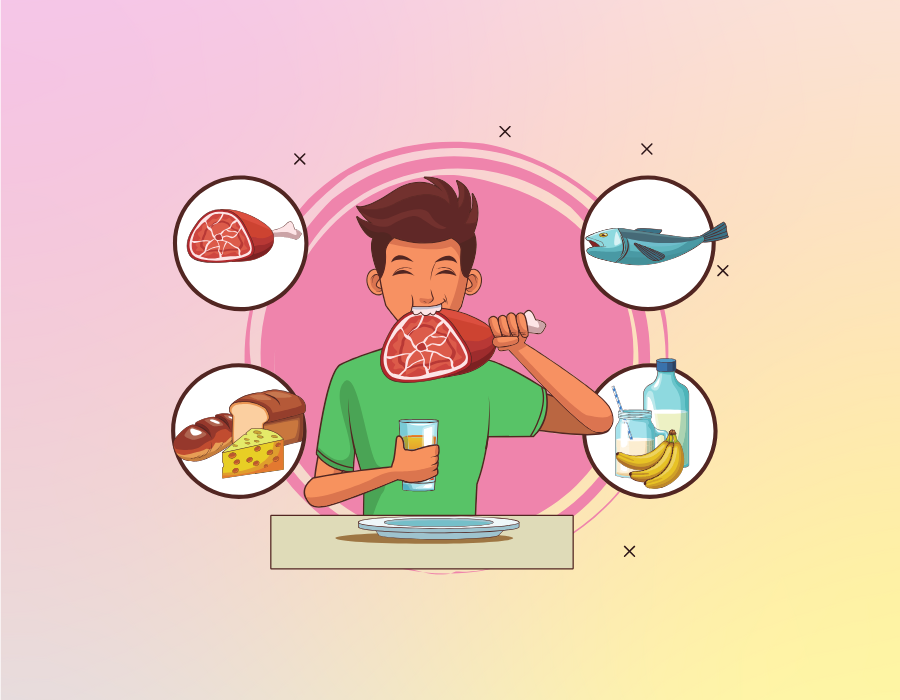
Therefore, in addition to replenishing carbohydrates, you can also consume high-quality protein sources such as chicken breast, salmon, skim milk, or low-sugar/sugar-free soy milk to increase satiety. If nutritional intake is timely and the quantities and ratios are appropriate, you can capitalize on this window to help maintain muscle mass and maximize repair and growth. It’s also important to note that consuming high-fat foods during this period can actually increase feelings of fatigue.
Additionally, if you lack the energy to prepare a meal immediately after exercising, the most convenient options are small snacks, raw vegetables, or fruits. For example, you could have 400ml of skim milk with a small piece of dark chocolate; for fruits, choose apples, which are rich in vitamins and dietary fiber—they are low in calories yet highly satiating; For vegetables, choose cucumbers, which are low in calories and extremely high in water content. They help prevent the body’s carbohydrates from converting into fat, allowing them to be absorbed and stored more effectively as energy, preparing you for the next round of calorie expenditure.
During weight loss, you need to consume plenty of water, along with certain vitamins to aid in the conversion of glucose into energy. This process can easily lead to the depletion and deficiency of vitamins C and B. Therefore, after exercising to lose weight, you should also eat plenty of foods rich in vitamins.
So, to achieve better weight loss results, you must eat sensibly after exercising. It’s important to understand that skipping meals or eating the wrong foods can lead to a vicious cycle of weight regain. Save this essential post-workout nutrition guide—have you started following it yet?


Leave a Reply
Want to join the discussion?Feel free to contribute!