
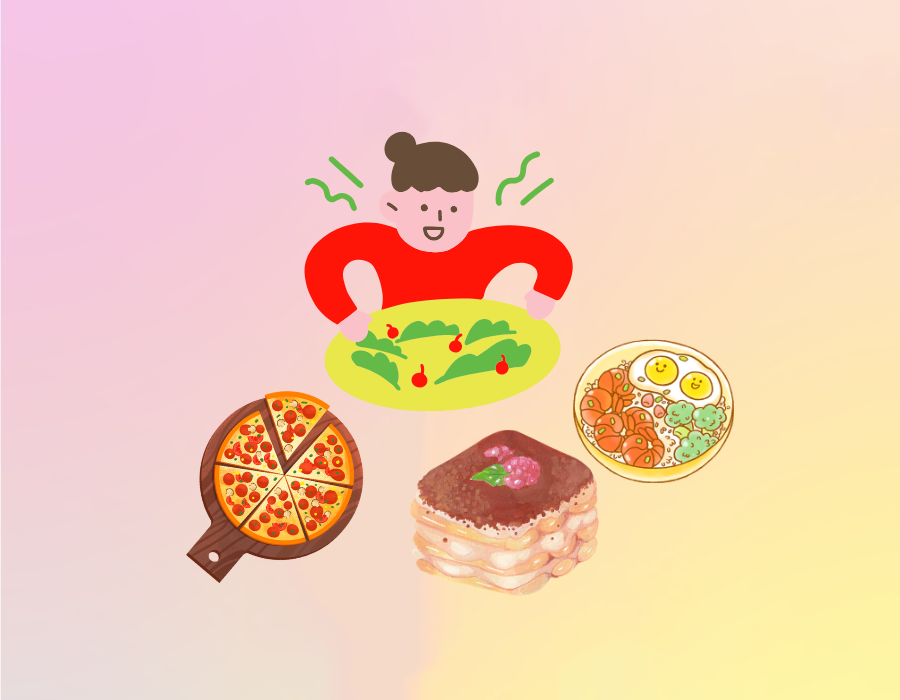
What to Do About Stomach Problems? You Need to Change These Habits!
If you have any queries or suggestions, please feel free to reach out via email to info@harisonfitness.com. We will do everything in our capacity to ensure that you love your experience with us.
If you’re suffering from stomach pain and don’t take it seriously—just popping a painkiller to get by—even a stomach made of steel wouldn’t be able to handle it! Take note of these bad eating habits that harm your stomach and take action now to prevent stomach problems!
01 Overeating
After going without food for a long time, it’s easy to wolf down food and stuff it into your mouth without restraint, but eating large amounts is a strain on the stomach. Overeating can lead to dizziness, lethargy, bloating, diarrhea, or constipation, and may even cause acute gastroenteritis; in severe cases, it can result in gastric bleeding. Therefore, try to avoid overeating and do not let yourself go too long without eating; leave about one-third of your stomach empty at each meal to allow for natural expansion and peristalsis.
02 Overprocessing of Ingredients
It must be acknowledged that the various seasonings, additives, and refined foods found in modern diets make meals more appetizing and increase our desire to eat. However, these overly processed foods are not necessarily healthy, and they are particularly unsuitable for people with suboptimal health or those who are trying to lose weight or reduce body fat, as they can place a certain burden on the stomach.
People often believe that foods like plain congee or noodles simmered for a long time are easy to digest and suitable for when one has no appetite, but they do not actually nourish the stomach. On the contrary, most people with stomach ailments should limit their intake of beverages and foods like rice soaked in soup. The principle of “use it or lose it” applies here: consuming these foods over the long term can actually cause the stomach’s digestive capacity to deteriorate.
Take pickled foods, for example. They contain high concentrations of salt, and excessive consumption or improper preparation can damage the gastrointestinal mucosa, leading to gastric mucosal congestion, edema, and a higher incidence of gastrointestinal inflammation and gastric ulcers. More seriously, the nitrite content in pickled foods may exceed safety limits, potentially leading to stomach cancer. Therefore, it is still recommended to focus on consuming fresh foods.
03 Skipping breakfast and having a taste for spicy food
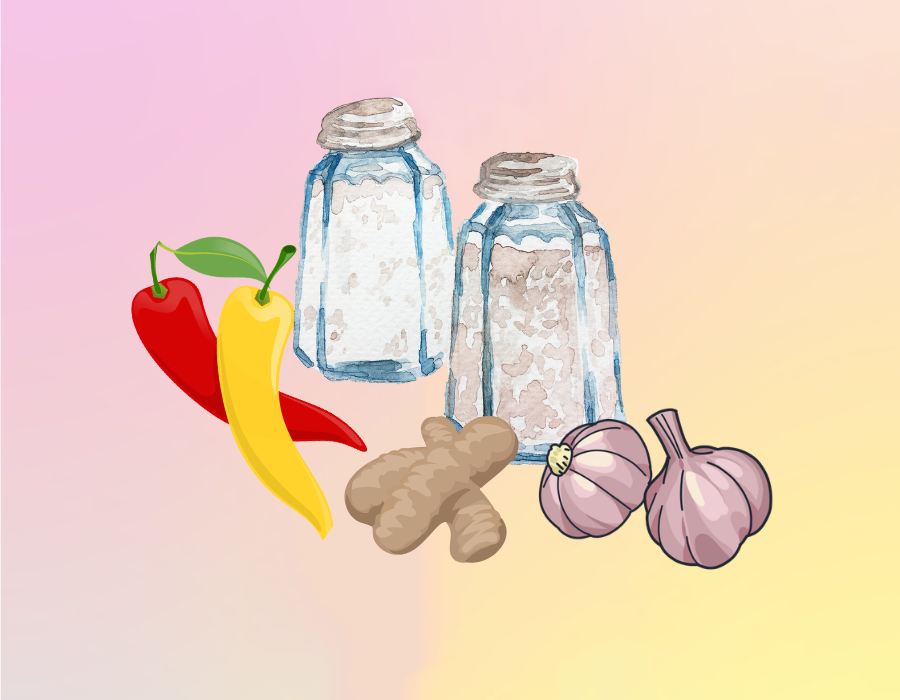
Office workers who frequently rely on takeout for their meals should be aware that, due to cost considerations, the nutritional balance of takeout meals is often unscientific. The use of oil, salt, and other seasonings is typically unhealthy, resulting in food that is greasy and salty. Eating too much of this can easily lead to loss of appetite and indigestion. Those who prefer strong flavors—even opting for spicy foods as late-night snacks—should also be cautious. If meals contain large amounts of chili peppers, black pepper, ginger, or garlic, they can irritate the stomach, leading to congestion and swelling of the gastric mucosa, as well as erosion and acute gastritis.
Some people are also picky eaters who avoid fruits and vegetables. It’s important to know that regularly consuming vegetables and foods rich in dietary fiber helps maintain a healthy gut microbiome, promotes intestinal motility, effectively treats constipation, and helps eliminate toxins from the intestines. Additionally, those with sensitive stomachs should avoid eating extremely hot food too quickly, as this can directly damage the mucous membranes of the esophagus and stomach.
After a night’s sleep, the food consumed the previous day has been almost completely digested. Skipping breakfast leaves the stomach empty all morning, yet the stomach continues to contract as usual; the gastric acid secreted during this time can damage the stomach lining.
04 Neglecting Public Health
Failing to use serving chopsticks when dining with others provides pathogens like Helicobacter pylori with a perfect opportunity to spread rapidly. Good public health practices—such as serving food individually, washing hands regularly, avoiding meals in dirty or unsanitary environments, and maintaining clean eating habits—can help prevent this.
“Stomach ailments” start in the mouth, but people have the power to take control. If you don’t take your eating habits seriously, don’t blame your stomach for giving you trouble!


Leave a Reply
Want to join the discussion?Feel free to contribute!