
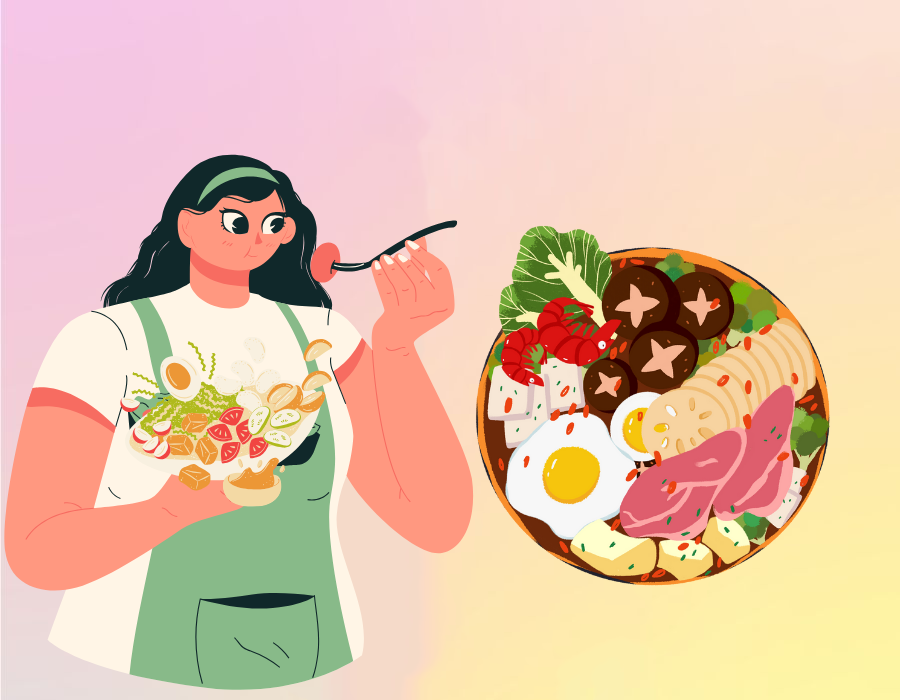
A balanced diet is the true path to wellness!
If you have any queries or suggestions, please feel free to reach out via email to info@harisonfitness.com. We will do everything in our capacity to ensure that you love your experience with us.
The Spring Festival celebrations don’t truly end until after the Lantern Festival. During the holiday season, family feasts and gatherings follow one after another, with an abundance of chicken, duck, fish, meat, desserts, and snacks. It’s easy to fall into a cycle of overindulgence. After the holidays, mild symptoms may include bloating and indigestion, while more severe consequences can be rapid weight gain and gastrointestinal discomfort. In reality, eating well during the New Year doesn’t mean eating excessively. By mastering practical tips on “what to eat and how to eat,” you can savor festive flavors while maintaining your health. Keep this guide to sensible holiday eating handy.
01 Balance your meals and reduce heavy oils and salt.
To eat sensibly, first adhere to dietary principles and avoid blindly showing off meals. Keep these three key points in mind: balanced combinations, eating until 70% full, and reducing heavy oils and salt. Holiday meals often become unbalanced, typically featuring excessive meat and insufficient vegetables. Aim for a ratio of “1 meat, 2 vegetables, 1 staple food” per meal. For meat dishes, prioritize lean cuts like steamed, boiled, or lightly braised pork, fish, shrimp, chicken, or duck. Reduce intake of red-cooked, fried, or braised meats. as these dishes contain excessive fat and salt, which can strain the digestive system and blood vessels when consumed in excess over time. For grains, diversify beyond refined rice and wheat flour by incorporating whole grains, corn, sweet potatoes, and other options. This boosts dietary fiber intake, slows blood sugar spikes, and enhances satiety.
02 Master the Proper Way to Eat
Master the “right way to eat” and let your stomach enjoy the holidays stress-free. Many people tend to start with meat dishes and drinks before moving on to vegetables and staples during gatherings, a sequence that easily leads to overeating. The proper sequence is: Start with a bowl of light soup (like winter melon or mushroom soup) to awaken your digestive system. Then eat vegetables to replenish dietary fiber and prepare your stomach. Next, enjoy meat dishes for moderate intake of high-quality protein. Finally, finish with grains to wrap up the meal and satisfy your hunger. This order effectively controls portion sizes, prevents irritation from eating greasy foods on an empty stomach, and reduces indigestion and bloating.
Mastering the details of “how to eat” helps avoid hidden health pitfalls. First, control eating speed. Avoid wolfing down food during gatherings. Chewing slowly and thoroughly allows you to savor flavors while giving your brain sufficient signals of fullness. Aim for 20-30 chews per mouthful to prevent overeating. Second, avoid “seamless” snacking. Many people keep snacks within reach during the holidays, immediately reaching for candies, nuts, or pastries after meals, leading to excessive calorie intake. It’s advisable to maintain a 3-4 hour gap between meals. Opt for plain nuts or fresh fruit as snacks, controlling portion sizes each time to avoid overindulging in sweets or fried treats.
03 Pay attention to balancing diet and sleep patterns.
Also pay attention to pairing beverages with your schedule to support balanced eating. During the holiday season, minimize consumption of sugary drinks, strong tea, and high-proof spirits. Sugary beverages can lead to weight gain and blood sugar fluctuations, strong tea may impair nutrient absorption, and high-proof spirits can irritate the stomach and liver. Opt instead for plain water, lightly brewed tea, or porridge made from whole grains. Additionally, avoid staying up late, as it disrupts digestive rhythms and exacerbates indigestion. Maintaining a regular sleep schedule is essential for keeping your digestive system functioning properly.
The true meaning of the New Year lies in family reunions and heartwarming feasts, not in overindulgence that compromises health. Balanced eating isn’t about deprivation; it’s about savoring delicious food while practicing moderation, balance, and scientific eating habits. May everyone enjoy the festive season with good food and drink while safeguarding their health. Experience the warmth of the New Year celebrations with a light, comfortable body, and kick off the new year in a healthy, vibrant state.


Leave a Reply
Want to join the discussion?Feel free to contribute!