
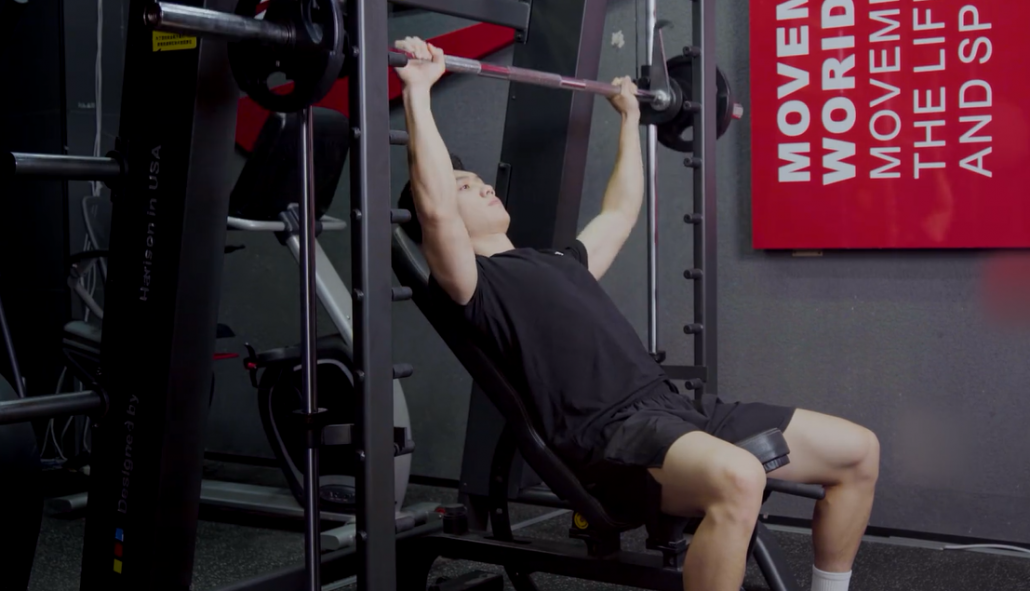
Core Chest Exercise: Chest Fly – The Key to Building Full, Rounded Pectorals
If you have any queries or suggestions, please feel free to reach out via email to info@harisonfitness.com. We will do everything in our capacity to ensure that you love your experience with us.
The chest fly is one of the core foundational exercises for chest training. Its primary movement logic involves the upper arms moving forward from behind, targeting the pectoral muscles while also engaging the anterior deltoids. The bench fly serves as its fundamental form, with variations like the butterfly machine fly and the cable fly evolving from it. Mastering the fundamentals of the chest fly can significantly enhance the contraction sensation in the chest muscles and improve sculpting results.
01. Supine Flying Bird: The go-to exercise for beginners to master chest squeezes
The Flying Bird exercise derives its name from the wing-flapping motion of the arms, making it the most accessible foundational chest-pressing movement. Its step-by-step breakdown is clear, and the force application is precise.
1. Starting Position: Lie flat on your back, chest lifted, shoulder blades naturally retracted to establish a foundation for chest muscle engagement.
2. Starting Position: Grasp dumbbells with hands, arms extended naturally, elbows slightly bent—never lock them straight.
3. Core Activation: Engage your chest as the power source, palms facing each other. Pull hands toward the center, feeling the pectoral muscles contract. Slowly return to starting position, maintaining a steady pace throughout.
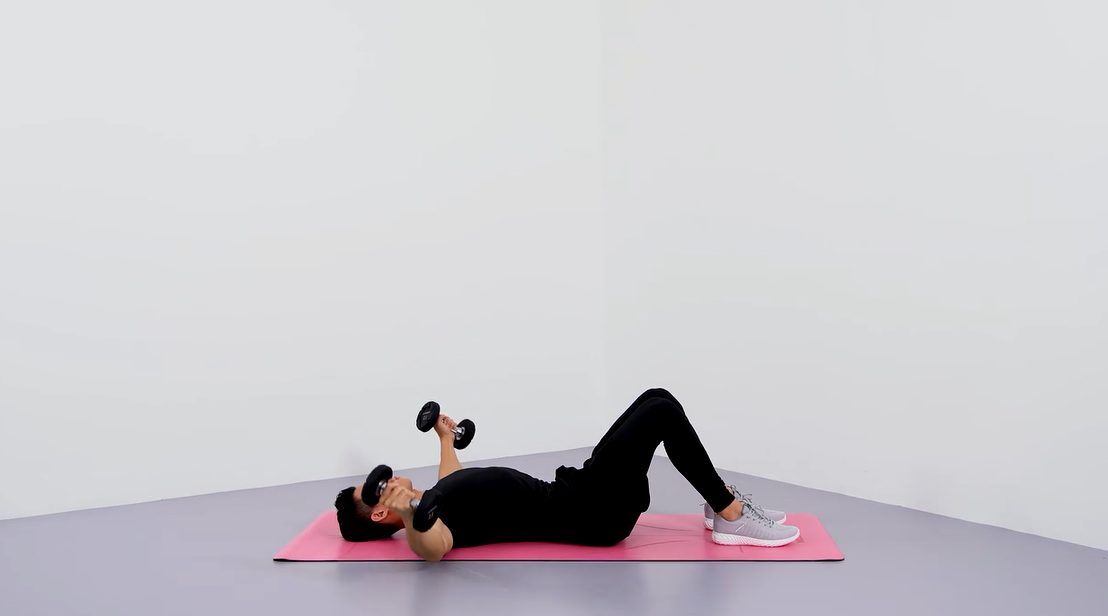
02 Key Points for the Lying Fly Exercise
To maximize the effectiveness of the lying dumbbell fly exercise while avoiding joint injuries, strict adherence to movement details is essential. The core focus revolves around the elbow joints and range of motion.
1. Keep elbows naturally flared outward. Avoid pinching elbows together to generate force, as this may lead to insufficient pectoral muscle activation.
2. Maintain a slight bend in both elbows throughout the movement. Perform the exercise solely through shoulder joint action, excluding elbow joint involvement to reduce joint stress.
3. Control the range of motion. When lowering the weights, avoid excessive descent. Stop when a natural stretch is felt in the chest muscles to prevent shoulder joint compression.
03Incline/Decline Bench Variations: Incline Bench / Decline Bench
Flat bench flyes focus on overall chest sculpting. Using an incline or decline bench for flyes allows for precise targeting of specific chest areas, catering to diverse sculpting needs. The incline bench flye targets the upper pectoral muscles more effectively, making it ideal for building upper chest mass. The decline bench flye, on the other hand, focuses on developing the lower pectoral muscles, helping to sculpt the lower chest line and create a fuller, more balanced chest shape. The execution technique remains consistent with the flat bench flye; only the training equipment needs to be adjusted.
04 Butterfly Machine + Gantry Frame, Enhanced Power Generation in the Pull Phase
After mastering the basic supine fly, you can try fixed-machine and gantry-style chest flys to reduce compensatory movements and further enhance pectoral muscle contraction tension. Both variations adhere to the core principle that “the closing position determines the training focus.”
1. Butterfly Machine Chest Fly: Utilizing fixed equipment allows for easier focus on the chest muscles. Seat height determines the targeted area: – A higher seat position brings hands together below the chest, emphasizing the lower chest. – A lower seat position brings hands together higher up, primarily targeting the upper chest.
2. Cable Chest Fly: Offers greater flexibility, maintaining continuous tension on the chest muscles. Bringing hands together higher targets the upper chest, while a lower position stimulates the lower chest. This is a common chest-strengthening exercise in gyms.
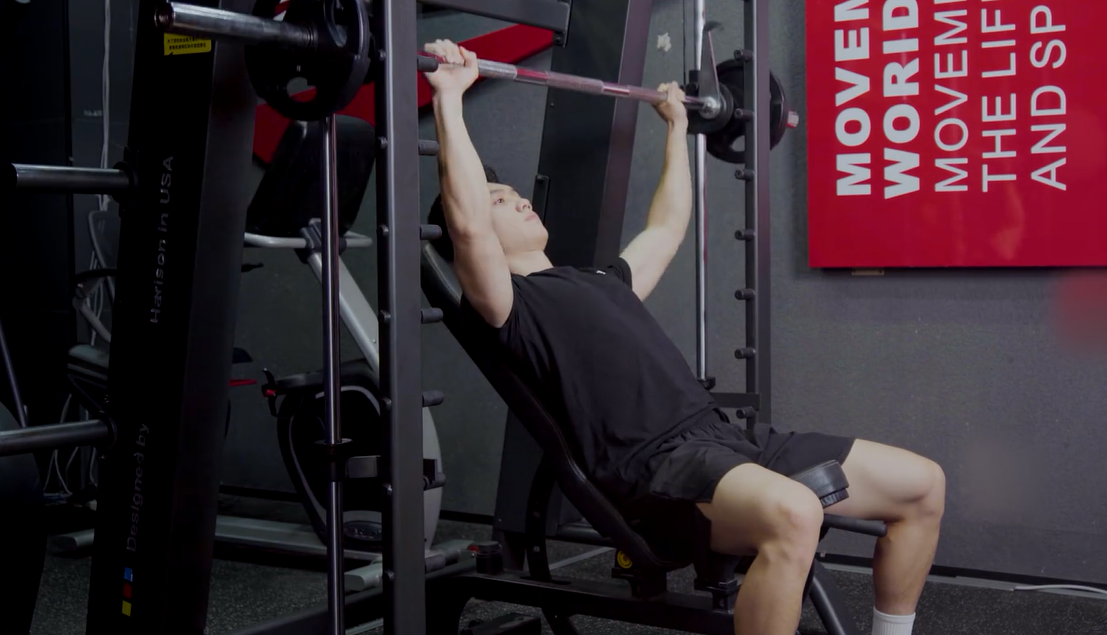
Regardless of the chest fly variation chosen—whether incline dumbbell flyes, cable chest flyes, or cable pulley chest flyes—one universal principle remains inviolable: Maintain a constant slight bend in the elbows throughout the entire movement. The arm opening and closing motion should be performed solely through the shoulder joints, with the elbow joints never engaging in the effort. Only by adhering to this principle can the chest muscles become the true primary movers, preventing compensation and ensuring training effectiveness. To maximize efficiency in chest fly exercises, understand the synergistic muscle logic: the pectoralis major and latissimus dorsi are opposing muscle pairs. Contraction of the pectoralis major pulls the arms forward, while contraction of the latissimus dorsi pulls them backward.


Leave a Reply
Want to join the discussion?Feel free to contribute!