
How should daily life be managed after a femoral shaft fracture?
If you have any queries or suggestions, please feel free to reach out via email to info@harisonfitness.com. We will do everything in our capacity to ensure that you love your experience with us.
A fracture of the femur not only causes severe pain but also disrupts normal daily life and work. In particular, if postoperative care is not managed with care, it can slow down the recovery process. So, how should patients with this condition manage their daily lives?
01 Daily Life Management Following a Fracture of the Tibia
1. Dietary Guidelines
Patients with femoral shaft fractures should regularly consume foods rich in calcium, high-quality protein, and vitamins—such as milk, nuts, mushrooms, seafood, and various fruits—to aid in bone healing.
In addition to consuming foods that are beneficial to the body, there are certain dietary restrictions to observe, and some foods should be consumed in moderation. For example, highly greasy foods should be avoided, as excessive consumption not only leads to weight gain and increases the body’s burden but also contributes to constipation, causing additional discomfort. Furthermore, patients should avoid spicy foods and abstain from smoking and alcohol, as these measures will facilitate a smoother recovery.
2. Lifestyle Considerations
Patients with femoral shaft fractures should prioritize rest, avoid staying up late, and ensure adequate sleep to allow the body to recuperate properly. This will facilitate faster healing of the fracture site.
3. Maintaining a Positive Mindset
Patients required to rest in bed will inevitably feel bored. It is essential to keep yourself in good spirits and maintain an optimistic and cheerful outlook. Do not allow yourself to become consumed by sadness and pain. Otherwise, not only will this fail to promote healing, but it may also lead to deep-seated gloom and potentially trigger depression.
4. Engage in Appropriate Exercise
During the later stages of fracture healing, patients may engage in moderate physical activity, but only at a level they can comfortably manage. It is best to follow scientifically sound exercise methods rather than simply exercising based on personal preference. Furthermore, before the fracture has fully healed, avoid movements that involve raising the leg too high, as this can not only hinder recovery but also potentially cause secondary injuries.
02 How to Exercise Scientifically
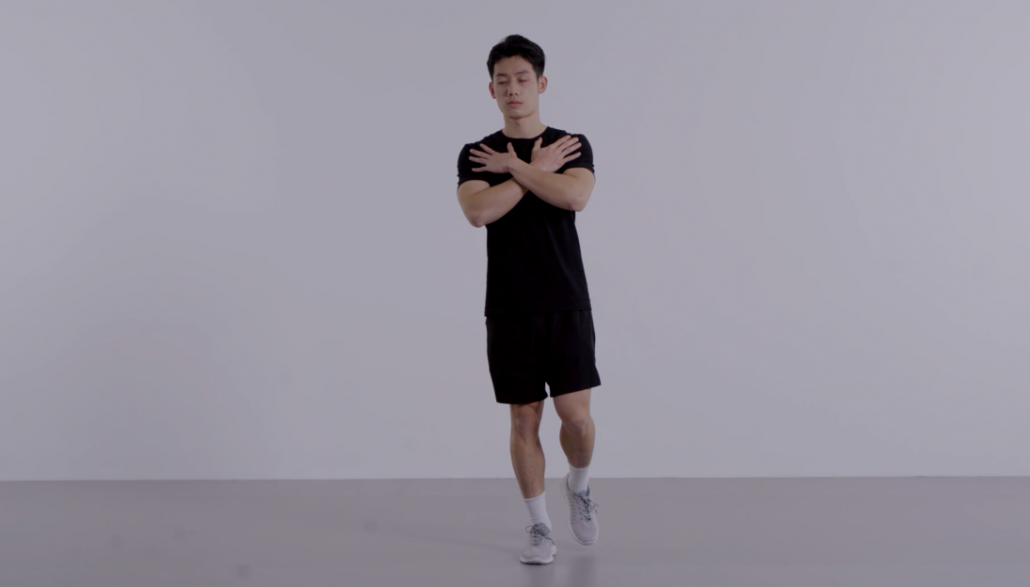
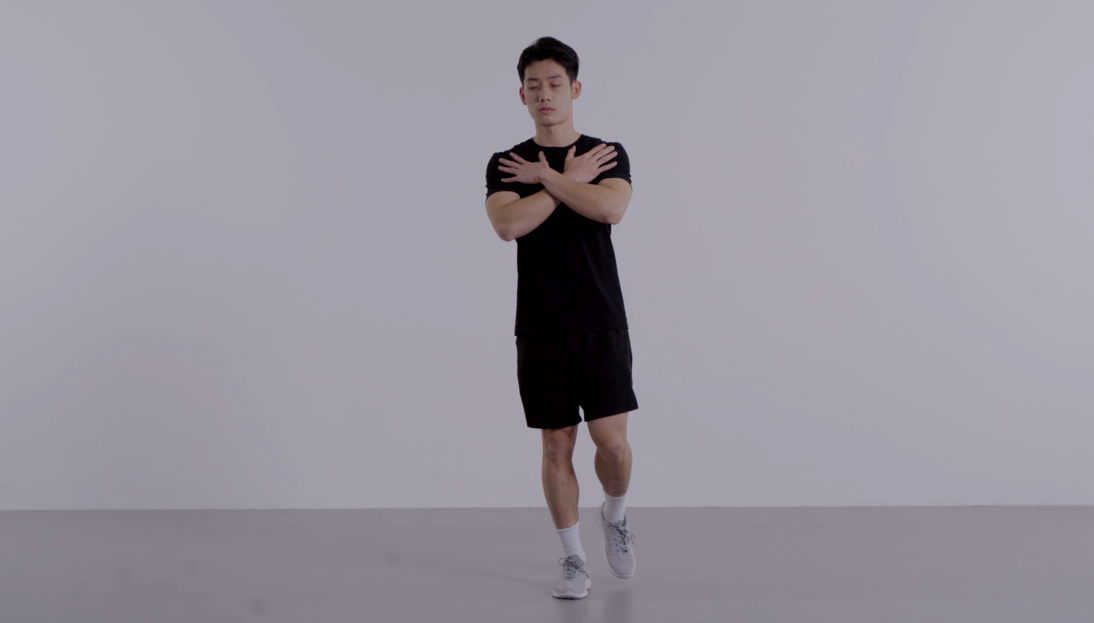
Exercise 1: Standing on One Leg with Eyes Closed
Key Points: Stand with your arms crossed over your chest, palms facing out and pressed against your body. Stand on the affected leg, while lifting the calf of the unaffected leg backward with the toes pointing down, keeping a slight distance from the ground. Close your eyes, breathe evenly, and maintain stability. Repeat this exercise for 20 seconds.
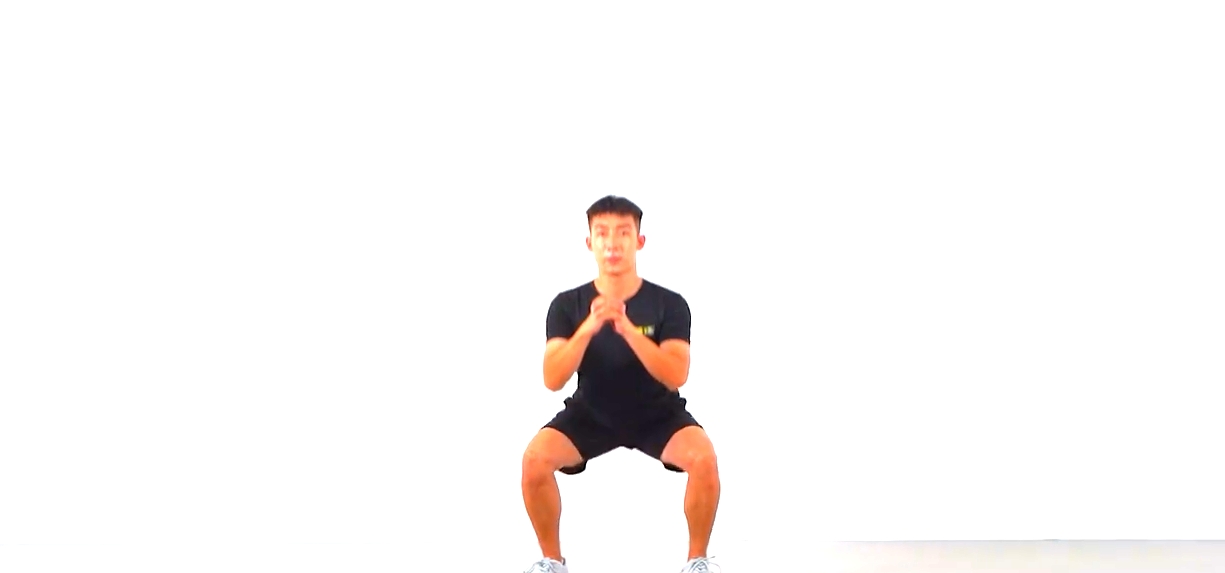
Exercise 2: Squats
Key Points: Stand with your upper body upright and arms crossed over your chest. Place your feet shoulder-width apart. Slowly lower yourself into a squat, then stand back up. Throughout the movement, keep your knees aligned with your toes. As you squat down, pay attention to how your body feels. If you experience mild discomfort, you may continue. If the pain in the affected area is severe, adjust your posture and intensity. Repeat this exercise, performing 3 sets of 8 repetitions each.
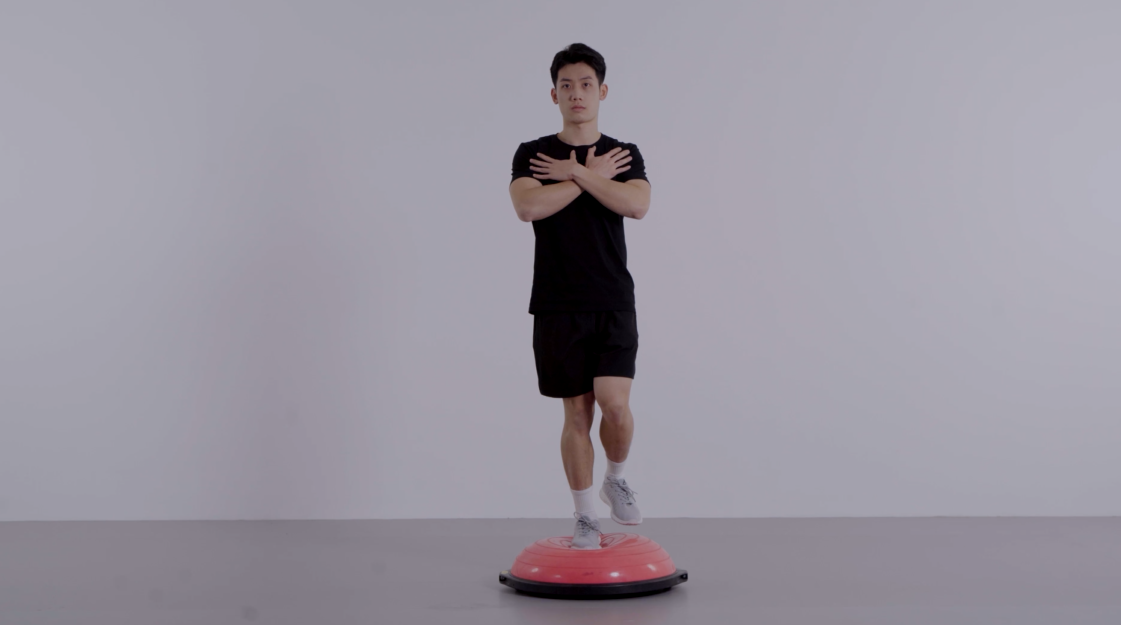
Exercise 3: One-Legged Stand on a Speed Ball
Key Points: Stand upright with your upper body straight and your arms crossed naturally in front of your chest. Stand on the stability ball with one leg, extending the other leg’s lower leg backward with the toes pointing down. Breathe evenly and maintain stability. If you don’t have a stability ball, you can stand on a thick pillow, but be careful to ensure safety. Repeat this exercise for 10 seconds.
These three exercises can improve lower-body joint stability, restore function, and increase overall strength. However, they should be performed 40 minutes after a meal, 2 or 3 times a day.


Leave a Reply
Want to join the discussion?Feel free to contribute!