
How to Prevent Humerus Shaft Fractures and Promote Recovery After Surgery
If you have any queries or suggestions, please feel free to reach out via email to info@harisonfitness.com. We will do everything in our capacity to ensure that you love your experience with us.
The humerus shaft is a vital component of our arm, serving both as a structural support and a power generator. A healthy humerus shaft ensures the ability to perform daily activities and labor.
In daily life, this bone may sustain accidental fractures due to lifting excessively heavy objects, impact from heavy blows, landing on this area during falls, or even in throwing athletes. So, how can we prevent this issue?
01 How to Prevent Humerus Shaft Fractures
To prevent fractures of the humeral shaft, the solution is actually quite simple: avoid subjecting this area to heavy impacts, refrain from lifting weights beyond your physical capacity, and especially avoid landing on this part of the body during falls. Additionally, for throwing athletes—such as shot putters, javelin throwers, or basketball and soccer players—it’s crucial to not only warm up thoroughly before competition but also wear specialized protective gear. This provides better safeguarding against the pain of fractures.
02 Managing Daily Life After a Fracture
1. Dietary Considerations
Following a humeral shaft fracture, special attention must be paid to dietary habits. Prioritize foods rich in protein and vitamins, as these not only replenish essential nutrients but also promote bone healing. Avoid spicy or irritating foods, as they may aggravate the wound and hinder recovery. If the patient has habits like smoking or excessive drinking, these should be avoided during this period. Not only can they irritate the affected area, but the patient may also be taking antibiotics or other medications due to the injury. Medication safety must be prioritized during this time.
2. Lifestyle Management
Patients with humerus fractures should cultivate scientifically sound habits, including maintaining a regular sleep schedule with early bedtimes and wake-up times. Adequate rest facilitates recovery. Supplementing with vitamin D or calcium, combined with moderate sun exposure, supports healing at the injury site.
3. Psychological Aspects
Suddenly losing the use of one’s arm is profoundly distressing. Beyond physical pain, patients endure significant psychological strain. Therefore, maintaining a positive mindset is crucial. Stay optimistic and cheerful—avoid negativity or self-pity, as these attitudes hinder healing.
03 Postoperative Recovery Exercises
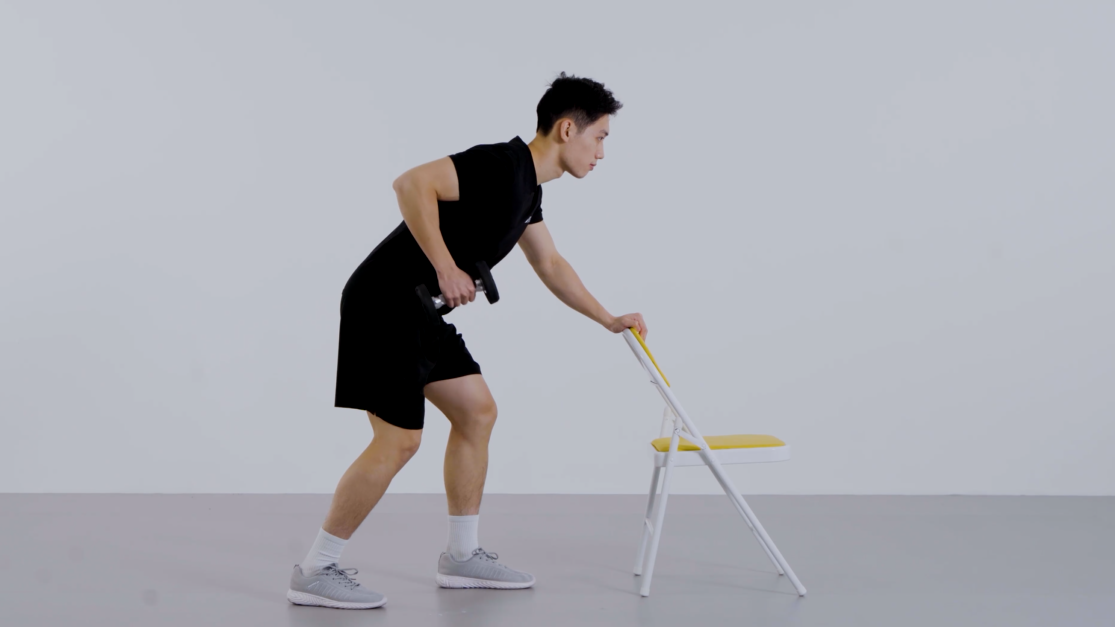
Exercise 1: Dumbbell Row
Key Points: Assume a bent-over position, supporting yourself with your healthy arm on a bench or table. Slightly bend forward to a comfortable angle. Hold the dumbbell with your affected arm, letting it hang naturally. Exhale as you pull the dumbbell backward, then inhale as you return to the starting position. Perform slowly without rushing, repeating continuously. Duration: Approximately 24 seconds. Perform 3 sets of this exercise, with each set consisting of 8 repetitions.
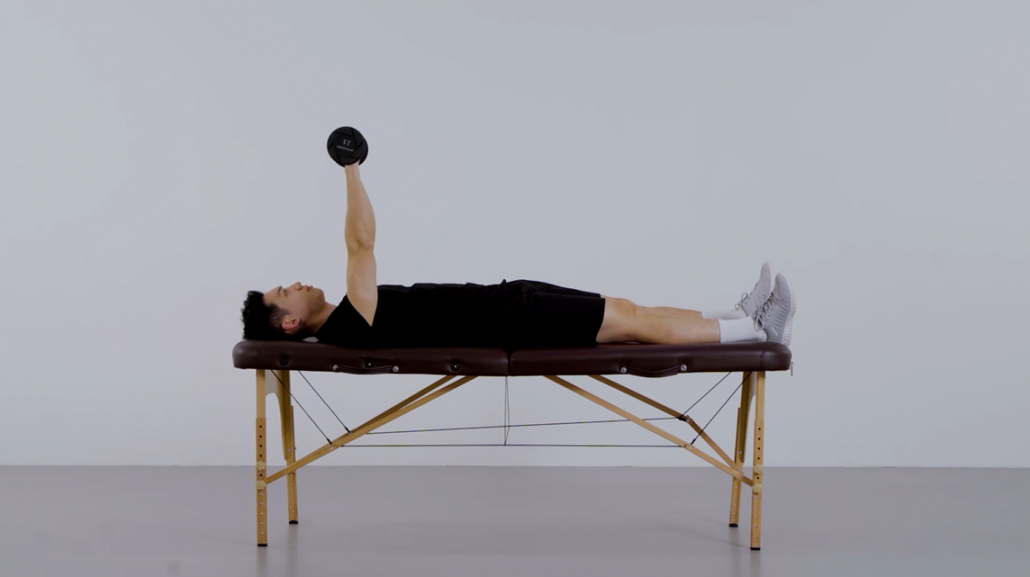
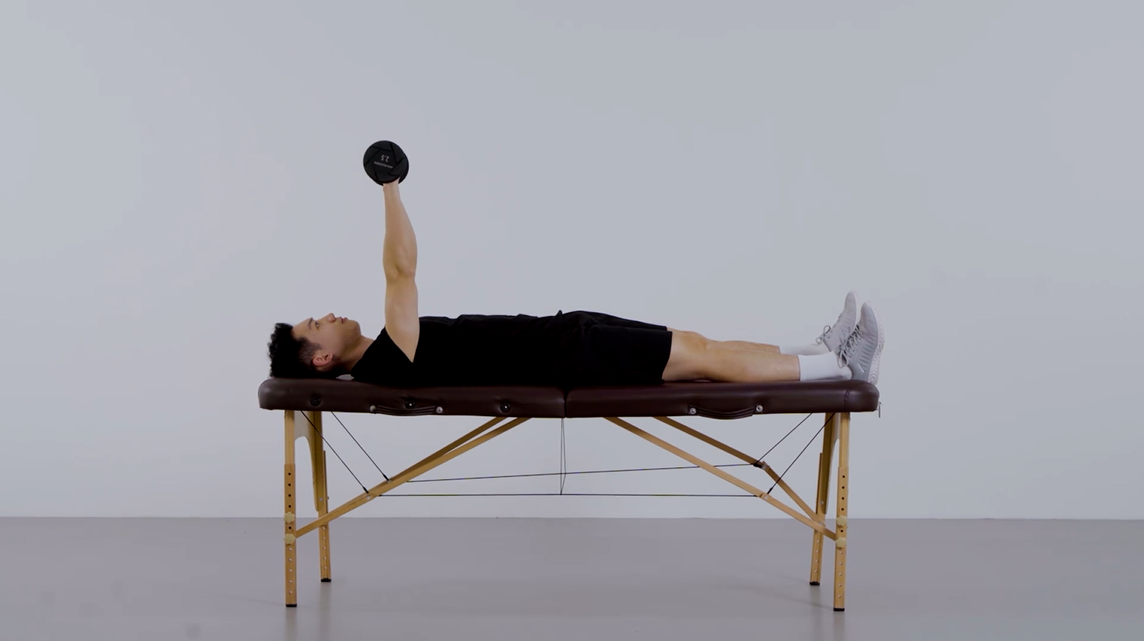
Exercise 2: Single-Arm Dumbbell Bench Press
Key Points: Lie supine (on your back), preferably on a bed. Place the healthy arm flat alongside your body. With the affected arm, grasp a dumbbell using one hand. Avoid using a weight that is too heavy, as this may cause strain. Slowly lift the dumbbell upward with one hand at a moderate pace. Push upward while exhaling and lower while inhaling. Repeat this motion. Each repetition should take about 10 seconds. Perform 2 sets of this exercise, with each set consisting of 5 repetitions.
These two exercises serve both training and recovery purposes. Perform them 2 to 3 times daily, approximately 40 minutes after meals. They effectively enhance upper limb joint stability, restore arm function, and improve overall strength.


Leave a Reply
Want to join the discussion?Feel free to contribute!