
In winter, favor warm and hot foods over cold and cool ones to cultivate a healthy digestive system.
If you have any queries or suggestions, please feel free to reach out via email to info@harisonfitness.com. We will do everything in our capacity to ensure that you love your experience with us.
Cold winter air can irritate the stomach and intestines, triggering various gastrointestinal disorders. Additionally, people tend to have heartier appetites in winter, often consuming excessive amounts of high-fat, high-cholesterol, and high-calorie foods. This increases the burden on the digestive system, leading to indigestion, abdominal pain, and bloating. Therefore, winter stomach care should prioritize protection against the cold first, followed by dietary adjustments.
01 Winter Dietary Guidelines
1. Consume more warming foods. Lamb, beef, chicken, chestnuts, longan, and red dates can all warm and nourish the stomach, enhancing the body’s resistance to cold and disease.
2. Ensure adequate calorie intake. Fats and carbohydrates provide ample energy to combat the cold. However, fat consumption should be moderated to prevent accumulation and digestive strain. Eggs, lean meats, fish, beans, and dairy products are low in fat yet rich in protein, making them excellent choices for stomach health.
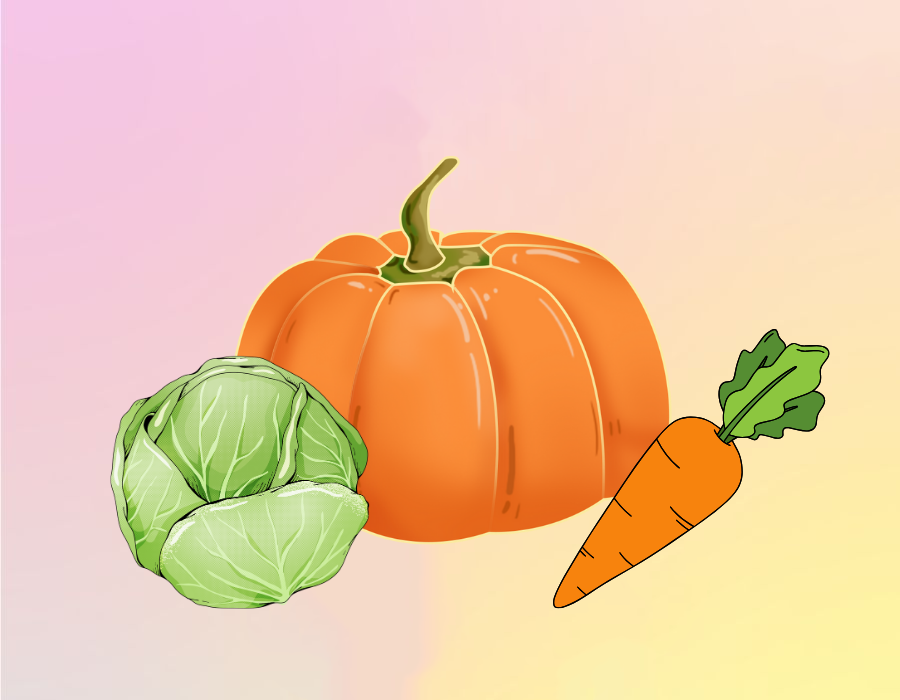
3. Supplement vitamins. During severe winter cold, vitamin metabolism accelerates, necessitating timely replenishment. Vitamin A enhances the digestive system’s resistance to cold, while vitamin C improves its adaptability to cold conditions. Increase intake of foods like carrots, liver, pumpkin, cabbage, rapeseed greens, and mung bean sprouts.
02 Winter Benefits of Eating These Foods
Silver ear mushrooms are rich in natural gelatinous substances, offering nourishment without cloying heaviness. Their moisturizing properties make them ideal for autumn and winter consumption, helping to nourish yin, clear heat, reduce dryness, tonify the spleen, boost qi, and cleanse the intestines.
Lily Bulbs
Lily bulbs possess a mildly warming and moisturizing nature, rich in biotin, colchicine, and various other nutrients. They offer excellent nutritional and restorative benefits, particularly for post-illness weakness and neurasthenia. As bronchial conditions are common in autumn, lily bulbs—with their ability to warm, nourish, and moisten dryness—can help alleviate symptoms by moistening the lungs, relieving coughs, calming the mind, and soothing the spirit.
Red Dates
Red dates are rich in cyclic adenosine monophosphate (cAMP), which regulates metabolism, promotes rapid cell regeneration, and enhances bone marrow hematopoiesis to increase red blood cell counts. They also fortify the stomach and spleen, nourish the heart and lungs, and tonify the five vital organs, making them highly effective for treating deficiency syndromes. Consuming more red dates in winter is advisable.
Yellow-Red Fruits
Unlike spring and summer, winter calls for consuming more warming fruits to help the body withstand the cold. Fruits suitable for winter consumption are predominantly yellow or red in color. Yellow fruits contain abundant carotenoids with antioxidant and other physiological activities, such as citrus fruits, mangoes, and persimmons rich in beta-carotene, as well as papayas, watermelons, red-fleshed guavas, and red pomelos containing lycopene. Red fruits like mulberries, purple grapes, blueberries, and strawberries contain anthocyanins—another antioxidant that neutralizes free radicals and slows aging. Beyond this, they share a warming nature, making them ideal for winter consumption. However, due to their warming properties, moderation is key to avoid overheating the body.

03A positive attitude is a great way to prevent and treat gastrointestinal disorders.
Research indicates that gastric and duodenal ulcers are closely linked to psychological and emotional states. Excessive worry, sadness, fear, tension, and anger can all trigger gastrointestinal disorders. Therefore, maintaining a cheerful and optimistic mindset is crucial in preventing and treating such conditions. Avoid negative influences like anxiety, fear, tension, and grief. Additionally, balance work with rest to prevent excessive fatigue, which hinders recovery from gastric ailments.
Because the stomach lies close to the abdominal wall without muscle or fat layers to insulate it, it is susceptible to “cold.” Therefore, during winter, it is important to keep warm, minimize cold foods, and consume more warming foods. This approach helps nourish the digestive system, strengthen the body, and promote metabolism.


Leave a Reply
Want to join the discussion?Feel free to contribute!