
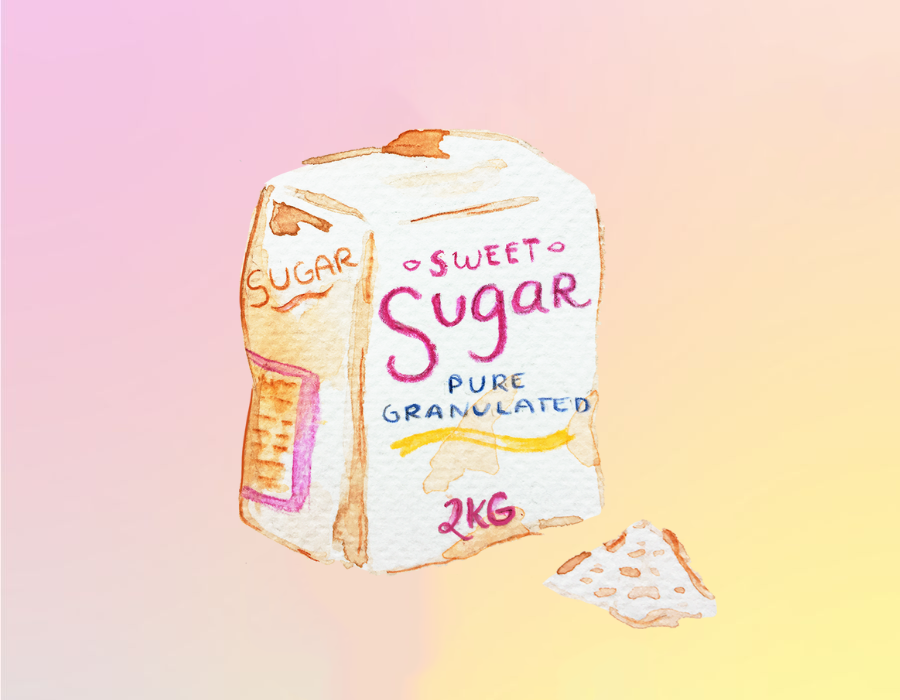
The era of sugar detox is here—what dangers does daily sugar consumption bring?
If you have any queries or suggestions, please feel free to reach out via email to info@harisonfitness.com. We will do everything in our capacity to ensure that you love your experience with us.
Sugar, a ubiquitous ingredient in our daily lives, isn’t just found in familiar high-sugar foods like cakes, bubble tea, and desserts. The sugar content in snacks, beverages, and instant drinks is also significant. Sugar seems to permeate our world. We crave sweetness because it activates dopamine neurons in the brain, triggering feelings of excitement. However, excessive sugar not only fuels addiction but also jeopardizes health. Therefore, cutting back on sugar is imperative.
01 What Is Sugar Detox?
When cutting back on sugar, the focus should be on free sugars. The most notable characteristic of these sugars is their uneven distribution in foods, leading to excessive intake of “empty calories” through consumption. Free sugars include common white sugar, rock sugar, brown sugar, golden sugar, black sugar, maltose, as well as naturally occurring sugars in honey, syrups, fruit juices, and concentrated fruit juices. However, it does not include sugars found in fresh fruits, lactose in milk, or starches present in grains and tubers.
The correct approach to sugar reduction is to enjoy the pleasure sugar provides in a regulated manner, minimize the intake of “free sugars” in our diet, control the consumption and sources of rapidly digestible carbohydrates, and avoid unhealthy sugars or excessive sugar intake.
02 Why Quit Sugar
The concept we need to grasp is: Quitting sugar ≠ Banning sugar. Quitting sugar does not mean completely eliminating sugar from your diet, nor does it mean giving up sweets, refined grains, or carbohydrates. Instead, it involves reducing intake of free sugars and starches found in processed foods, while choosing to consume sugars and starches from fruits and vegetables, along with other foods rich in oligosaccharides and dietary fiber. Adults should limit daily sugar intake to no more than 50 grams, ideally around 25 grams. Long-term excessive consumption of sugars—especially unhealthy types like free sugars and processed added sugars/starches—can easily lead to heart disease, hypertension, atherosclerosis, stroke, and diabetes.
When sugars containing nucleotides and glucose are heated together, they can produce brown substances in the skin. As collagen in the dermis undergoes glycation, the elasticity of collagen fibers decreases, leading to skin laxity. Furthermore, excessive sugar intake stimulates increased androgen levels in the body, boosting sebum production and thereby raising the likelihood of acne formation.
03 What’s the point of cutting out sugar?
1. Aids in Weight Loss
Since sugars contain relatively high calories, reducing high-sugar foods like bubble tea and cakes in daily life significantly lowers caloric intake, thereby helping achieve weight loss goals.
At the same time, whether for weight loss or healthier living, it’s advisable not to completely eliminate rice and wheat from your diet. Instead, consume them in moderation or substitute with whole grains. Opt for fruits with lower natural sugar content to meet your body’s energy needs, preventing symptoms like fatigue and muscle soreness.
2. Improve Skin Health
Excessive sugar intake can negatively impact skin condition, potentially leading to internal pigment deposition and the formation of dark spots. When you eliminate or reduce free sugar consumption, you’ll notice your skin becoming more translucent and radiant—a sign that the aging process is slowing down.

3. Prevent Vascular Diseases
Studies reveal that long-term sugar consumption significantly increases risks of hypertension, vascular hardening, cerebral hemorrhage, and even heart disease. This occurs because sugar converts into triglycerides and cholesterol within the body. Excessive intake leads to accumulation in blood vessels, potentially causing blockages.
While sugar reduction offers numerous benefits, it’s unwise to ban all sugary foods outright. Severe sugar deprivation triggers the body to convert proteins and fats into energy sources. However, this abnormal metabolic process may disrupt nutrient balance and increase metabolic strain. Therefore, sugar reduction should be tailored to individual circumstances—neither too rapid nor excessive.


Leave a Reply
Want to join the discussion?Feel free to contribute!