
The Key to Healthy Eating: Consuming Quality Protein
If you have any queries or suggestions, please feel free to reach out via email to info@harisonfitness.com. We will do everything in our capacity to ensure that you love your experience with us.
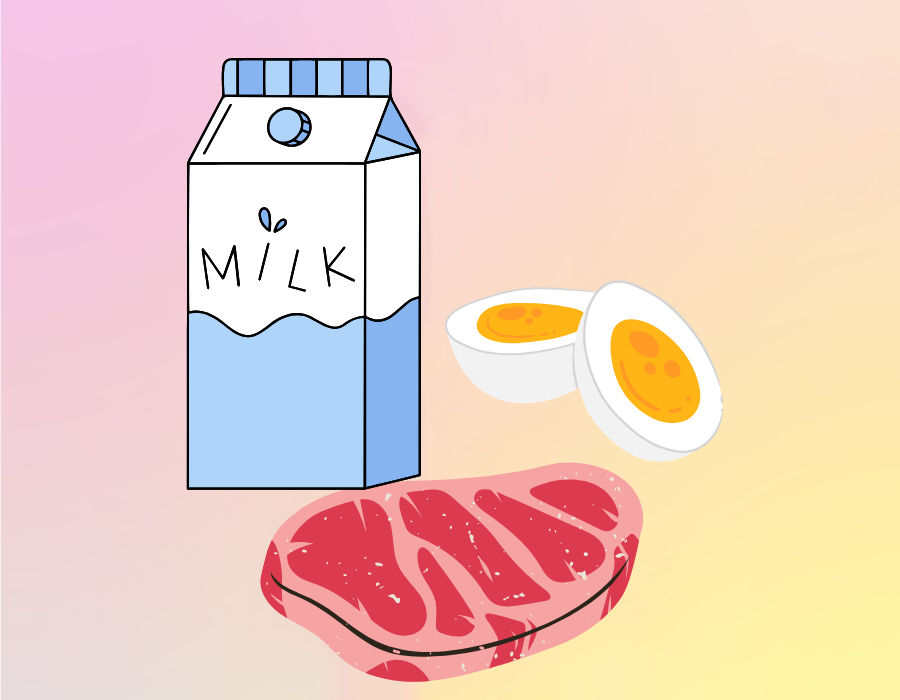
Protein accounts for 16%-20% of human body weight and serves as the primary building block for constructing and maintaining various bodily tissues such as muscles, skin, and blood. It sustains the normal functioning of all organs and tissues, providing robust support for our bodily functions. Meat, eggs, and dairy products are rich in protein. Given the dietary shifts over the past decade or so, has this approach been effective?
01Protein-rich diets enhance physical fitness.
With the widespread availability of meat, eggs, and dairy, it’s clear that children today are significantly taller than their peers from the 1970s and 1980s. This is largely due to our increased emphasis on the importance of protein.
02Protein plays a significant role in adolescent development.
From childhood to adolescence, protein plays a crucial role throughout the growth and development stages. Protein not only significantly impacts height and physical stature but also plays a vital role in brain development. In the human brain, protein accounts for one-third of its composition, and only by ensuring adequate protein intake can we support sound mental development. Moreover, during the developmental phase, protein promotes collagen synthesis in the body and actively regulates hormone levels and acid-base balance.
Within the body’s daily energy requirements, protein demonstrates a selfless dedication, burning itself to provide timely energy for daily needs. Each gram of protein contains only 4 kcal—far lower than fat and comparable to carbohydrates. Therefore, our caloric intake should ideally consist of 40% carbohydrates, 40% protein, and 20% fat.
03 Protein Boosts Human Immunity
Protein is a key factor in boosting the human immune system. Components like white blood cells, lymphocytes, and antibodies all rely on protein support. These cells are crucial for our body’s defense against disease. If protein intake is insufficient, immunity can plummet dramatically, leaving you vulnerable to illness.
So how can we supplement protein in daily life? Nutritionists recommend a daily intake of 0.8 grams of protein per kilogram of body weight. For example, a 50-kilogram person should consume at least 40 grams of protein daily—this is the minimum standard. Which foods provide high-quality protein in our diet?
1. Animal Proteins
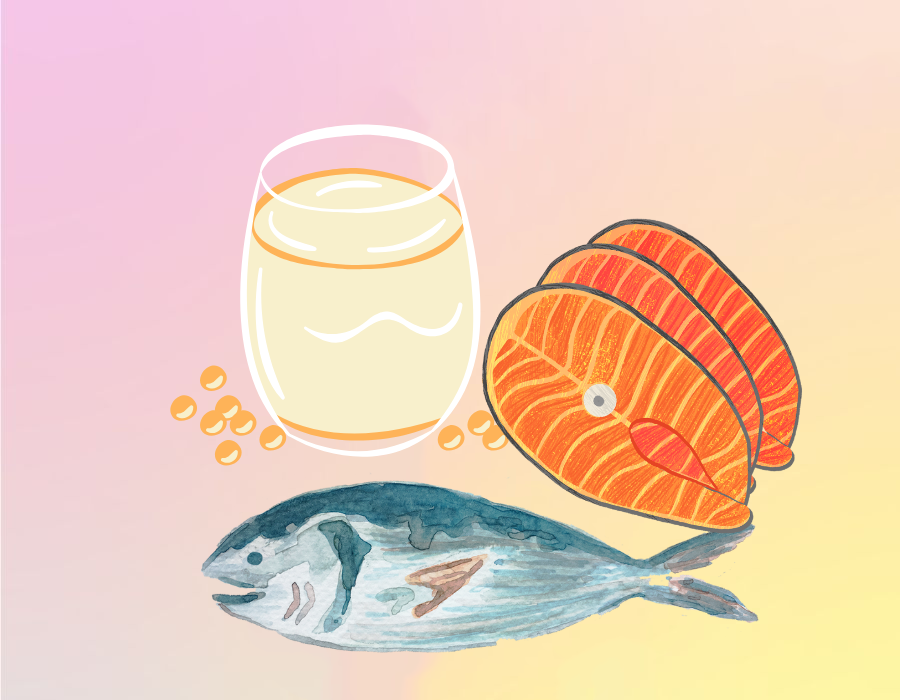
In daily meals, meats and eggs are rich sources of protein. Examples include seafood like fish and shrimp, skinless poultry, eggs, and milk.
2. Plant-Based Protein
With the growing number of vegetarians, most obtain their protein through plant sources like soy products, in addition to supplements. Plant proteins are easier to digest and absorb than animal proteins, though animal proteins contain higher protein content.
When protein enters the human body, it breaks down in the intestines into essential amino acids. These are absorbed into the bloodstream and transported to various tissues and organs. Within these organs, amino acids undergo biochemical processes to reassemble into human proteins, fulfilling their vital functions.
In daily life, consuming high-quality protein is key to a healthy diet. Based on individual dietary habits, we should reasonably incorporate meat, eggs, dairy, and soy products to meet our protein needs—the foundation for building a healthy physique.


Leave a Reply
Want to join the discussion?Feel free to contribute!