
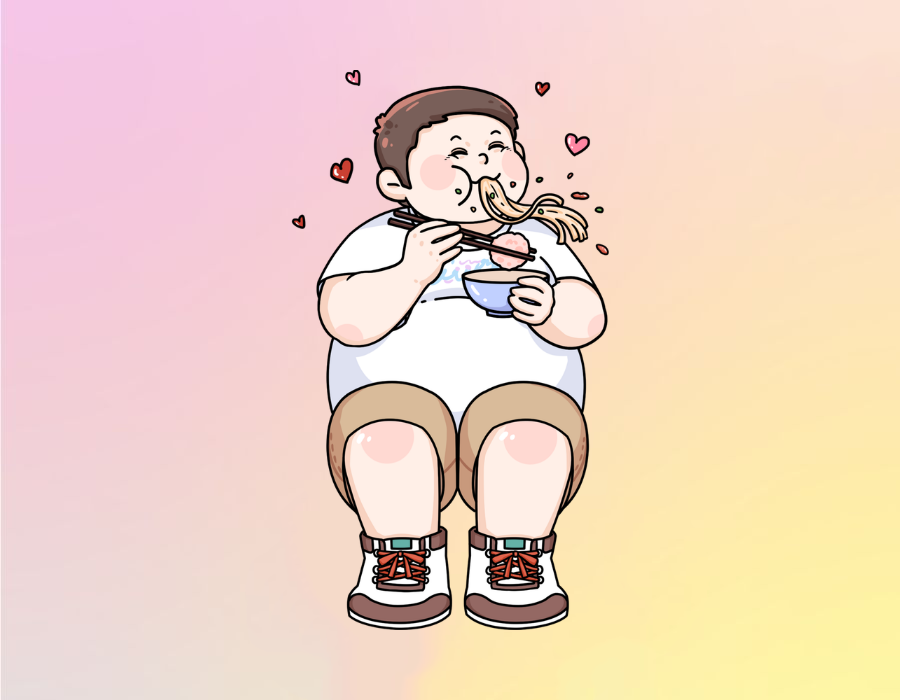
Eating Too Fast Can Actually Cause So Many Health Problems
If you have any queries or suggestions, please feel free to reach out via email to info@harisonfitness.com. We will do everything in our capacity to ensure that you love your experience with us.
Mealtime should be the most enjoyable part of the day, but for various reasons, we tend to eat faster and faster—whether we’re busy with school, work, or daily chores. What you may not realize, however, is that eating too quickly can lead to a range of health issues!
Older people often say, “Eat slowly, eat slowly—be careful not to choke.” In reality, eating too fast is about more than just choking; it can lead you to eat more, cause higher blood sugar levels, and even trigger related health issues!
01 The Dangers of Eating Too Fast
Numerous studies have shown that people who eat quickly are 2.15 times more likely to become obese than those who eat slowly! Eating quickly causes blood sugar levels to rise rapidly, prompting the body to release large amounts of insulin. Therefore, if you’re trying to lose weight, it’s essential to chew slowly and thoroughly while eating smaller portions. This not only reduces your risk of obesity but also increases feelings of fullness—killing two birds with one stone!
Did you know? Eating too quickly can actually lead to vascular issues. When you eat too fast, you chew less, which reduces jaw muscle activity and is detrimental to cardiovascular circulation. Furthermore, eating too quickly can cause your heart rate to accelerate. For people with pre-existing heart conditions, this can easily trigger palpitations and discomfort. So, don’t eat too fast—chewing slowly and thoroughly offers many benefits.
02 Four Tips to Help You Eat More Slowly
Since eating too fast affects our physical health and makes it easy to gain weight, we should eat more slowly. In fact, for many people, eating quickly is a behavior that’s practically hardwired into their genes. So what can we do about it? How can we slow down our eating pace?
1. Don’t watch TV or use your phone while eating
Although scrolling through shows or playing on your phone while eating is fun, it keeps your mouth moving nonstop, leading you to unconsciously eat too much. So, put away your screen and focus your attention on the food you’re enjoying—you’ll likely find that your eating speed slows down as a result.
2. Chew consciously
Many people, once they feel hungry, can’t wait to stuff their mouths full and eat heartily. While this may provide a sense of satisfaction, it has only drawbacks and no benefits. When eating, chew consciously, take small bites, and chew several times before swallowing. You can also drink a little water to slow down your eating pace and help you enjoy the pleasure of eating.
3. Change Your Dining Environment
A comfortable environment not only alleviates anxiety but also lifts your spirits and enhances your appreciation of food. While eating, chat with family members to create a pleasant atmosphere. Put some thought into meal preparation—experiment with plating and presentation—and you’ll naturally slow down your eating pace.
4. Choose Low-Glycemic Foods
If you frequently eat large portions of rice and struggle to control your portion sizes, try incorporating more low-glycemic foods and high-quality proteins into your diet—such as buckwheat noodles, vegetables, beef, and fresh shrimp. These options are highly satisfying, keep you full longer, and are less likely to contribute to weight gain.
For the sake of your health, please don’t eat too quickly. Eating isn’t just about filling your stomach; when you chew slowly and savor your food, you’ll truly appreciate the charm of good food.


Leave a Reply
Want to join the discussion?Feel free to contribute!