
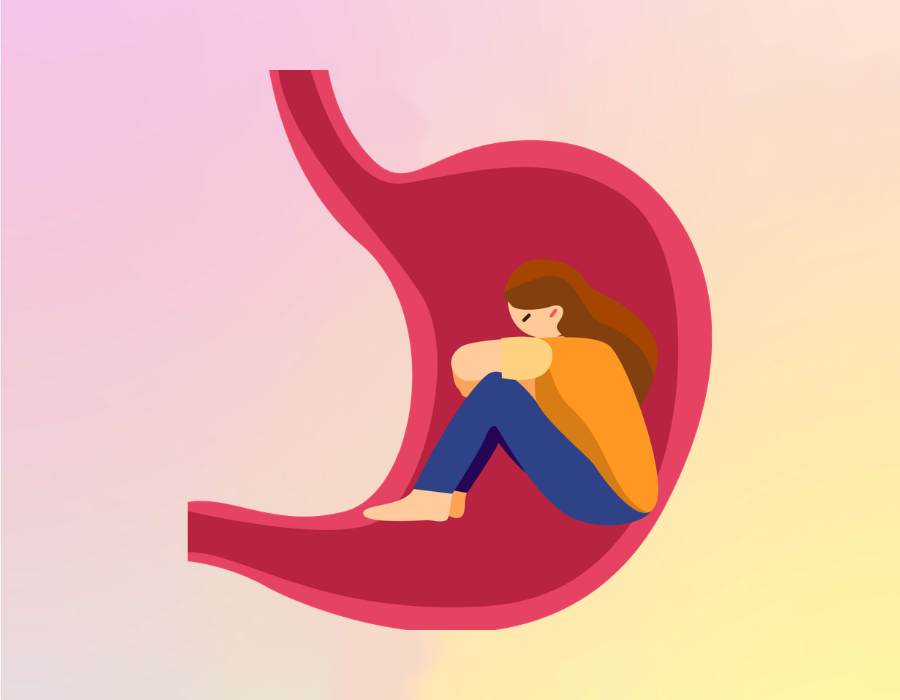
Different stomach conditions have different dietary restrictions. Do you know what they are?
If you have any queries or suggestions, please feel free to reach out via email to info@harisonfitness.com. We will do everything in our capacity to ensure that you love your experience with us.
There are many causes of stomach ailments, with irregular eating habits being the primary culprit. Other factors, such as Helicobacter pylori infection and emotional stress, also contribute to these conditions, causing significant inconvenience in our daily lives. It is often said that treating stomach ailments requires 30% medical treatment and 70% self-care. In addition to managing the patient’s emotions and cooperating with treatment, dietary hygiene and nutritional management are also crucial. So, what are the dietary restrictions for patients with stomach ailments?
Stomach ailments come in many forms, and the appropriate dietary restrictions and care methods vary depending on the specific condition. Let’s examine the key considerations for three common conditions: gastritis, gastric ulcers, and gastroesophageal reflux disease (GERD).
01 Gastritis
Gastritis is primarily classified into acute and chronic forms. Acute gastritis is often caused by bacterial infections, and symptoms vary. With prompt medical attention and proper treatment, it usually resolves quickly. Chronic gastritis, however, has a prolonged course and is prone to recurrence, making proper management particularly important. It can be further subdivided into types such as superficial and atrophic gastritis. Most patients with chronic gastritis have higher stomach acid secretion than average. Their daily diet should focus on controlling stomach acid by avoiding foods that stimulate excessive acid production, such as rich meat broths, bone broths, and other types of concentrated soups, as well as acidic fruits and carbonated beverages. At the same time, they should consume more alkaline foods to neutralize stomach acid; fermented steamed buns, noodles, and soda crackers are all good choices. It is also essential to strictly avoid spicy and irritating foods such as chili peppers.
02 Gastric Ulcer
Gastric ulcers are the most common gastric disorder, primarily caused by excessive stomach acid secretion that continuously erodes the gastric mucosa. Patients often experience discomfort such as abdominal pain and bloating; in severe cases, it may lead to gastric bleeding or perforation. Therefore, the key to dietary management is to suppress gastric acid secretion and protect the gastric mucosa. In addition to avoiding spicy and irritating foods, patients should also steer clear of hard-to-digest foods such as high-fiber whole grains and certain vegetables, as well as gas-producing foods like radishes and chestnuts. Daily meals should consist primarily of soft, easily digestible foods; suitable options include egg custard, rice porridge, well-cooked noodles, and lightly seasoned fish. In cases of acute ulcer flare-ups with severe symptoms, a liquid diet may be necessary. Using a blender to puree ingredients into a nutritious liquid diet can both reduce the burden on the stomach and ensure adequate nutrient intake.
03 Gastroesophageal Reflux
Many people are familiar with gastroesophageal reflux. A typical symptom is the regurgitation of stomach contents into the throat after overeating, during which the refluxed stomach acid can damage the esophageal lining. Patients with this condition should first avoid overeating to reduce the burden on the gastrointestinal system. At the same time, they should steer clear of high-fat foods; in obese individuals, abdominal fat accumulation can exacerbate the reflux of stomach acid and bile, so their diet should consist of low-fat, low-salt meals. Furthermore, meals should consist of dry foods; staple foods such as rice and noodles are recommended, while porridge should be avoided as much as possible. Although porridge may seem gentle on the stomach, it actually increases pressure in the stomach, thereby worsening reflux symptoms.
The diversity of gastric disorders warrants our attention. Early treatment leads to early recovery. In daily care, maintain dietary variety and ensure scientifically balanced nutrition based on the specific causes of each condition. Eat at regular intervals, prioritize breakfast, and avoid overeating at dinner. With everyone’s efforts and consistent care, we can certainly alleviate or cure gastric disorders.


Leave a Reply
Want to join the discussion?Feel free to contribute!