
Postoperative Care for Rotator Cuff Injuries: Home Rehabilitation Exercises Are Essential
If you have any queries or suggestions, please feel free to reach out via email to info@harisonfitness.com. We will do everything in our capacity to ensure that you love your experience with us.
Injuries to the rotator cuff not only cause severe pain but also limit limb movement; in more serious cases, patients may be unable to perform even basic movements.
For those with particularly severe injuries, surgery is often necessary to restore full function. However, surgery alone cannot guarantee a perfect outcome; active post-operative exercises are essential to repair the tendons. Only through this combination can the healing of rotator cuff injuries be effectively and rapidly promoted.
01Symptoms of rotator cuff injuries
If the rotator cuff is injured, pain is one of the primary symptoms. However, this pain does not appear immediately; instead, it develops gradually.
Starting with mild discomfort and progressing to severe pain indicates a rotator cuff injury, which could be a tendon tear or a rotator cuff avulsion. However, some individuals may experience unbearable pain. In such cases, the issue may extend beyond a simple rotator cuff injury and could be accompanied by a fracture, hairline fracture, or dislocation.
In addition to pain, swelling, redness, or even bruising may occur in the rotator cuff area. Furthermore, moving the arm may become very difficult. These are also common symptoms of a rotator cuff injury.
02 How to Prevent Shoulder Injuries
1. Be Mindful of Protection
Whether you are older or younger, it is important to be mindful of protecting your shoulder joints and to avoid falls and impacts as much as possible. For older individuals or those who have previously suffered rotator cuff injuries, avoid lifting heavy objects with the affected arm whenever possible. Doing so can cause severe strain on the rotator cuff tendons, leading to further damage or even a tear.
2. Perform Proper Warm-Up Exercises
Athletes are also prone to rotator cuff injuries. Although they do not engage in excessive physical labor, repetitive training and extreme arm abduction can still cause tendon damage, particularly among swimmers and weightlifters. Therefore, in addition to taking protective measures, it is essential to warm up thoroughly before exercising to loosen up the body. This significantly reduces the likelihood of rotator cuff injuries. Additionally, ensure that your exercise form and technique are correct during workouts; this provides an extra layer of protection for your rotator cuff.
03Home Exercises for Shoulder Injuries
Exercise 1: Prone Rowing
For this exercise, lie face down with the affected arm extended off the bed, hanging naturally. Hold a dumbbell—choose one that isn’t too heavy and work within your limits. As you exhale, extend your arm backward and pull the dumbbell upward. As you inhale, return your arm to the starting position. Repeat this movement. The exercise should last approximately 32 seconds.
Exercise 2: Prone Shoulder Extension
For this exercise, lie face down with the affected arm extended off the bed, straight and hanging naturally, with a slight fist. As you exhale, extend your arm backward; as you inhale, return your arm to the starting position. Repeat the exercise. The duration is approximately 32 seconds.
Exercise 3: Supine Arm Raise
For this exercise, lie on your back. Slowly raise the affected arm, then lower it to your side. Keep the arm relaxed with fingers spread apart, and breathe evenly and gently. Repeat the exercise. The duration is approximately 32 seconds.
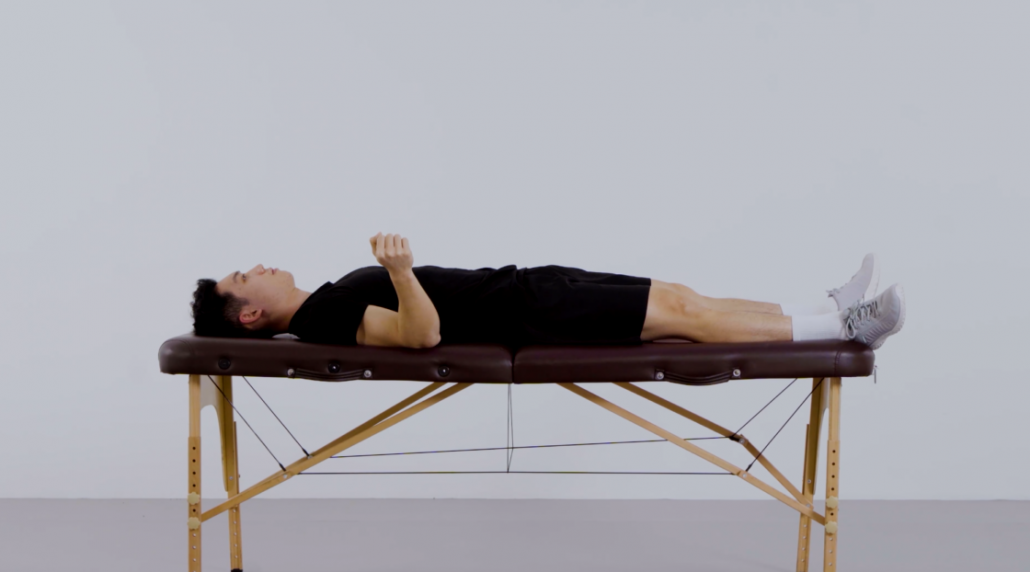
Exercise 4: Supine External Rotation
For this exercise, lie on your back. Bend the affected arm at the elbow to a 90-degree angle, with the palm slightly clenched. Keep the upper arm pressed against your torso at all times, then slowly rotate the forearm of the affected arm outward. Repeat the exercise. Duration: approximately 32 seconds.
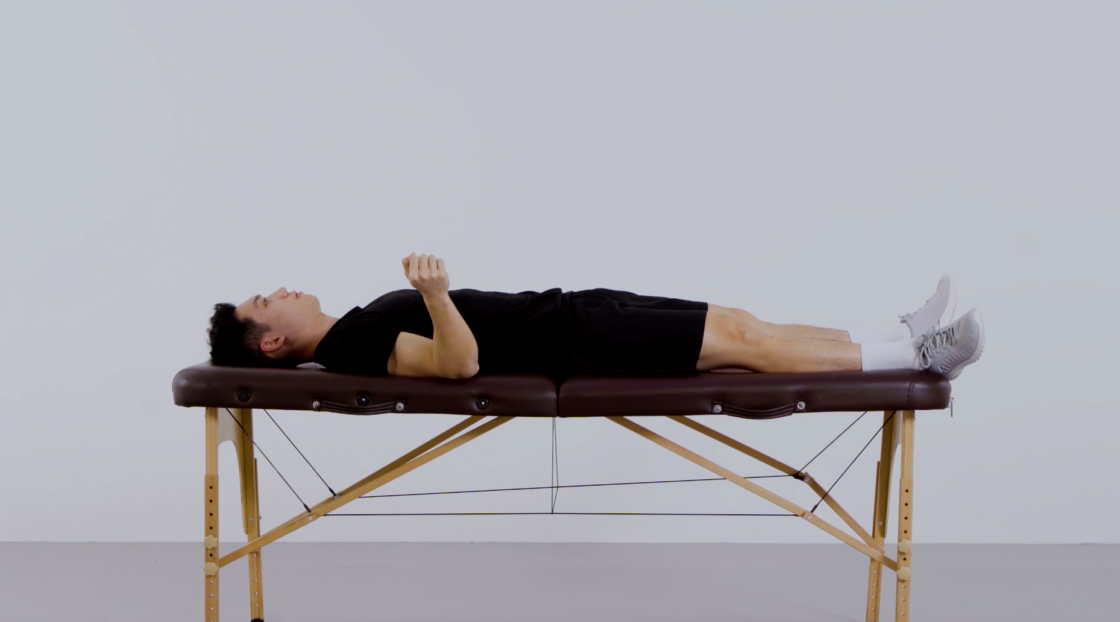
The four exercises above are all recovery exercises for rotator cuff injuries. They can effectively improve upper limb joint stability and muscle strength. However, they should be performed 40 minutes after a meal for optimal results.


Leave a Reply
Want to join the discussion?Feel free to contribute!