
Do your knees hurt all the time? It’s probably your anterior cruciate ligament crying out for help.
If you have any queries or suggestions, please feel free to reach out via email to info@harisonfitness.com. We will do everything in our capacity to ensure that you love your experience with us.
The anterior cruciate ligament is a very important structure that plays a crucial role in our daily movements and activities. So, specifically, where exactly is the anterior cruciate ligament located?
01 Where is the anterior cruciate ligament located?
The anterior cruciate ligament is primarily located within the joint cavity of the knee and is one of the most important ligaments in the human body. Specifically, it originates from the posterior aspect of the medial condyle of the femur, runs downward, passes through the intercondylar fossa, and extends forward, downward, and inward until it attaches to the anterior bony surface of the tibial tubercle.
02 The Function of the Anterior Cruciate Ligament
The primary function of the anterior cruciate ligament is to prevent excessive backward movement of the femur and excessive forward movement of the tibia, keeping them within their normal range of motion. Additionally, it prevents excessive extension and rotation of the knee joint, thereby protecting the knee from injury.
03 What Causes Anterior Cruciate Ligament Injuries?
Because the anterior cruciate ligament (ACL) plays a crucial role in athletic activities, excessive strain can lead to its injury. For example, improper exercise techniques or excessive stretching can cause such injuries, which are commonly seen in athletes. In addition to these factors, car accidents and falls from heights can also result in ACL injuries.
Following an injury, the affected area will experience pain and swelling; in severe cases, the individual may even be unable to walk normally. At this point, treatment is necessary. If the injury is minor, conservative treatment may suffice; however, if it is more severe, an ACL reconstruction procedure will be required.
04How to Recover After Anterior Cruciate Ligament Reconstruction
Exercise 1: Quadriceps Contraction
Instructions: Sit on the bed with your upper body upright. Place your arms behind you for support and keep both legs flat on the bed. Tighten the muscles on the front of the affected thigh. As you tighten them, you should feel your knee lift slightly upward—the movement should be very small—and your toes should point upward. Perform two sets of this exercise, with 8 repetitions per set.
Exercise 2: Heel Slide
Instructions: Lie on your back with your upper body flat against the bed and remain still. Place your arms at your sides and relax naturally. Keep the unaffected leg flat on the bed and still. With the heel of the affected leg touching the bed, slowly slide it inward, then slowly return it to the starting position. Maintain even breathing throughout this exercise. Perform two sets of this exercise, with 8 repetitions per set.
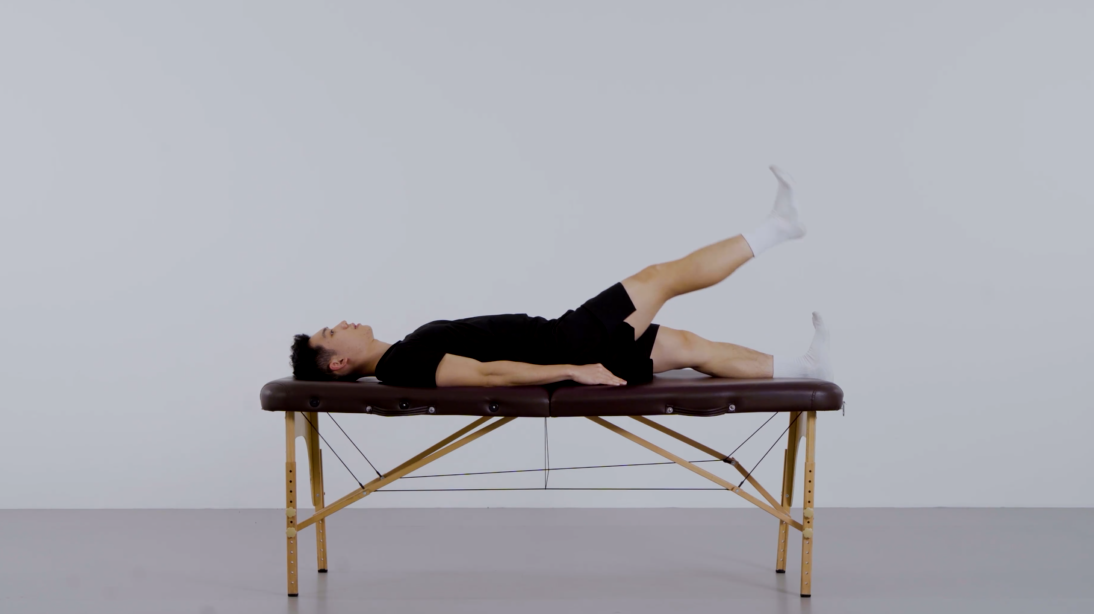
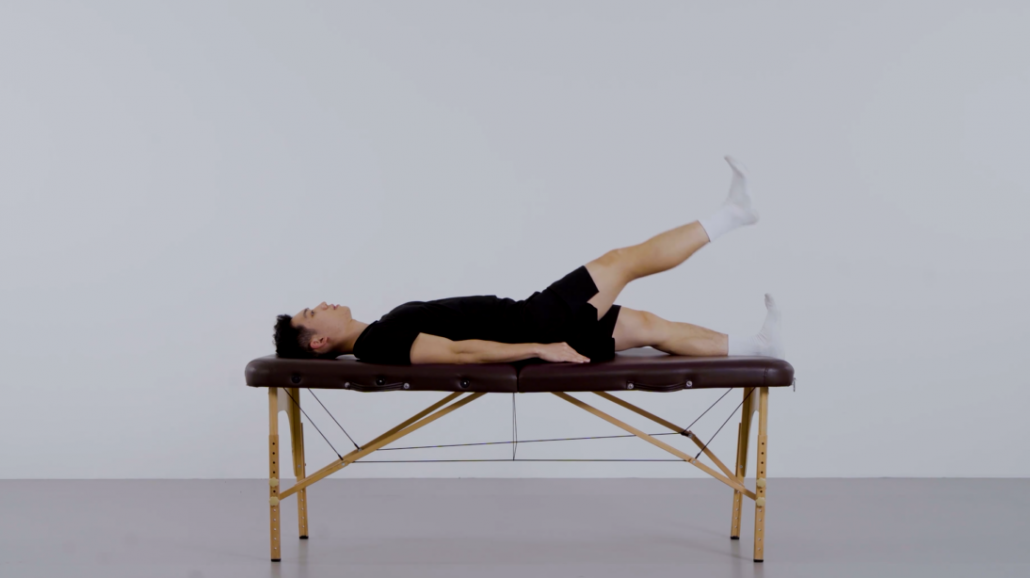
Exercise 3: 45-Degree Straight-Leg Raise
Instructions: Lie on your back with your upper body flat against the bed and held still. Place your arms at your sides with palms open and flat against the bed. Keep your legs naturally apart, shoulder-width apart. Keep the unaffected leg stationary with toes pointed upward. Slowly raise the affected leg until it forms a 45-degree angle with the floor, then slowly lower it back down, m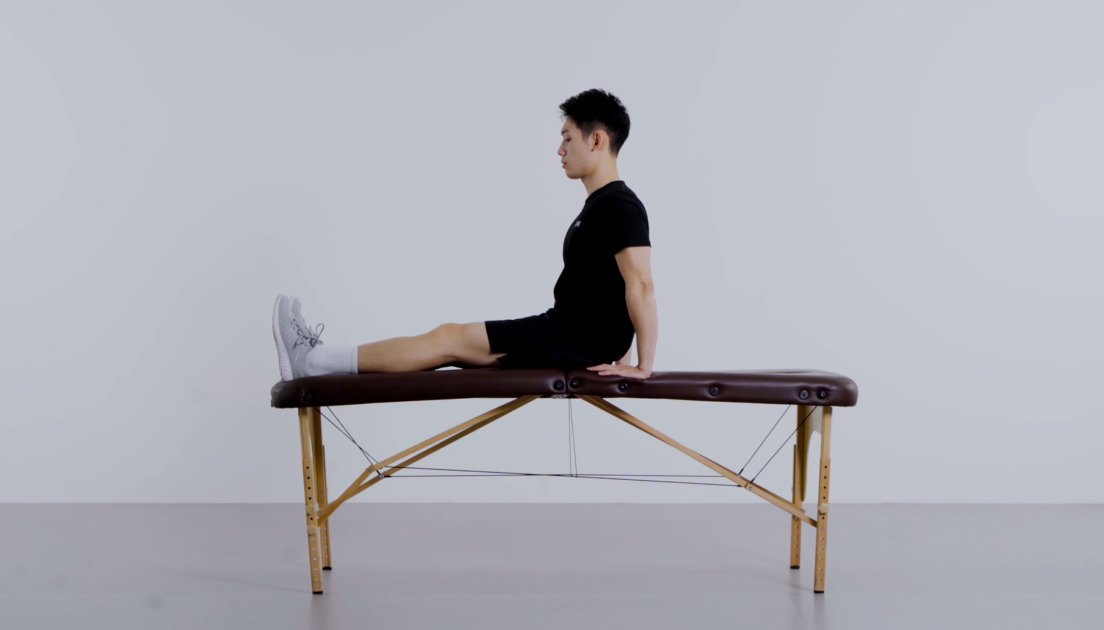 aintaining even breathing. Remember not to exceed a 45-degree angle, as this may cause pain or discomfort. Repeat this exercise, performing two sets of 8 repetitions each.
Exercise 4: Ankle Pumps
Key Points: This exercise is performed in a seated position. Keep your upper body upright and stable. Place both arms at your sides, slightly behind your body but not too far back. Open your hands so that your palms face down and support your body. Keep your legs naturally apart, flat on the bed, with toes pointing upward. Using the ankle joint as the pivot point, rock the affected leg back and forth. Repeat this exercise, performing two sets of 8 repetitions each.
All four of these exercises can be done at home, 40 minutes after meals, two to three times a day. They can effectively improve lower limb mobility and prevent postoperative adhesions.


Leave a Reply
Want to join the discussion?Feel free to contribute!