
Eat Your Way to a Sharp Mind? Dietary Adjustments Before the College Entrance Exam!
If you have any queries or suggestions, please feel free to reach out via email to info@harisonfitness.com. We will do everything in our capacity to ensure that you love your experience with us.
How to eat effectively before exams so that students can approach them in the best possible mental state has become a challenge for parents. How can you eat healthily, boost brain function, and fuel your brain to its full potential? Check out these dietary tips for exam prep!
01 Understanding the Principles of a Healthy and Balanced Diet
Adolescents should adhere to a balanced diet centered on grains, with other food groups serving as supplements. Their daily grain-based diet should include grains and tubers, vegetables, fruits, meat and poultry, fish, eggs, dairy, and legumes. On average, children should be provided with two or more different food items each day and at least 25 different types per week to ensure a balanced intake and healthy eating habits every day. The ketogenic diet is not suitable for adolescents who are in the midst of growth and development. As they are still growing, they require substantial amounts of essence, energy, blood, and body fluids—all of which are derived from the refined nutrients of grains and vegetables. Only whole grains and legumes can be converted into these essential nutrients. Therefore, grain-based foods are particularly important for students preparing for exams.
Plan three meals a day: A reasonable nutritional balance should align with physiological functions and actual needs to establish a regular eating schedule. At the same time, the impact of proper hydration on the body should not be overlooked. Daily water intake should be between 1,500 ml and 1,700 ml; drinking too little or too much is not ideal. Excessive water intake dilutes the concentration of various nutrients and can cause mental sluggishness. Therefore, proper hydration is crucial.
02 What Do High School Seniors Need Most Physically?
In the run-up to exams, students are under extreme physical and mental stress. Their physical and mental stamina have been pushed to the limit. Combined with frequent late nights, their bodily functions decline and their immune systems weaken rapidly, making them highly susceptible to illness. Staring at textbooks for long periods also leads to increased intraocular pressure. Therefore, what high school students need most are foods that help relieve anxiety, protect their eyes, and improve memory.
“Nutritional supplementation” varies from person to person. Parents should not force their children to eat foods they normally dislike, nor should they over-supplement their diets. Children differ in physical constitution, basic appetite, and dietary restrictions. If parents become overly focused on nutritional supplementation, it may backfire.
03 Tips for Exam Meals
(1) For breakfast, avoid fruits that are low in sugar and have a diuretic effect; instead, eat potassium-rich foods like bananas and peaches. Drink plenty of glucose water or eat a piece of chocolate to boost your calorie intake, which can help improve concentration, memory, and alertness.
(2) After finishing an exam, drink some salt water to promote the secretion of digestive juices and stimulate gastrointestinal motility.
(3) It’s best to eat small, frequent meals that are light and easy to digest. Avoid eating until you’re too full, as this can reduce blood flow to the brain and lead to fatigue.
(4) Eat some fruit half an hour after a meal to replenish potassium and sodium. Be sure to wash raw fruit thoroughly; you can soak it in lightly salted water for a short while.
(5) Avoid giving candidates too many raw or cold foods, and minimize fried foods as much as possible to prevent gastrointestinal discomfort, diarrhea, or “internal heat,” which can negatively impact their exam preparation.
(6) Foods that relieve tension: Bananas, walnuts, and foods rich in vitamin C can help combat anxiety.
(7) Foods that support eye health: Vitamin A, carrots, and animal offal such as pork liver.
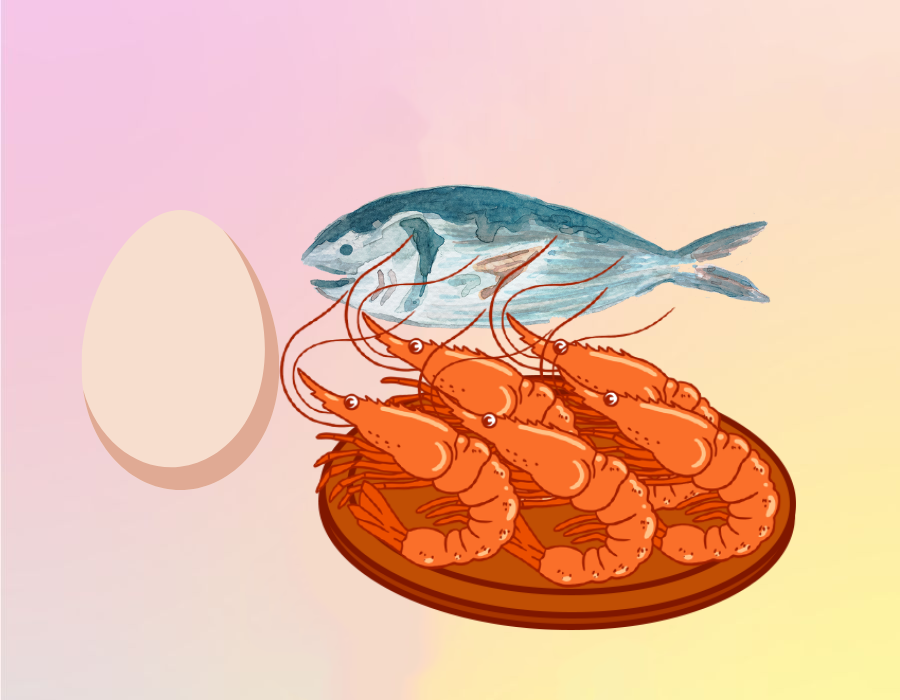
Candidates who are generally calm may benefit from eating more red-colored foods, which can help stimulate brain activity; those who tend to be more impatient should consume more calcium-rich foods—milk, yogurt, small fish, shrimp, and sesame paste are all excellent choices. Additionally, black-colored foods, such as black beans and wood ear mushrooms, can help promote a sense of calm.
With a scientifically balanced diet and a calm mindset, we can help students approach their exams in a healthy and energized state of mind and body, ensuring they achieve success.


Leave a Reply
Want to join the discussion?Feel free to contribute!