
Recumbent Exercise Bike vs. Upright Bike: Which One Is Right for You?
Introduction
If you’ve been shopping for a home cardio machine, chances are you’ve come across two very different-looking options: the recumbent exercise bike and the upright exercise bike. At first glance, they might seem like completely different pieces of equipment — and in many ways, they are. But both deliver solid cardiovascular workouts, burn calories, and support long-term fitness goals. So which one should you buy?
The answer depends on your body, your fitness goals, and how you plan to use it. This guide breaks down everything you need to know so you can make a confident, informed decision.
What Is a Recumbent Exercise Bike?
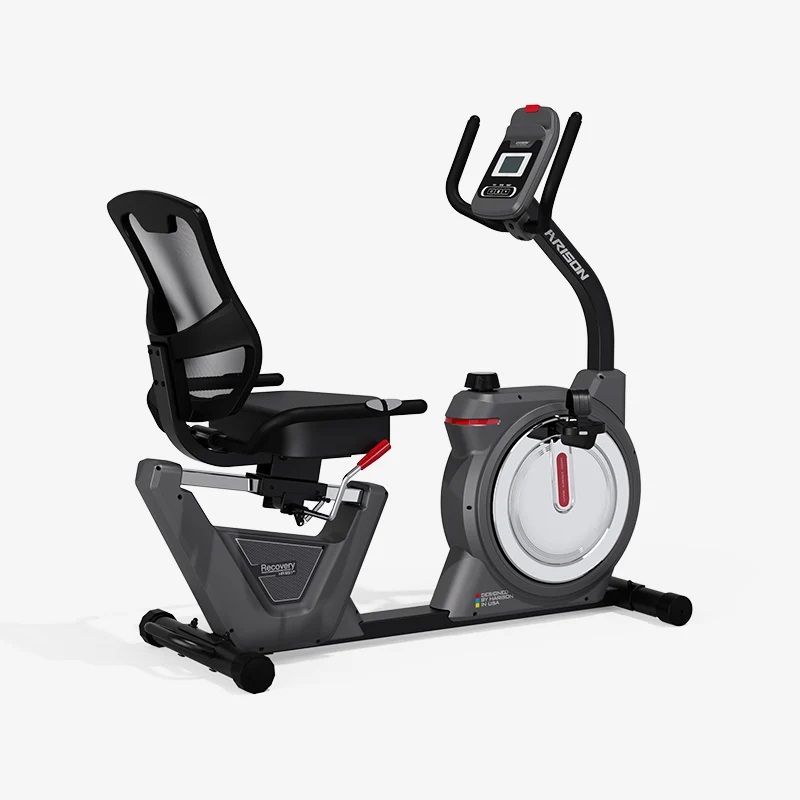
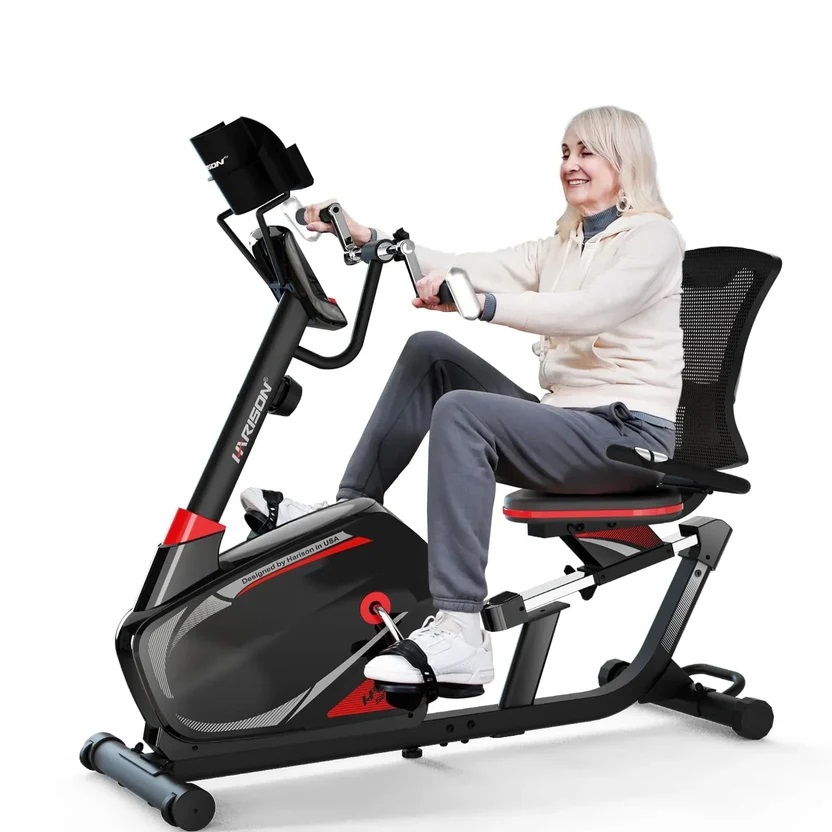
A recumbent exercise bike features a reclined seat with a backrest, placing you in a laid-back, almost chair-like position while you pedal. Your legs extend forward rather than downward, which distributes your body weight more evenly and reduces pressure on your lower back, hips, and joints.
This design makes recumbent bikes an excellent choice for seniors, people recovering from injury, or anyone dealing with chronic back or knee pain. The supported seating position allows for longer, more comfortable workout sessions without the strain that upright cycling can sometimes cause.
What Is an Upright Exercise Bike?
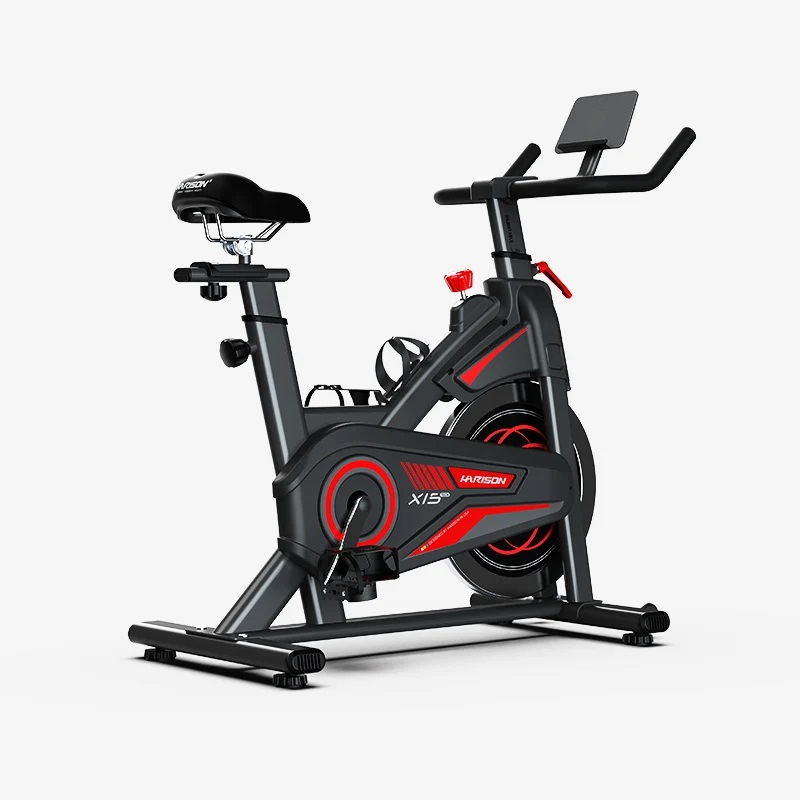
An upright exercise bike mimics the feel of riding a traditional outdoor bicycle. You sit in a more vertical position, engaging your core, glutes, and upper body more actively than you would on a recumbent model. Many upright bikes — especially spin bikes — also allow you to stand and pedal, which significantly increases workout intensity.
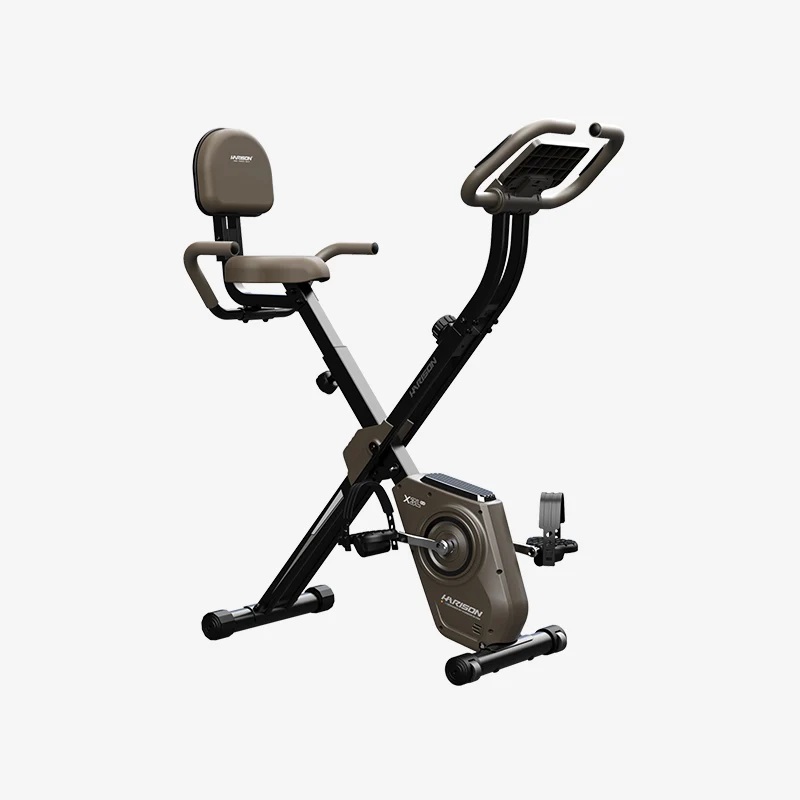
Upright bikes tend to be more compact, making them a popular choice for smaller spaces. They’re also a better fit for users who want a more intense, sport-style workout and don’t need the extra back support.
Key Differences at a Glance
Comfort and Joint Impact
Recumbent bikes win here. The reclined position and larger seat take pressure off the spine and knees, making them far more comfortable for extended sessions. Upright bikes, while manageable for most healthy adults, can cause discomfort during longer rides if you’re not used to the saddle position.
Calorie Burn and Workout Intensity
Upright bikes generally allow for higher-intensity workouts, especially if you incorporate standing intervals or high-resistance sprints. That said, a recumbent bike at moderate-to-high resistance can still deliver an effective calorie-burning session — it just requires more intentional effort to push the intensity.
Muscle Engagement
Both bikes primarily target the lower body — quads, hamstrings, calves, and glutes. However, upright bikes engage the core and stabilizer muscles more actively due to the unsupported seating position. Recumbent bikes shift more of the workload to the hamstrings and glutes because of the forward pedaling motion.
Who It’s Best For
Recumbent bikes are ideal for older adults, beginners, people with back or joint issues, and anyone prioritizing comfort and low-impact exercise. Upright bikes are better suited for younger, more active users who want a challenging cardio workout and don’t require additional back support.
Which One Should You Buy?
If comfort, accessibility, and joint health are your top priorities, go with a recumbent exercise bike. It’s one of the most user-friendly pieces of home gym equipment on the market, and it’s easy to stick with a routine when your workouts don’t leave you sore or uncomfortable.
HARISON HR-B51A Eco Recumbent Exercise Bike
HARISON HR-B8A Re Home Recumbent Exercise Bike for the elderly
If you’re looking to push your limits, replicate the feel of outdoor cycling, or maximize calorie burn in a shorter amount of time, an upright or spin bike is likely the better fit.
HARISON HR-X15 Tech Home Exercise Bike
HARISON HR-X3L Foldable Magnetic Exercise Bike
The good news? Either option is a smart investment in your long-term health. Both bikes offer low-impact cardio that’s easy on the joints compared to running, and both can be used consistently for years without significant wear on your body.
Final Thoughts
Choosing between a recumbent and upright exercise bike doesn’t have to be complicated. Think about how your body feels during workouts, what kind of experience you want, and how much space you have at home. Whether you go recumbent or upright, committing to regular cardio is what truly moves the needle on your fitness goals.
Ready to find the right bike for your home gym? Explore HARISON’s full lineup of recumbent and upright exercise bikes — built for durability, comfort, and real results.



Leave a Reply
Want to join the discussion?Feel free to contribute!