5 Common Ingredients to Help Maintain Your Daily Health

If you have any queries or suggestions, please feel free to reach out via email to info@harisonfitness.com. We will do everything in our capacity to ensure that you love your experience with us.

To stay in good shape, it’s especially important to exercise regularly and develop healthy, balanced eating habits. Today, let’s talk about which everyday ingredients can help us take care of our bodies and stay in good shape.

01 Seafood

Seafood such as kelp, deep-sea fish, and sea cucumbers are all excellent health-promoting foods. Although sea cucumbers tend to be on the expensive side, the sulfated polysaccharides they contain help improve overall bodily function. Seaweed such as kelp is rich in fucoidan, which exhibits outstanding antioxidant properties. Fish is a high-quality source of protein and also contains a variety of trace elements essential for the human body; it’s a good idea to incorporate it into your daily diet.

02 Fresh Fruits and Vegetables
Fresh fruits and vegetables are rich in dietary fiber, various vitamins, carotenoids, and selenium. These nutrients promote intestinal peristalsis, act as antioxidants, and help the body maintain good health. Foods like broccoli and cabbage are rich in organophosphorus compounds, while ingredients such as onions contain organosulfur compounds; both support the body’s metabolism and are highly beneficial for daily health maintenance. Making a habit of eating plenty of fruits and vegetables is very beneficial to your health.

03 High-Quality Carbohydrates

You can incorporate whole grains into your daily staple foods to ensure an adequate intake of dietary fiber, which promotes digestive tract motility and supports gut health. Consider replacing refined white rice with brown rice, corn, sweet potatoes, and other whole grains. It’s recommended to eat whole grains about twice a week and adjust your staple food intake accordingly.

04Nuts
Nuts are rich in vitamin E and selenium and have outstanding antioxidant properties. The ellagic acid and sesamin found in walnuts and sesame seeds are particularly beneficial for women’s health, and the phenolic compounds they contain also help maintain overall well-being. Nuts such as pine nuts, hazelnuts, and almonds are also packed with nutrients. However, since nuts are high in fat, it’s important to limit your intake; eating too many can put a strain on your body and may lead to weight gain.

05 Ingredients Such as Mushrooms and Ginger
Ingredients like mushrooms and ginger contain unique polysaccharides, making them excellent choices for daily health maintenance. Gingerol, found in ginger, has strong antioxidant properties, while various types of mushrooms are rich in histones, carotenoids, and a variety of vitamins. Please note that you should always purchase mushrooms from reputable markets, do not pick mushrooms in the wild on your own. Wild mushrooms come in a wide variety, and it is easy to mistakenly consume poisonous species, which can cause physical discomfort. Be extremely cautious when selecting them.


The core function of all these ingredients is to provide the body with a variety of nutrients, boost immunity, and help us maintain good health. If you experience any physical discomfort, be sure to seek medical attention promptly for examination and treatment. Never rely on dietary adjustments as a substitute for professional medical care. Dietary therapy is merely a supplementary method of self-care and does not possess medicinal properties.

5 Questions to Ask Before Buying a Treadmill | HARISON

5 Questions to Ask Before Buying a Treadmill

Buying a treadmill is a big decision. Walk into any store or scroll through Amazon, and you’re hit with endless options — $300 folding treadmills, $3,000 commercial monsters, and everything in between.

Ask these 5 questions first — and you won’t end up with an expensive coat rack. 👇

1. How Will You Actually Use It?

This is the #1 question. And the answer changes everything.

  • Walkers: A 2.0-2.5 CHP motor and shorter deck are fine. You don’t need a commercial-grade machine.

  • Joggers: Look for 2.5-3.0 CHP and a 55″+ deck. You need room to stride comfortably.

  • Runners: Go 3.0+ CHP with a 60″ deck. Anything less, and you’ll feel cramped at higher speeds.

If multiple people use it, check weight capacity and user profiles. One size doesn’t fit all.

2. How Much Space Do You Really Have?

Measure twice. Buy once.

  • Add 2 feet on each side of the treadmill for safety.

  • Leave 8 feet of clearance behind the belt — especially if you’re a runner.

  • Check your ceiling height. You need about 15″ above your standing height.

Folding treadmills save floor space. But they still need full clearance when you’re using them. If you’re in a small apartment, consider an under-desk walking pad instead — but know that’s for walking only.

3. What Motor Power Do You Actually Need?

Motor specs can be misleading. Here’s what matters.

Look at Continuous Horsepower (CHP) — not peak horsepower. Peak is a marketing number. CHP is what the motor can sustain.

Your Use Minimum CHP
Walking 2.0-2.5
Jogging 2.5-3.0
Running 3.0+

A stronger motor runs smoother, lasts longer, and handles heavy use without overheating. Don’t cheap out here.

4. What’s Your Budget — And What’s the Warranty?

Price tells you what you get. Warranty tells you how long it’ll last.

  • New treadmills come with warranties. Used ones don’t — and you’re inheriting someone else’s wear and tear.

  • Industry standard: 15 years to lifetime on the frame. Motor and parts: 2-10 years.

  • If you buy a $200-300 treadmill, expect a short warranty — and a shorter lifespan.

Cheap can be expensive in the long run. Factor in repair costs and replacement belts (every 1-3 years under heavy use). A belt replacement alone can cost $100-200.

5. Do You Want Smart Features — Or Just a Workout?

Screens look great. But do you need one?

  • Touchscreens add cost. And if they break, they’re expensive to replace.

  • Some brands lock guided workouts behind a subscription (iFIT, JRNY, etc.). That’s $15-40/month, forever.

  • HARISON treadmills work in manual mode — no subscription required. The HARISON App is free for workout tracking.

Bluetooth for headphones and heart rate monitors? That’s a nice middle ground. You get connectivity without the monthly bill.

HARISON Treadmills — Built for Your Answers

Whatever you answered above, HARISON has a treadmill that fits.

  • Walking or light jogging? HARISON’s compact folding treadmills deliver smooth, cushioned walks without taking over your living room.

  • Serious running? HARISON commercial-grade treadmills feature powerful motors (3.0+ CHP) and 60″ decks for a natural, stable stride.

  • Space tight? HARISON folding designs tuck away when not in use — but still give you the deck length you need.

  • Smart features without the subscription? HARISON App compatibility gives you workout tracking with zero monthly fees.

✅ U.S. quality inspection on every machine
✅ Free shipping
✅ 2-hour service response

Conclusion

Quick Recap:

  1. Use — Walking, jogging, or running?

  2. Space — Measure your room and ceiling height

  3. Motor — 2.0, 2.5, or 3.0+ CHP?

  4. Budget & warranty — What’s covered and for how long?

  5. Smart features — Subscription or no subscription?

Answer these, and you’ll know exactly what you need.

HARISON gives you commercial-grade quality at factory-direct prices. U.S. quality inspected. Free shipping. No games.

Your health is worth it. Don’t guess. Ask first. 💪

What? You can actually develop a metabolism that makes it easier to lose weight just by what you eat!

If you have any queries or suggestions, please feel free to reach out via email to info@harisonfitness.com. We will do everything in our capacity to ensure that you love your experience with us.

Being thin is often due to genetic factors, but don’t be surprised—good dietary management can also help you develop a “body that stays slim”!

01 The Gap Between Ordinary People and Those Who Lose Weight Easily

Energy expenditure isn’t determined solely by daily physical activity. The human body’s daily energy expenditure primarily consists of three components: basal metabolic rate, muscle activity, and the thermic effect of food. Basal metabolic rate accounts for 60% to 70% of total energy expenditure, while the remaining 30% represents the calories you can safely cut from your daily intake—which is also the safe range for healthy weight loss.

With this basic understanding, you’ll realize that while overeating may feel good in the moment, regaining weight is a constant source of frustration. Regaining weight isn’t just about returning to your original weight; constant weight fluctuations can easily lower your basal metabolic rate, causing fat to accumulate in your body and ultimately leading to a body type that gains weight easily but struggles to lose it. Healthy eating habits can improve your basal metabolic rate, and by managing your daily calorie intake effectively, you can develop a body that naturally stays lean. Breaking through the barrier to a lean physique isn’t that difficult after all!

02 Eat Your Way to a Slim Body Type

To develop a “body that loses weight easily,” you should first control your total food intake (an adult’s basal metabolic rate is generally between 1,200 and 2,000 calories per day) to create a calorie deficit. Second, break bad habits such as irregular meal times, relying on takeout, a preference for heavily seasoned foods, frequent alcohol consumption, and eating too quickly.

Additionally, drink plenty of water. There’s a proper way to do this: drink about 2 liters of lukewarm plain water daily, sipping it slowly in small amounts throughout the day—don’t gulp down a whole glass at once—to help boost your metabolism. Finally, maintain a positive mindset; changing your body composition takes time and consistent effort—haste makes waste.

03 Adjust Your Diet
When losing weight, adjust your diet gradually by eating fewer high-calorie foods, avoiding greasy foods, and refraining from overeating. Ensure your three daily meals are nutritionally balanced, chew your food thoroughly, and stop eating when you’re about 70–80% full. Here are some tips:

Choose Slow-Digesting Carbohydrates

Opt for whole grains, legumes, tubers, vegetables, and fruits, and try to avoid highly processed grains as much as possible. For example, replace white rice with mixed-grain rice. Compared to plain white rice, mixed-grain rice causes a smaller rise in blood sugar after a meal while providing the same number of calories. It also makes you feel fuller longer and is rich in dietary fiber, which promotes bowel movements and prevents the buildup of food residue.

At the same time, keep your daily carbohydrate intake within a reasonable range—about 50–100 grams is sufficient. This prevents excessive fat accumulation, while also ensuring you don’t get too hungry before mealtime.

Eat More High-Protein Foods

Protein is a macromolecule that takes a long time to digest in the body, so it provides a strong sense of fullness. It also helps prevent excessive sugar intake, as high-protein foods generally have a low glycemic index and thus do not lead to fat accumulation. The saying “Meat gives you strength” actually refers to how the high-quality protein in meat boosts your metabolism and promotes or repairs muscle growth. In your daily diet, you can choose foods such as skim milk, fish, rabbit meat, and boiled lean pork, beef, or chicken.

Increase Intake of Essential Fatty Acids

For good health and a balanced diet, the intake of high-quality fats is essential. Fat-soluble vitamins are primarily found in fatty foods, such as animal fats, dairy products, animal liver, and oily fish. If fat intake is too low or fat absorption is impaired, it will undoubtedly lead to deficiencies in these vitamins. Therefore, to improve physical condition and maintain a healthy body fat percentage, we recommend consuming the following foods in moderation to obtain high-quality fats: avocados, olives, hazelnuts, olive oil, and deep-sea fish such as mackerel, salmon, and sardines.

Avoid stimulating foods and eat smaller, more frequent meals

Many people assume that common stimulating foods are limited to chili peppers, black pepper, curry, and betel nuts. In reality, the coffee you drink every morning, as well as cola, hot cocoa, and tea—which you often consume as if they were water—are all included.

Stimulating foods contain substances that are easily addictive; excessive consumption not only disrupts blood sugar balance but can also, in severe cases, impair nervous system function. Therefore, aside from the occasional cup of light tea, it’s best to avoid stimulating foods altogether while working to change a weight-gain-prone body type.


Many people believe that body type is predetermined and unchangeable, so they give up on learning healthy, scientific weight management techniques. However, your “lean body type” and “body fat percentage” are also key factors. The root cause of changes in body type lies in dietary habits. By learning proper eating methods, you too can transform a weight-gain-prone body type into a lean one!


Eat Your Way to a Sharp Mind? Dietary Adjustments Before the College Entrance Exam!

If you have any queries or suggestions, please feel free to reach out via email to info@harisonfitness.com. We will do everything in our capacity to ensure that you love your experience with us.

How to eat effectively before exams so that students can approach them in the best possible mental state has become a challenge for parents. How can you eat healthily, boost brain function, and fuel your brain to its full potential? Check out these dietary tips for exam prep!

01 Understanding the Principles of a Healthy and Balanced Diet

Adolescents should adhere to a balanced diet centered on grains, with other food groups serving as supplements. Their daily grain-based diet should include grains and tubers, vegetables, fruits, meat and poultry, fish, eggs, dairy, and legumes. On average, children should be provided with two or more different food items each day and at least 25 different types per week to ensure a balanced intake and healthy eating habits every day. The ketogenic diet is not suitable for adolescents who are in the midst of growth and development. As they are still growing, they require substantial amounts of essence, energy, blood, and body fluids—all of which are derived from the refined nutrients of grains and vegetables. Only whole grains and legumes can be converted into these essential nutrients. Therefore, grain-based foods are particularly important for students preparing for exams.

Plan three meals a day: A reasonable nutritional balance should align with physiological functions and actual needs to establish a regular eating schedule. At the same time, the impact of proper hydration on the body should not be overlooked. Daily water intake should be between 1,500 ml and 1,700 ml; drinking too little or too much is not ideal. Excessive water intake dilutes the concentration of various nutrients and can cause mental sluggishness. Therefore, proper hydration is crucial.

02 What Do High School Seniors Need Most Physically?

In the run-up to exams, students are under extreme physical and mental stress. Their physical and mental stamina have been pushed to the limit. Combined with frequent late nights, their bodily functions decline and their immune systems weaken rapidly, making them highly susceptible to illness. Staring at textbooks for long periods also leads to increased intraocular pressure. Therefore, what high school students need most are foods that help relieve anxiety, protect their eyes, and improve memory.

“Nutritional supplementation” varies from person to person. Parents should not force their children to eat foods they normally dislike, nor should they over-supplement their diets. Children differ in physical constitution, basic appetite, and dietary restrictions. If parents become overly focused on nutritional supplementation, it may backfire.

03 Tips for Exam Meals

(1) For breakfast, avoid fruits that are low in sugar and have a diuretic effect; instead, eat potassium-rich foods like bananas and peaches. Drink plenty of glucose water or eat a piece of chocolate to boost your calorie intake, which can help improve concentration, memory, and alertness.

(2) After finishing an exam, drink some salt water to promote the secretion of digestive juices and stimulate gastrointestinal motility.

(3) It’s best to eat small, frequent meals that are light and easy to digest. Avoid eating until you’re too full, as this can reduce blood flow to the brain and lead to fatigue.

(4) Eat some fruit half an hour after a meal to replenish potassium and sodium. Be sure to wash raw fruit thoroughly; you can soak it in lightly salted water for a short while.

(5) Avoid giving candidates too many raw or cold foods, and minimize fried foods as much as possible to prevent gastrointestinal discomfort, diarrhea, or “internal heat,” which can negatively impact their exam preparation.

(6) Foods that relieve tension: Bananas, walnuts, and foods rich in vitamin C can help combat anxiety.

(7) Foods that support eye health: Vitamin A, carrots, and animal offal such as pork liver.


Candidates who are generally calm may benefit from eating more red-colored foods, which can help stimulate brain activity; those who tend to be more impatient should consume more calcium-rich foods—milk, yogurt, small fish, shrimp, and sesame paste are all excellent choices. Additionally, black-colored foods, such as black beans and wood ear mushrooms, can help promote a sense of calm.

With a scientifically balanced diet and a calm mindset, we can help students approach their exams in a healthy and energized state of mind and body, ensuring they achieve success.

What to Do If You Can’t Pass Gas After a C-Section

If you have any queries or suggestions, please feel free to reach out via email to info@harisonfitness.com. We will do everything in our capacity to ensure that you love your experience with us.

After a cesarean section, new mothers not only have to cope with uterine contractions and discomfort from the surgical incision, but they are also often concerned about how to pass gas as soon as possible. This is because reduced intestinal motility following a cesarean section can cause bloating.

01 What Causes Difficulty Passing Gas After a C-Section?

1. The use of a pain pump may delay the recovery of gastrointestinal motility.

2. New mothers who talk frequently after surgery may swallow large amounts of air, which can exacerbate bloating.

3. If a new mother experiences indigestion, constipation, or a buildup of food residue in the intestines prior to a cesarean section, it can lead to gastrointestinal dysfunction, which may also cause or worsen postoperative bloating.

4. In certain pathological conditions, such as excessive blood loss during surgery or excessive loss of potassium ions leading to hypokalemia, bloating may occur in new mothers.

02How to Pass Gas as Soon as Possible After a Cesarean Section

1. Get out of bed and move around as soon as possible

Getting out of bed and moving around as soon as possible helps stimulate bowel movements more quickly, which facilitates the passage of gas after surgery. New mothers can stand or walk around moderately 24 hours after a cesarean section, depending on how they feel. It is common for new mothers to experience “dizziness” or “dark spots before their eyes” when getting out of bed for the first time. This is caused by low blood pressure. They can first sit up in bed for a while to adjust to the change in posture, then slowly get out of bed with the help of family members. If they are unable to get out of bed, they can turn over frequently while lying down. This helps with passing gas and also prevents intestinal adhesions.


2. Exercises to Promote Gas Passing

New mothers can gently massage their abdomen every 2–3 hours for 10–20 minutes at a time. This not only promotes intestinal peristalsis but also aids in the discharge of lochia.

Exercises to Promote Gas Passing

Lie flat on your back and keep your lower back relaxed. Use your arms to grip the bedrails and gently roll from side to side. Perform these movements as gently as possible to avoid straining the incision site.

3. Use Appropriate Medications

If you are unable to pass gas for an extended period and continue to feel bloated, you may take oral medications under a doctor’s guidance to stimulate bowel movements and alleviate bloating.

03 Dietary Management After Passing Gas Following a Cesarean Section

1. Strict Fasting for 6 Hours After a Cesarean Section

New mothers generally need to fast strictly for 6 hours after a cesarean section. Eating immediately can easily lead to choking or other complications. If you’re really thirsty, you can drink half a spoonful of water to quench your thirst, but avoid drinking in large gulps.

2. Liquid Diet Allowed 6–8 Hours After a Cesarean Section

6–8 hours after a cesarean section, even if you haven’t passed gas yet, your doctor may tell you that you can start consuming light, easily digestible liquids such as rice water. It’s important to avoid foods that are hard to digest or cause gas, such as milk and soy milk.

3. Dietary Precautions After Passing Gas Following a Cesarean Section

Once you’ve passed gas, you can eat easily digestible foods. For the first 1–2 days after passing gas, transition to semi-liquid foods like congee or noodles before resuming a normal diet.

Whether it’s a vaginal delivery or a C-section, childbirth is a major ordeal for new moms. If they can’t pass gas smoothly after giving birth, it’s especially painful. As a husband, you should be more understanding of your wife, who has gone through such a difficult delivery.

Happy Father's Day

Happy Father’s Day – Celebrating Strength That Lasts | HARISON

To the man who taught us everything.

Strength isn’t just about what you can lift. It’s about showing up. Every single day.

This Father’s Day, we’re celebrating the dads who taught us discipline, patience, and how to get back up when life knocks us down.

The ones who led by example. Who showed us that real strength is quiet, consistent, and built over time.

From our HARISON family to yours – thank you.

Happy Father’s Day.

Product Recommendations for Dad

Treadmill 

– Soft Drop Suspension protects his joints. Walking, jogging, and running – all in one machine.

Massage Chair 

– After long days, he deserves deep relaxation. Zero gravity, smart 3D rollers, full-body relief.

Stair Climber 

– For the dad who never skips leg day. Low-impact, high-intensity total-body workout.

All HARISON machines come with U.S. quality inspection and free shipping.

Why HARISON?

At HARISON, we believe fitness is a gift that keeps giving. Better health. More energy. More time with the people who matter most.

We manufacture our own equipment. Factory-direct pricing. No middleman markup. Quality you can trust.

Give dad the gift of health this Father’s Day.

Bike Resistance Levels 1-10: What Each Level Trains | HARISON

How to Adjust Bike Resistance – What Each Level 1-10 Trains

The World Cup is in full swing. ⚽

You watch the players — 90 minutes of relentless running, explosive sprints, and quick recovery. What you don’t see is what happens off the pitch. And a lot of it happens on a bike.

Exercise bikes have become standard equipment in many national teams — not just for fitness, but for precise, measurable training . So here’s the thing — the same resistance levels that help World Cup pros perform can help you train smarter at home. Let’s break down what each level actually does. 👇

What Resistance Actually Does

Resistance is the force opposing your pedaling. Higher resistance = climbing a hill. Lower resistance = flat road.

HARISON bikes use precision magnetic resistance — smooth, quiet, and maintenance-free. Turn the knob, feel the change instantly.

Resistance Level 1-10 Breakdown

Level 1-2: Recovery & Active Regeneration

Very light effort. Easy spinning.

What it trains: Blood flow, joint mobility, active recovery.

How the pros use it: Between matches, players hop on the bike for active recovery — promoting blood circulation, helping break down metabolic waste, keeping the body moving without adding strain . During a 2-hour thunderstorm delay at the Club World Cup, Chelsea players stayed on exercise bikes to prevent muscles from shutting down. That’s exactly what this level is for.

Best for: Warm-ups, cool-downs, recovery days.

Level 3-4: Endurance & Aerobic Capacity

Moderate effort. You can talk but you’re working.

What it trains: Aerobic capacity, fat burning, stamina.

How the pros use it: Aerobic capacity is a key factor for World Cup players — they have to repeatedly perform high-intensity actions over 90 minutes and across multiple matches . Training methods like threshold intervals transfer directly from cycling to football . Long, steady-state rides at moderate resistance build the engine that keeps players going late into the game.

Best for: Long rides, steady-state cardio, building your fitness base.

Level 5-6: Strength & Power

Noticeably harder. You’re pushing now.

What it trains: Leg strength (quads, glutes, hamstrings), power output, muscle endurance.

How the pros use it: England players recently underwent high-intensity bike tests in 35-36°C heat tents — pedaling at set power outputs for 45 minutes . “We had to get to a certain watts on a bike and maintain it,” Cole Palmer said. That’s sustained power under pressure — exactly what level 5-6 builds.

Best for: Hill climbs, building leg strength, mimicking match intensity.

Level 7-8: High-Intensity Conditioning

Hard work. Breathing gets heavy. You’re in the red zone.

What it trains: Anaerobic capacity, cardiovascular conditioning, explosive power.

How the pros use it: Football requires repeated high-intensity actions — sprints, changes of direction, explosive movements . HIIT on the bike builds the kind of power that wins 50-50 balls and beats defenders to the ball.

Best for: Short intense intervals, HIIT sprints, match simulation.

Level 9-10: Max Effort

All-out. You can’t sustain this for long.

What it trains: Maximum power, fast-twitch muscle fibers, mental toughness.

Best for: Short bursts (15-30 seconds), peak performance, testing your limits.

How to Use Resistance for Different Goals

Goal Recommended Levels Workout Type
Active Recovery (like the pros between matches) 1-2 Light spinning, 15-20 min
Endurance / Stamina 3-4 30-45 min steady ride
Leg Strength / Power 5-6 Hill climbs, 50-60 RPM
Match Intensity / HIIT 7-8 Intervals: 20 sec on, 40 sec off
Max Effort / Sprint Power 9-10 Short bursts, 15-30 sec

Pro tip: Resistance is personal. Level 5 on one bike might feel different on another. Listen to your body first, the numbers second.

HARISON Bikes Make It Easy

HARISON exercise bikes feature precision magnetic resistance — smooth, quiet, and built to last. Turn the knob, feel the change instantly. No maintenance. No noise. Just results.

Whether you’re training like a World Cup player or just trying to stay active, HARISON bikes help you find the right level — every time.

✅ U.S. quality inspection
✅ Free shipping
✅ 2-hour service response

👉 Explore HARISON exercise bikes →

Conclusion

Stop just turning the knob randomly. Match the resistance to your goal — just like the pros do.

  • 1-2: Recover between matches

  • 3-4: Build endurance for the full 90 minutes

  • 5-6: Build leg strength for power and speed

  • 7-8: Train at match intensity

  • 9-10: Test your limits

HARISON gives you the tools. You bring the effort. 💪

FAQ

1. What’s the best resistance level for beginners?

Start at 2-3. Focus on form and breathing. Add resistance gradually as your fitness improves.

2. How do I know if I’m using the right resistance?

You should feel challenged but able to maintain good form. If your cadence drops below 50 RPM, you’re pushing too hard.

3. Does higher resistance always mean a better workout?

No. Different levels train different systems. Mix it up for best results.

4. Can I lose weight with low resistance?

Yes – if you keep your heart rate in the fat-burning zone. Consistency matters more than resistance level.

5. What’s the difference between magnetic and friction resistance?

Magnetic resistance is smoother, quieter, and maintenance-free. Friction resistance uses brake pads that wear out over time. HARISON uses magnetic systems on all bikes.

World Cup Season Is Here – Don’t Let Your Fitness Bench Become a Trophy Rack 🏆

The World Cup is officially underway. ⚽

You’ve got your jersey on. Snacks ready. Friends coming over. Maybe even a few cold ones in the fridge.

But here’s the thing — 90 minutes of sitting. Plus stoppage time. Plus extra time. Plus penalties.

That’s a LOT of couch time. 

And we all know what happens to the body after hours of sitting. Stiff back. Tight hips. That weird ache in your neck from leaning forward every time a shot goes wide. 

You don’t have to choose between watching the game and staying fit. Here’s how to crush both. 👇

Why Watching the World Cup Wrecks Your Body

Let’s be real. It’s not the beer. It’s the sitting.

One 90-minute match plus pre-game hype and post-game analysis = easily 3-4 hours glued to the couch. Studies show that prolonged sitting puts up to 400 lbs of pressure on your lumbar spine with bad posture. 

And when you’re watching a game? Let’s be honest — your posture is NOT good.

The solution? Movement breaks. But not the boring kind. We’re talking about active watching

How to Stay Active While Watching the Match

Here’s the beauty of it. You don’t need to leave the room. You don’t need a full workout. Just a few movement snacks during natural breaks in the game.

At Halftime (15 Minutes)

Make this your power window. Instead of just grabbing another drink, do a quick circuit:

  • Bodyweight squats during the halftime analysis

  • Push-ups during the commercials

  • Plank through the goal replays

One 15-minute session of bodyweight exercises can burn 80-120 calories and get your blood flowing again. 

During Substitutions

Every time a player comes on or off, do 10 of something. Push-ups. Squats. Lunges. You’ll be surprised how quickly they add up.

During VAR Reviews

Those 2-3 minute video reviews? Perfect for a quick set of dumbbell curls or shoulder presses. Grab a lightweight pair and get some reps in while the refs figure it out. 

Smart Home Gym Setup for Game Day

Here’s the move. Position your cardio machine where you can see the TV.

Elliptical 

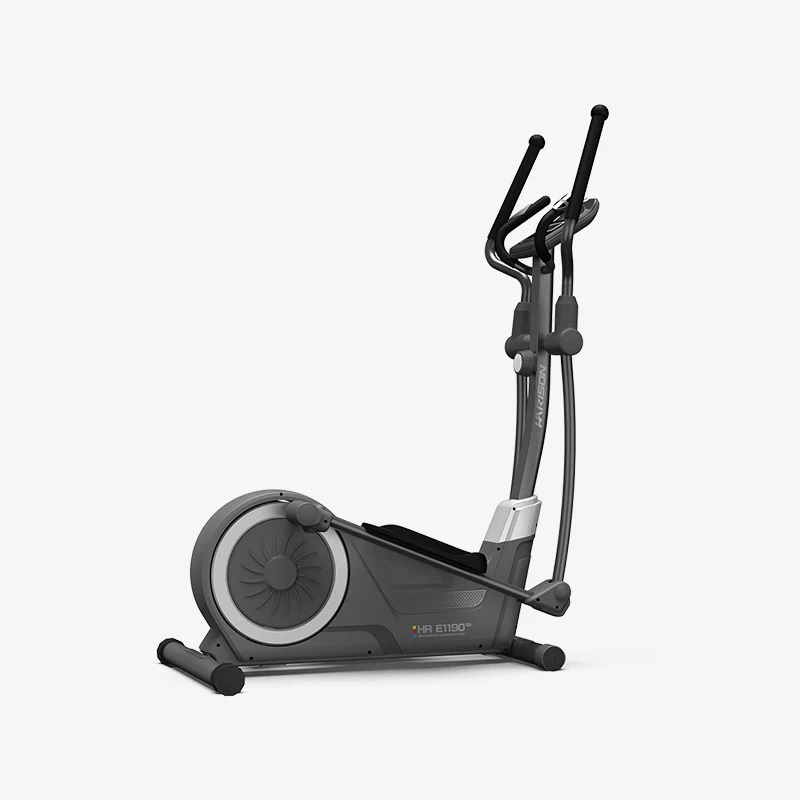
– Zero impact. Feet never leave the pedals. Perfect for slow, steady movement throughout the match. 30 minutes of moderate elliptical burns about 220-280 calories. 

Exercise Bike 

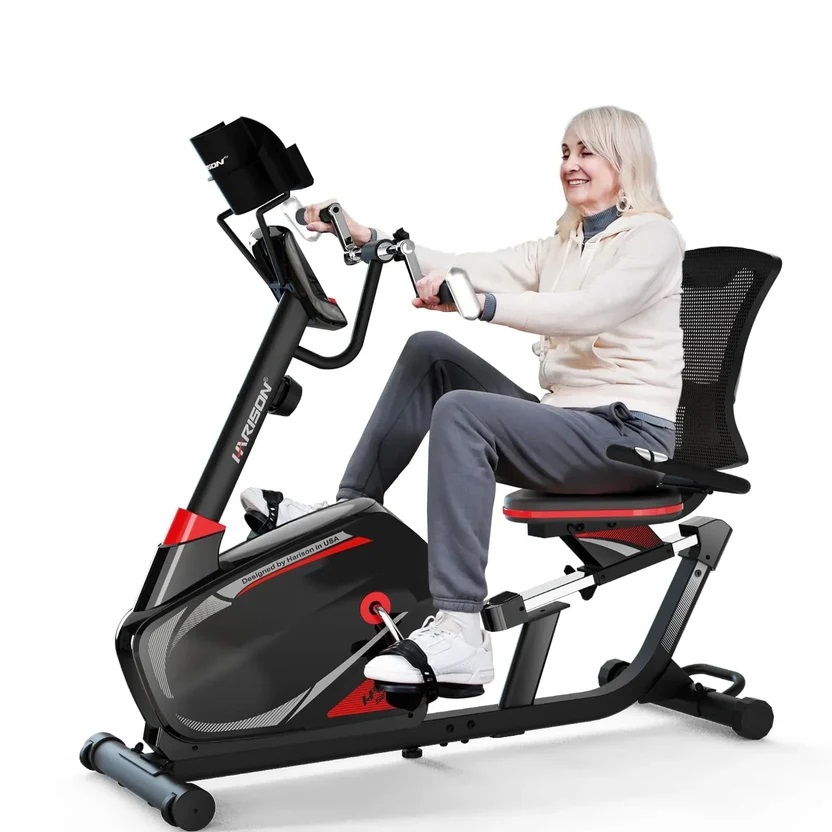
– Low impact and doesn’t block your view. Pedal through the boring stretches of play.

Treadmill (Walking) 

– Walking at 2.5-3.0 mph through the match can burn 150-200 calories without even breaking a sweat. HARISON’s Soft Drop Suspension protects your knees. 

Pro tip: Even 10 minutes of movement per half makes a difference. That’s better than zero minutes. 

Post-Match Recovery

Game over. Your team won (or lost). Now what?

Don’t just collapse back into the couch. Take 5 minutes to stretch. Your hips and back will thank you tomorrow. 

Quick post-game stretch routine:

  • 30-second hamstring stretch each side

  • 30-second quad stretch each side

  • 30-second hip flexor stretch each side

  • 30-second back stretch

That’s 3 minutes. You can spare 3 minutes.

Bottom Line

You don’t have to pick between watching the World Cup and staying fit.

A few movement breaks. Some smart equipment placement. And a little bit of discipline during the 15-minute halftime window.

HARISON builds home gym equipment that fits your life — not the other way around. Cardio machines with U.S. quality inspection. Free shipping. No subscription fees.

Watch the game. Move your body. Enjoy every minute. 🇺🇸

FAQ

1. How much time should I spend working out during a World Cup match?

Even 10-15 minutes of active movement per half makes a difference. Start there. 

2. Which cardio machine is best for watching TV?

Elliptical or exercise bike. Both keep you moving without blocking your view. 

3. Can I watch the World Cup on my treadmill?

Absolutely. Position it in front of the TV. HARISON treadmills have cushioned decks so walking is joint-friendly. 

4. Does HARISON make World Cup-themed fitness equipment?

No – we make solid cardio equipment that helps you stay active through any season, including World Cup season.

5. How many calories can I burn watching a match?

Walking on a treadmill through a full match (90+ minutes) can burn 300-500 calories depending on your pace and weight.

Struggling to learn the breaststroke or swim fast? Here’s a guide to the core fundamentals.

If you have any queries or suggestions, please feel free to reach out via email to info@harisonfitness.com. We will do everything in our capacity to ensure that you love your experience with us.

Among the various swimming strokes, the breaststroke is one of the most technically complex, involving numerous changes in the direction of the limbs and differing significantly from other strokes, making it relatively difficult to learn. To master the breaststroke, you must put in the effort to thoroughly learn the basic stroke and kicking technique.

The breaststroke technique constantly changes as the swimmer moves forward, adapting to the movements of the arms, legs, and breathing; therefore, there is no fixed body position. Furthermore, because the underwater arm pull and leg recovery in the breaststroke create significant drag, the forward speed is not as consistent as in the freestyle or backstroke. For beginners, minimizing drag is therefore the most critical aspect of learning the breaststroke. When learning to reduce drag, it is important to maintain a streamlined body position throughout the stroke by tucking the chin, slightly shrugging the shoulders, and extending the limbs as much as possible.

01 The Breaststroke Technique

When swimming the breaststroke, try to maintain a smooth, streamlined body position. This requires paying attention to the following points:

Before beginning the arm stroke, keep your head in line with your body, eyes focused on the bottom of the pool, and arms extended forward. Slightly lower your shoulders and chest to allow your hips and legs to float higher on the water’s surface. The key points of this phase are “head low, feet high; gliding downhill.”

During the arm stroke, the hips should be close to the water’s surface, aligned with the body and legs. The legs and feet should be together and extended. During the kick, the face and torso should be submerged, with the torso maintaining a horizontal position.

02 A body posture that undulates like waves

Since the body position in the breaststroke is not fixed, when learning the stroke, you can refer to the “undulating” body position currently used by most breaststroke swimmers:

As the arms pull inward, the shoulders naturally rise to facilitate exhalation and inhalation as the arms exit the water. When inhaling, there is no need to deliberately lift the head; keep your eyes looking downward and your chin slightly tucked. At the end of the pull, as the arms extend forward, the body arches upward, using the propulsive force generated by the kick to smoothly submerge the head and shoulders into the water. After one full stroke cycle, the body returns to a streamlined position.

When swimming using a “wave-like undulating” body posture, pay attention to the changes in the position of your shoulders and hips. Throughout the entire cycle, your shoulders remain above the water most of the time; even when submerged, they are only a few centimeters below the surface. As your shoulders submerge, your hips and lower back rise to a higher position; when your shoulders are at their lowest point, your hips are at their highest, and vice versa.

It is important to note that although the body moves in a “wave-like” pattern throughout the stroke, the body’s center of gravity remains stable, generally staying about 10 cm below the water’s surface and maintaining a straight line throughout the entire swim.

03 Breaststroke Leg Movement
Leg movement is far more important in the breaststroke than in other swimming strokes. This is because the breaststroke leg movement not only helps maintain body balance but also generates significant propulsion. The breaststroke leg movement can be divided into several parts: “leg pull-in, outward rotation, kick-and-squeeze, and glide.”

The leg pull-in phase involves bending the knees and hips. As the knees are pulled forward, they gradually spread apart, the ankles extend, and the calves and heels move behind the thighs. The hips are pulled forward within their projected plane to minimize drag. The leg pull-in movement stops when the feet approach the hips.

The outward rotation phase consists of two parts: rotating the feet outward and rotating the calves outward. Immediately after the leg-tuck, the feet are turned outward so that the toes point outward, while the knees internally rotate, aligning the inner sides of the feet and calves with the direction of the kick.

During the kick-and-squeeze phase, we must maintain internal rotation of the calves and feet, using internal rotation of the thighs and hip extension to drive the calves backward through the water. Note that the entire movement should be fast and fluid.

After the kick and pull phase ends, there is a brief glide caused by the momentum generated by the kick. During this glide, it is important to keep your legs straight and together, relax your leg muscles and ankles, and conserve energy in preparation for the next stroke.

Learning the breaststroke can be challenging, which is why it’s essential to dedicate effort to mastering the fundamental techniques and building a solid foundation from the very beginning. This will make advancing to more advanced breaststroke techniques easier and more efficient.

What to Do About Stomach Problems? You Need to Change These Habits!

If you have any queries or suggestions, please feel free to reach out via email to info@harisonfitness.com. We will do everything in our capacity to ensure that you love your experience with us.

If you’re suffering from stomach pain and don’t take it seriously—just popping a painkiller to get by—even a stomach made of steel wouldn’t be able to handle it! Take note of these bad eating habits that harm your stomach and take action now to prevent stomach problems!

01 Overeating

After going without food for a long time, it’s easy to wolf down food and stuff it into your mouth without restraint, but eating large amounts is a strain on the stomach. Overeating can lead to dizziness, lethargy, bloating, diarrhea, or constipation, and may even cause acute gastroenteritis; in severe cases, it can result in gastric bleeding. Therefore, try to avoid overeating and do not let yourself go too long without eating; leave about one-third of your stomach empty at each meal to allow for natural expansion and peristalsis.

02 Overprocessing of Ingredients

It must be acknowledged that the various seasonings, additives, and refined foods found in modern diets make meals more appetizing and increase our desire to eat. However, these overly processed foods are not necessarily healthy, and they are particularly unsuitable for people with suboptimal health or those who are trying to lose weight or reduce body fat, as they can place a certain burden on the stomach.

People often believe that foods like plain congee or noodles simmered for a long time are easy to digest and suitable for when one has no appetite, but they do not actually nourish the stomach. On the contrary, most people with stomach ailments should limit their intake of beverages and foods like rice soaked in soup. The principle of “use it or lose it” applies here: consuming these foods over the long term can actually cause the stomach’s digestive capacity to deteriorate.

Take pickled foods, for example. They contain high concentrations of salt, and excessive consumption or improper preparation can damage the gastrointestinal mucosa, leading to gastric mucosal congestion, edema, and a higher incidence of gastrointestinal inflammation and gastric ulcers. More seriously, the nitrite content in pickled foods may exceed safety limits, potentially leading to stomach cancer. Therefore, it is still recommended to focus on consuming fresh foods.

03 Skipping breakfast and having a taste for spicy food

Office workers who frequently rely on takeout for their meals should be aware that, due to cost considerations, the nutritional balance of takeout meals is often unscientific. The use of oil, salt, and other seasonings is typically unhealthy, resulting in food that is greasy and salty. Eating too much of this can easily lead to loss of appetite and indigestion. Those who prefer strong flavors—even opting for spicy foods as late-night snacks—should also be cautious. If meals contain large amounts of chili peppers, black pepper, ginger, or garlic, they can irritate the stomach, leading to congestion and swelling of the gastric mucosa, as well as erosion and acute gastritis.

Some people are also picky eaters who avoid fruits and vegetables. It’s important to know that regularly consuming vegetables and foods rich in dietary fiber helps maintain a healthy gut microbiome, promotes intestinal motility, effectively treats constipation, and helps eliminate toxins from the intestines. Additionally, those with sensitive stomachs should avoid eating extremely hot food too quickly, as this can directly damage the mucous membranes of the esophagus and stomach.

After a night’s sleep, the food consumed the previous day has been almost completely digested. Skipping breakfast leaves the stomach empty all morning, yet the stomach continues to contract as usual; the gastric acid secreted during this time can damage the stomach lining.

04 Neglecting Public Health
Failing to use serving chopsticks when dining with others provides pathogens like Helicobacter pylori with a perfect opportunity to spread rapidly. Good public health practices—such as serving food individually, washing hands regularly, avoiding meals in dirty or unsanitary environments, and maintaining clean eating habits—can help prevent this.

“Stomach ailments” start in the mouth, but people have the power to take control. If you don’t take your eating habits seriously, don’t blame your stomach for giving you trouble!