
What can I do about joint pain after childbirth?
If you have any queries or suggestions, please feel free to reach out via email to info@harisonfitness.com. We will do everything in our capacity to ensure that you love your experience with us.
Many new mothers focus all their attention on their babies after giving birth, and if they neglect their own health even slightly, they may find themselves in a state of suboptimal health. In the first few months or even up to six months after the baby is born, some mothers experience frequent pain in certain joints. This is a common condition known as postpartum joint pain. The joints most prone to pain after childbirth include the finger joints, wrist joints, pelvic joints, shoulder joints, knee joints, hip joints, and the lumbar spine. Symptoms primarily manifest as pain in the hands, wrists, hips, shoulders, knees, and lower back.
01 Why Do Women Experience Joint Pain After Childbirth?
1. Nerve compression:
During pregnancy, the total volume of fluid circulating in the mother’s body increases, causing ligaments in areas such as the wrists to swell. This puts pressure on the nerves that control the fingers, leading to symptoms of numbness and pain in the hands.
2. Engaging in Heavy Physical Labor Too Soon or Exposure to Cold:
If a new mother engages in household chores too soon or for too long, holds her baby for extended periods, or comes into contact with very cold water, it can place excessive strain on her joints, tendons, and ligaments. This can lead to pain in the wrists and finger joints, resulting in the most common condition known as “mommy wrist” (tenosynovitis).
3. Lack of activity during the postpartum recovery period:
Many mothers engage in very little physical activity during their postpartum recovery, and some even remain bedridden. This can cause the natural fat pad under the heel to thin, significantly reducing its ability to support body weight and absorb shock during movement.
02 How to Relieve Joint Pain
I. Minimize movement of the painful area and get plenty of rest
When mothers feel significant pain in the affected area, they should immediately stop or slow down their movements.
II. Use massage or acupressure to relieve pain
· Use massage to relieve pain. When massaging, use the base of your palm to make circular, clockwise motions;
· Applying firm pressure with your thumb to the painful area can also provide some relief.
III. Perform appropriate joint mobility exercises
Pain in the hands and wrists:
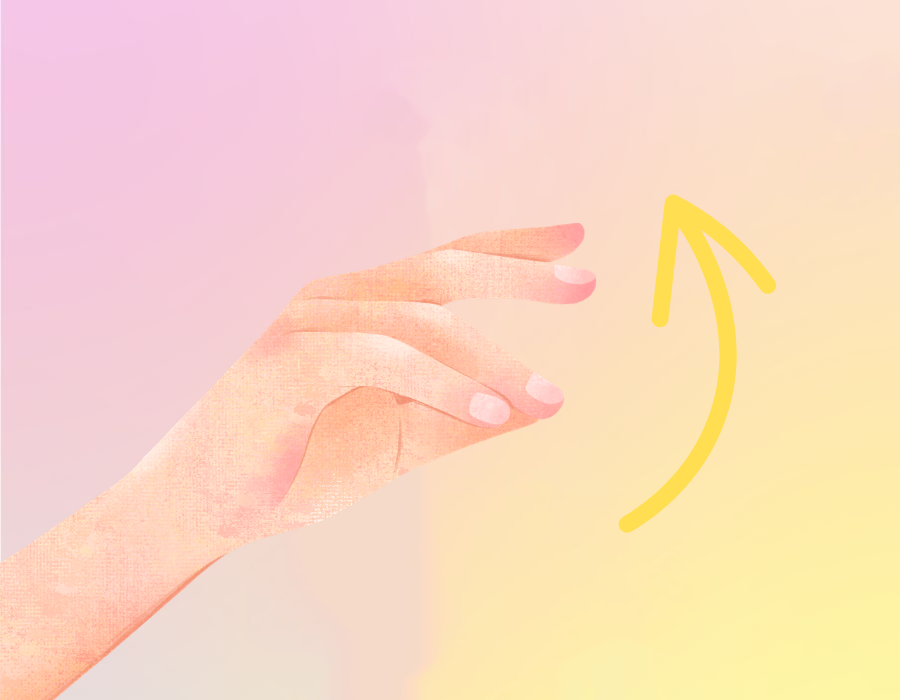
1. Wrist joint mobility exercises: Relax both hands and move your wrists back and forth or side to side.
2. Joint stretching exercises: Use one hand to assist the other in stretching; you can bring your fingers toward your body, either pointing upward or downward.
3. Flexor tendon gliding exercise: Bend your fingers and repeat this motion.
4. Wrist extension exercise: Hold a card and lift it while rotating your wrist upward.
5. Grip strength exercise: Use a ball-shaped object to practice strengthening your finger grip.
Shoulder, Neck, and Lower Back Pain:
1. Scapular Squeeze Exercise:
Cross your arms behind your back and pull your shoulders back as far as possible to fully squeeze your shoulder blades together.
2. Shoulder and Neck Stretch:
Sit cross-legged with a natural posture, keeping your spine extended. Inhale as you spread your arms out to the sides; exhale as you stretch to one side, placing the top hand on the opposite ear and lightly touching the ground with the fingertips of the lower hand. Repeat for three sets of 10 repetitions each, coordinating with your breath.
3. Back and Lower Back Stretching Exercises
Kneel with your knees spread apart. Pass one arm under the armpit of the opposite arm, extend the upper arm outward, and point your fingertips forward. Hold this position for 1–5 minutes, depending on how tight you feel, then switch sides and repeat.
After giving birth, mothers’ bodies tend to be quite weak, so it is essential to take good care of your health. If you experience postpartum joint pain, you can also use appropriate methods to improve your condition and recover as quickly as possible.


Leave a Reply
Want to join the discussion?Feel free to contribute!