
Sculpt Your Sanctuary: Building the Perfect Home Gym on a Budget
The appeal of a home gym has never been stronger. With escalating monthly membership fees, crowded commercial weight rooms during peak hours, and the sheer convenience of working out on your own schedule, building a personal workout space is the ultimate lifestyle upgrade. However, a common misconception stops many fitness enthusiasts in their tracks: the belief that a home gym requires thousands of dollars and an entire dedicated room.
In 2026, building a high-performance home gym is more accessible and cost-effective than ever. With smart space-saving engineering, affordable high-grade modular equipment, and AI-driven fitness apps that replace expensive personal trainers, you can create a versatile training sanctuary without breaking the bank [1]. Whether you have a spare bedroom, a corner of your living room, or a modest garage, this comprehensive guide will walk you through how to strategize, budget, and build the ultimate home gym tailored to your goals.
Step 1: Define Your Fitness Goals and Space
Before you spend a single dollar on equipment, you need a clear blueprint. Impulse-buying heavy machinery without a plan is the fastest way to clutter your home and drain your wallet.
Assessing Your Training Style
Your equipment choices must reflect what you actually enjoy doing. Are you a powerlifter focused on compound movements? A bodybuilder targeting hypertrophy? A runner or cyclist building cardiovascular endurance? Or are you looking for functional, full-body fat-loss workouts?
– Strength-focused setups require adjustable dumbbells, a sturdy bench, and perhaps a compact squat rack.
– Cardio-focused setups benefit from a foldable treadmill, a magnetic exercise bike, or a space-saving rowing machine.
– Hybrid functional setups rely on resistance bands, kettlebells, suspension trainers, and a modular flooring system.
Measuring and Zoning Your Space
You do not need a 500-square-foot basement. A functional workout zone can be established in as little as 36 to 50 square feet (e.g., a 6×6 or 5×10 foot area).
– Ceiling Height: Ensure you have enough clearance overhead for overhead presses, jumping jacks, or ceiling fans.
– Flooring Protection: Invest in high-density rubber puzzle mats (at least 3/8-inch thick). They protect your flooring from dropped weights, dampen sound for downstairs neighbors, and provide a stable, non-slip gripping surface for your joints.
Step 2: Tiers of Budgeting — What Your Money Buys in 2026
To avoid financial overwhelm, it helps to break your budget down into scalable tiers. You do not need to buy everything at once; many fitness enthusiasts build their gyms incrementally over several months.
| Budget Tier | Estimated Cost | What You Can Get | Best For |
| **Tier 1: Starter Kit** | Under $300 | Resistance bands, adjustable dumbbells (up to 50 lbs), jump rope, exercise mat, pull-up bar. | Beginners, calisthenics enthusiasts, apartment dwellers with tight spaces. |
| **Tier 2: Intermediate Core** | $300 – $800 | Foldable weight bench, heavier adjustable dumbbells, kettlebell set, suspension straps, compact folding cardio bike or treadmill. | Intermediate lifters, weight loss seekers, balanced cardio/strength routines. |
| **Tier 3: Advanced Home Gym** | $800 – $2,000+ | Budget-friendly power/squat rack, Olympic barbell and bumper plates, flat/adjustable utility bench, magnetic resistance cardio machine, premium rubber flooring. | Serious strength trainers, powerlifters, multi-user households. |
Step 3: Essential Equipment — Where to Invest vs. Where to Save
When operating on a budget, resource allocation is everything. Some equipment must be purchased with durability and safety in mind, while other items can be acquired cheaply without compromising your workout quality.
Where to Invest (Safety & Durability)
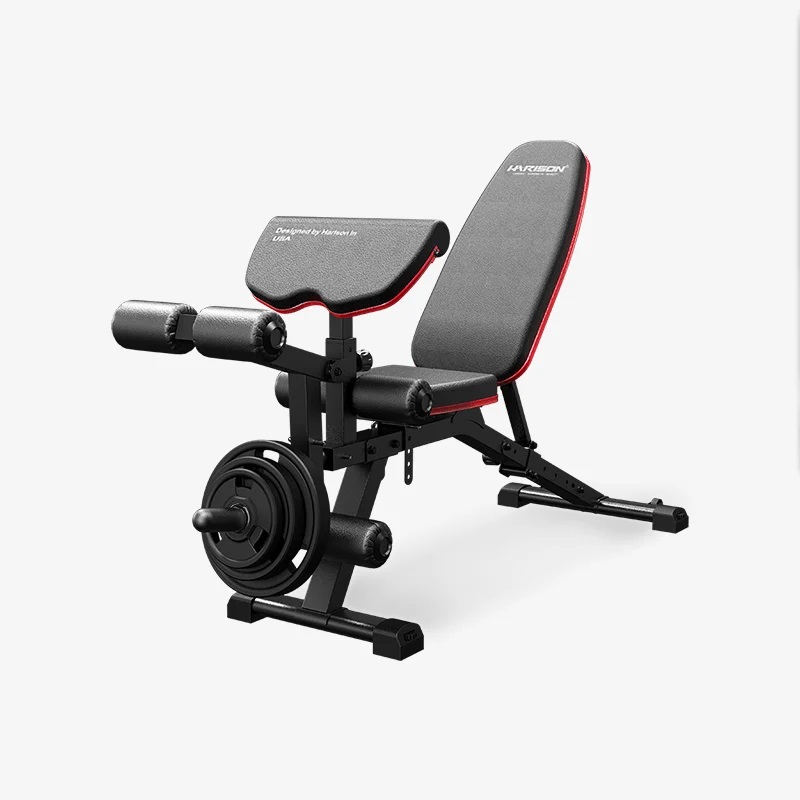
- The Weight Bench:A wobbly bench is dangerous when you are pressing heavy weights overhead or across your chest. Invest in a solid, heavy-duty flat-to-incline utility bench with a high weight capacity.
HARISON HR-609 Adjustable Weight Bench
- Barbells and Racks:If your routine involves heavy squats or bench presses, never compromise on a certified power rack and a high-tensile-strength steel barbell. Look for reliable budget brands that maintain structural integrity and safety pin-safeties.
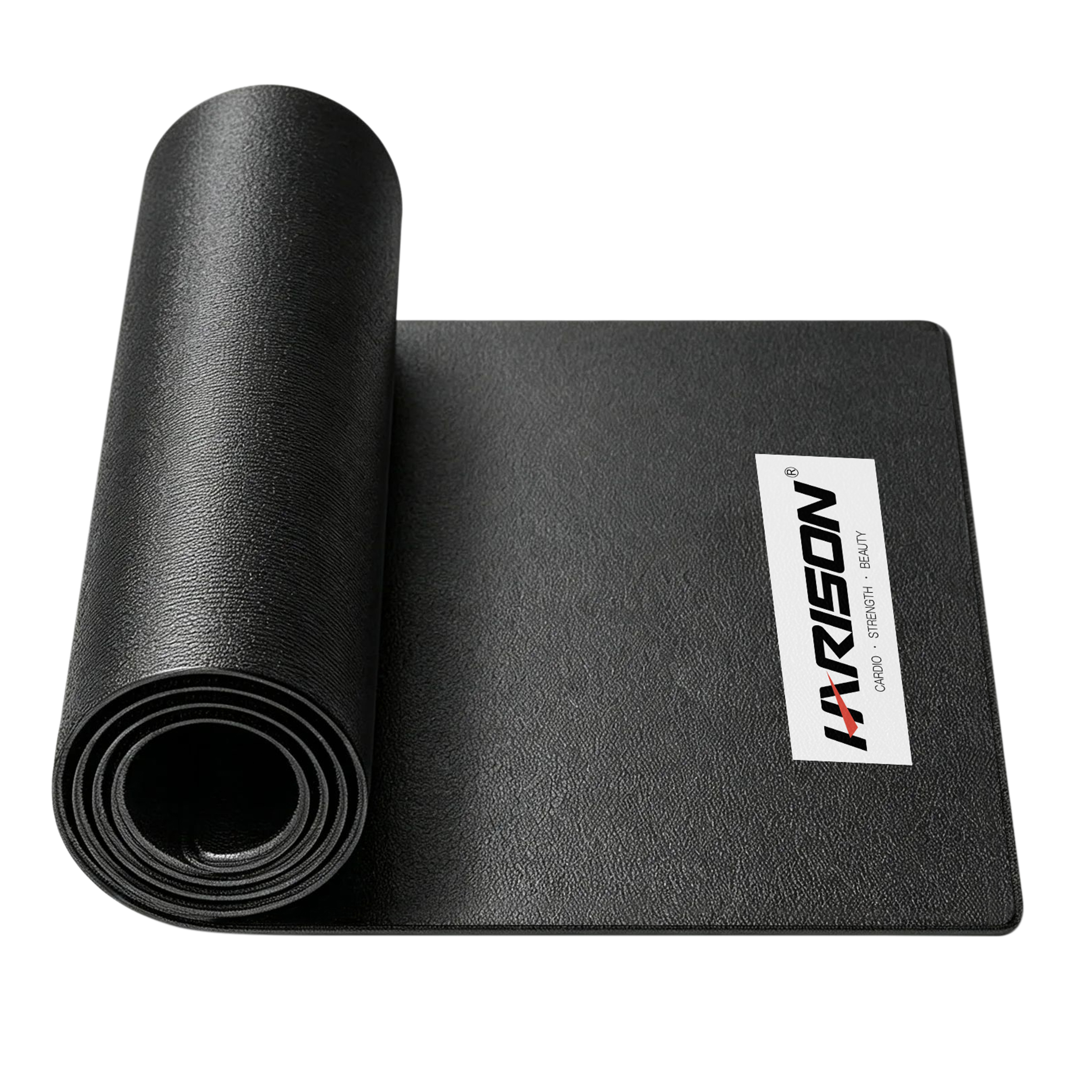
- Flooring:Cheap, thin foam mats tear easily and offer zero shock absorption. High-density vulcanized rubber mats last for decades and protect both your subfloor and your equipment.
HARISON HR-001 Exercise Equipment Mat
Where to Save (Smart Budgeting)
- Dumbbells:Fixed heavy dumbbells take up massive space and cost a fortune per pound. Instead, invest in a quality pair of adjustable selectorized dumbbells (ranging from 5 to 50 or 90 lbs). They replace an entire rack of weights at a fraction of the cost.
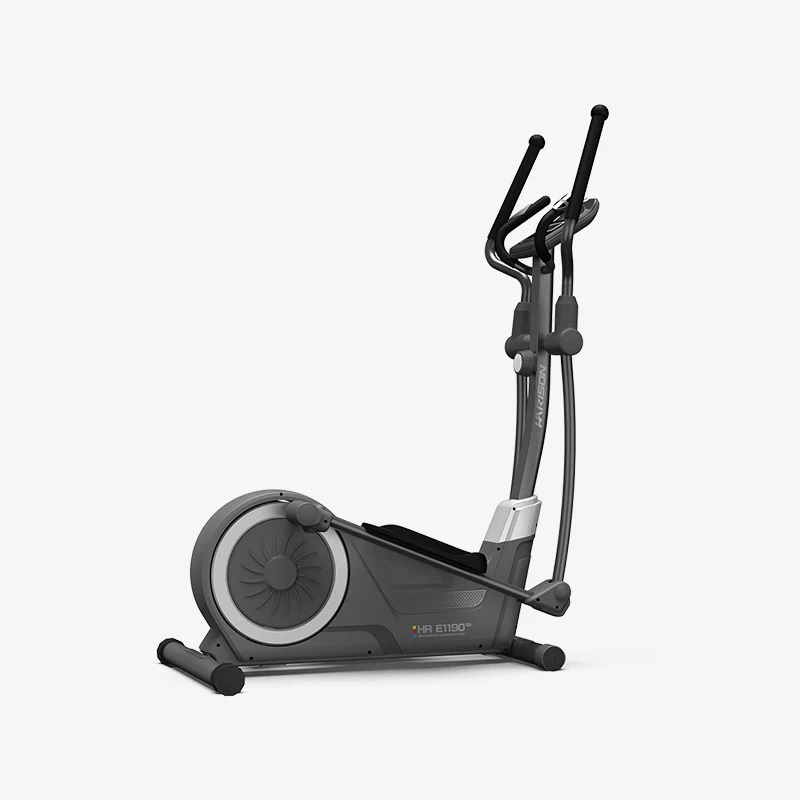
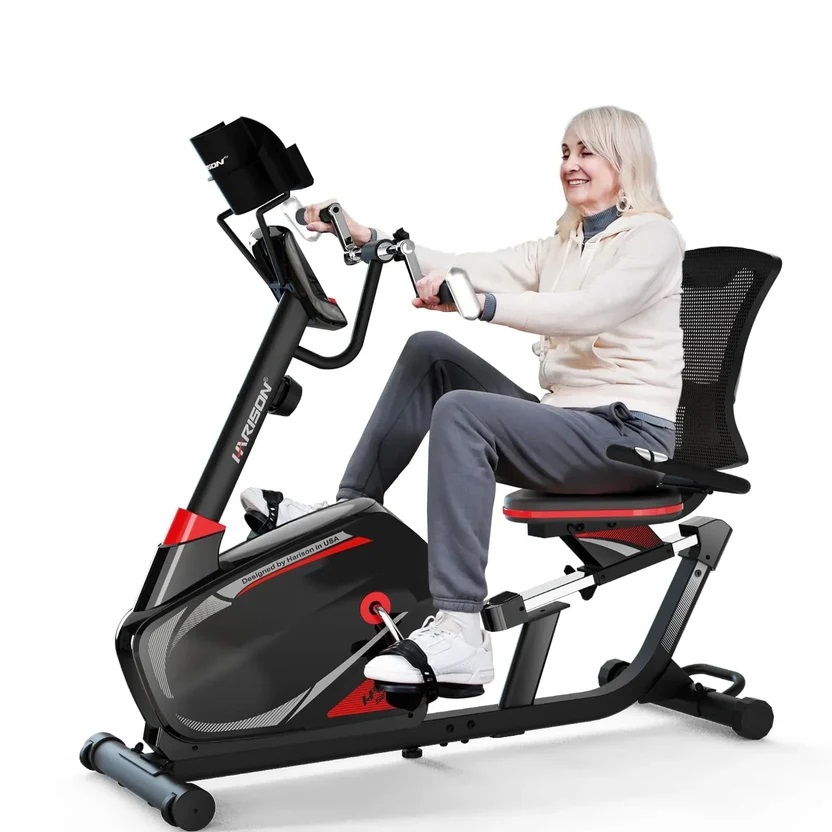
- Cardio Machines:Brand-new commercial-grade treadmills can cost upwards of $4,000. In 2026, the market is flooded with compact, folding, motorless curved treadmills or smart magnetic resistance bikes designed specifically for home use, offering exceptional performance under $800
HARISON HR-E1190 Eco Intelligent Elliptical Machine
HARISON HR-B8A Re Home Recumbent Exercise Bike
- Accessories:Resistance bands, ankle straps, push-up handles, and slam balls do not need to be luxury brands. Functional utility items perform identically across price points.
Step 4: Maximizing Small Spaces and Storage
One of the biggest hurdles of home gym ownership is visual clutter and spatial obstruction. Keeping your workout area tidy ensures you will actually want to use it.
– Vertical Storage: Utilize wall-mounted racks for barbells, resistance bands, yoga mats, and jump ropes. Keeping gear off the floor instantly doubles your usable workout space.
– Foldable and Mobile Gear: Look for equipment featuring transport wheels or folding mechanisms. A foldable utility bench and a folding treadmill can be tucked away against a wall or inside a closet within 60 seconds after your workout concludes.
– Multifunctional Equipment: Choose items that serve multiple purposes—such as an adjustable bench that converts into a decline/incline setup, or resistance bands that anchor into doors without permanent hardware.
Sample Budget Workout Routine: The 3-Day Full-Body Split
To prove that you don’t need a commercial facility to get results, here is a highly effective, time-efficient full-body routine designed around a Tier 2 home gym setup (adjustable dumbbells, a bench, and bodyweight movements).
Day A: Strength & Hypertrophy Focus
- Goblet Squats (Dumbbell):4 sets x 10–12 reps (60 seconds rest)
- Dumbbell Bench Press (Incline or Flat):4 sets x 8–10 reps (90 seconds rest)
- Single-Arm Dumbbell Rows:3 sets x 10 reps per side
- Dumbbell Romanian Deadlifts (RDLs):3 sets x 12 reps
- Core Plank to Shoulder Taps:3 sets x 45 seconds
Day B: Metabolic Conditioning & Core
- Dumbbell Thrusters (Squat to Overhead Press):4 sets x 10 reps
- Push-Up Variations (Standard/Decline):3 sets to near failure
- Bulgarian Split Squats (Dumbbells):3 sets x 8 reps per leg
- Dumbbell Bicep Curls superset with Tricep Overhead Extensions:3 sets x 12 reps
- High-Intensity Interval Training (HIIT) Jump Rope:10 rounds of 30 seconds work / 30 seconds rest
Step 6: Maintenance and Longevity — Keeping Your Investment in Top Shape
Building your sanctuary is only half the battle; maintaining it ensures that your budget-friendly gear lasts for a decade or more.
– Cleaning Routine: Sweat is corrosive. Wipe down your weight bench, dumbbells, and cardio consoles after every session using a mild, non-abrasive disinfectant. This prevents rust on metal surfaces and stops upholstery from cracking.
– Bolt Tightening: Once a month, check the bolts on your squat rack and weight bench. Vibrations from repeated use can loosen hardware over time, which can compromise structural safety.
– Lubrication: If you have a treadmill or a rowing machine, follow the manufacturer’s guidelines for lubricating the belt or the chain. A small amount of maintenance prevents expensive motor failures or mechanical wear.
– Storage Habits: Avoid leaving heavy weights on your barbell or bench for extended periods. This prevents the bar from developing a permanent bend and keeps the bench padding from becoming permanently compressed.
Conclusion
Building a home gym on a budget is not about compromising on your health—it is about making smart, strategic investments that align with your lifestyle and living space. By prioritizing versatile equipment like adjustable dumbbells and a sturdy bench, leveraging smart mobile fitness apps, and maintaining a clutter-free environment, you can create a professional-grade workout sanctuary right in your home.
Stop waiting for the perfect moment or an expensive gym membership. Clear out a small corner of your room, invest wisely, and take the first step toward transforming your fitness journey today.



Leave a Reply
Want to join the discussion?Feel free to contribute!