
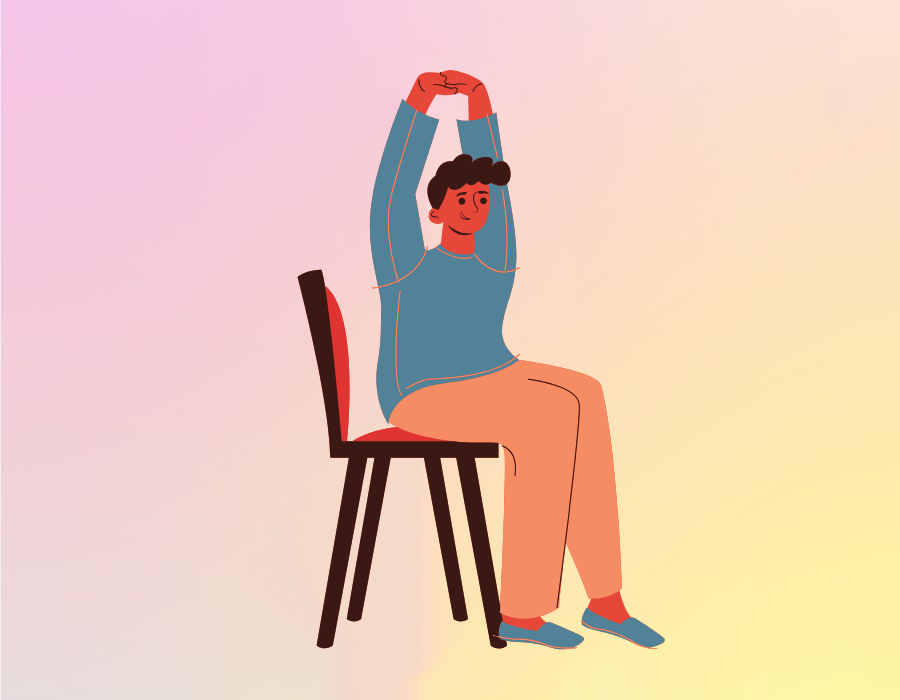
How to Approach Sports Rehabilitation
If you have any queries or suggestions, please feel free to reach out via email to info@harisonfitness.com. We will do everything in our capacity to ensure that you love your experience with us.
People today are paying more and more attention to health and rehabilitation, but figuring out how to approach rehabilitation training is indeed a challenging issue. If your movement habits, lifestyle, and muscle strength remain unchanged, pain will continue to disrupt your life—which is why sports rehabilitation is particularly important.
01 What Is Sports Rehabilitation?
What is sports rehabilitation? Sports rehabilitation is very effective for treating nonspecific neck, back, and lower back pain. Not only does it alleviate pain symptoms and prevent recurrence, but it is also simple and practical—you can do it at home without being restricted by time or location. It is best to follow the guidance provided by a rehabilitation therapist after they have conducted a comprehensive assessment.
02 The Purpose of Rehabilitation Training
Rehabilitation therapy is very helpful for many patients. Although it cannot reverse the damage caused by the condition itself, it can enhance limb function through exercise, maintain good physical condition, and improve quality of life, allowing patients to resume normal exercise immediately upon recovery. Rehabilitation therapy refers to physical activities performed after an injury that promote recovery or improve function.
Rehabilitation training can also enhance joint stability and improve metabolism in the injured area. Except for very severe injuries that require rest and medical treatment, physical activity generally does not need to be completely halted. Appropriate, scientifically guided exercise can accelerate wound healing and has a positive impact on promoting recovery.
03 No Assessment, No Rehabilitation
Finally, a scientific and reasonable rehabilitation plan must be based on an accurate diagnosis. Never attempt to self-diagnose your condition, as an incorrect or incomplete diagnosis can delay and hinder the rehabilitation process. To illustrate, if you receive an incorrect or incomplete diagnosis, it can delay and hinder the recovery from your injury. For example, athletes with lumbar fractures often have concomitant herniated discs; in such cases, forceful lateral manipulation should be avoided during manual therapy. If spondylolisthesis is also present, back muscle strength exercises should avoid hyperextension. Post-injury rehabilitation training must be conducted on the premise of not aggravating the injury or interfering with its healing. General and localized movement should be maintained as much as possible. Furthermore, the earlier exercise of the muscles in the injured area begins, the better.
Rehabilitation training programs should follow the principles of comprehensive training, gradual progression, and appropriate exercise intensity. During the injury healing process, the range of motion, frequency, duration, and intensity of rehabilitation exercises should all be increased gradually. Otherwise, the injury may worsen or the healing process may be impaired, potentially leading to a chronic injury that fails to heal.
Rehabilitation training should combine localized, targeted exercises with comprehensive physical activity. In the early stages of an injury, due to localized swelling, congestion, pain, and functional impairment, the focus should be on comprehensive physical activity, with appropriate localized movements performed only to the extent that they do not exacerbate swelling or pain. As time passes and the injury gradually improves or nears healing, the volume and duration of localized exercises can be gradually increased.


Leave a Reply
Want to join the discussion?Feel free to contribute!