
What are the different types of femoral shaft fractures? How can exercise aid in recovery?
If you have any queries or suggestions, please feel free to reach out via email to info@harisonfitness.com. We will do everything in our capacity to ensure that you love your experience with us.
The bone in the thigh is known as the femoral shaft. Fractures in this area are very common, and a fracture here can impair lower limb function. If the fracture is not properly treated or if recovery is inadequate, the effects can last a lifetime. Generally speaking, people tend to think of a femoral shaft fracture simply as a broken bone, but this is only the surface of the issue; in reality, femoral shaft fractures are classified into many different types.
01 How many categories are there for shaft fractures?
Fractures can be divided into two main categories based on whether one end of the fracture is exposed: closed fractures and open fractures.
1. A closed fracture refers to a fracture in which the skin remains intact and the break occurs internally. Regardless of how many pieces the bone is broken into or whether the fragments are in contact with each other, as long as the broken bone is not exposed, it is classified as a closed fracture.
2. An open fracture is one in which the skin is broken. Based on the extent of the wound, the presence of muscle necrosis, whether the wound is contaminated, the integrity of the arteries, and the severity of the injury, open fractures are classified into six types, ranging from mild to severe.
02Complications that may result from a femoral fracture
1. Vascular Injury
If you suffer a traumatic injury, such as a blow or a cut from a sharp object, bleeding is likely to occur, making vascular injury a strong possibility. In such cases, if the bleeding can be stopped, there is no immediate cause for alarm. However, if the bleeding is severe and uncontrollable, surgery must be performed immediately; otherwise, damage to a major artery could occur, potentially putting your life at risk.
2. Nonunion
Generally, a fracture takes about three months to heal. If it has not healed after three months, it is considered delayed healing. However, if it has not fully healed after six months, this is classified as nonunion.
3. Re-fracture
This condition typically occurs in the elderly, who often suffer from osteoporosis. Prolonged bed rest further compromises bone quality, making them extremely susceptible to re-fractures. If there is no displacement, immobilization with a brace is sufficient; however, if displacement is present, surgical treatment is required.
03How to Recover Through Exercise
Exercise 1: Active Quadriceps Contraction
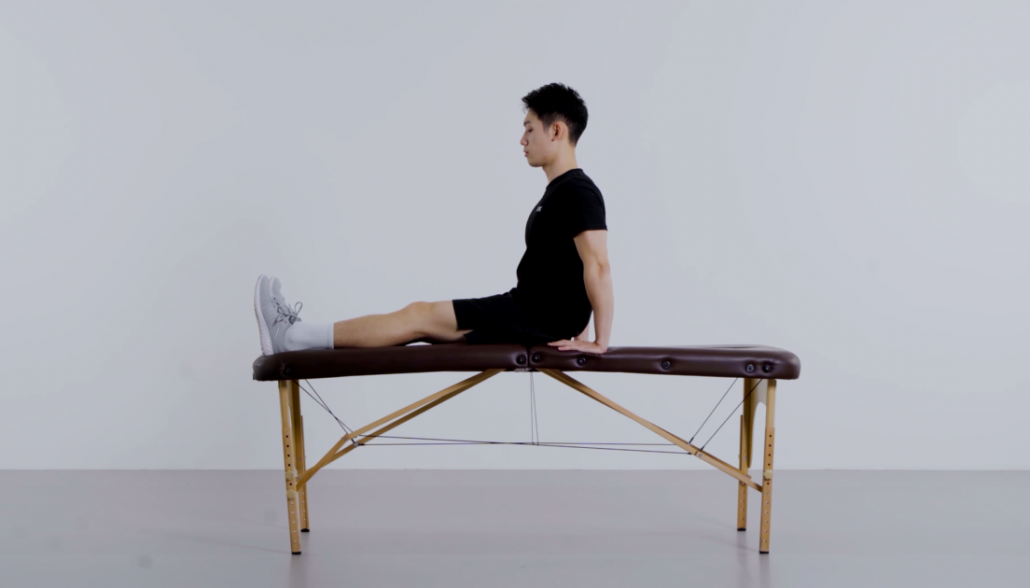
Instructions: Lie on your back or sit on the bed with your upper body upright and your arms extended behind you for support. Keep both legs straight, then actively contract the muscles on the front of the affected thigh before relaxing. Repeat this exercise, performing 2 sets of 12 repetitions each.
Exercise 2: Supine Heel Slide
Instructions: Lie on your back with your upper body upright and arms at your sides. Keep the heel of the affected leg on the bed and slide it backward while keeping the unaffected leg stationary. Maintain even breathing throughout the exercise. Repeat this exercise 8 times.
Exercise 3: Seated Internal and External Rotation
Instructions: Sit with your upper body upright and arms hanging naturally at your sides. Keep your thighs parallel to the floor and your calves at a 90-degree angle to the floor. Spread your legs apart, then bring them back together. The range of motion should be within your comfortable limits. Breathe evenly throughout. Repeat this exercise for 2 sets of 8 repetitions each.
Exercise 4: Ankle Pumps
Key Points: Lie on your back with your upper body straight and arms extended behind you for support. Keep your legs straight and move your ankles up and down while maintaining steady breathing. Repeat this exercise 2 sets at a time, with 12 repetitions per set.
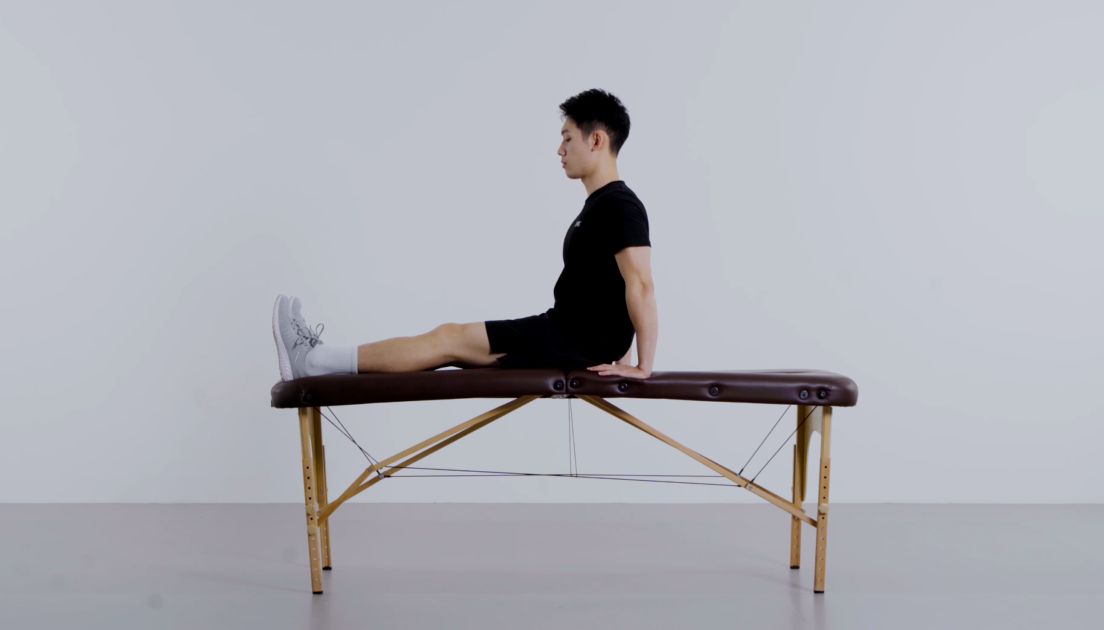
These four exercises can help patients improve lower limb range of motion and prevent postoperative adhesions. Perform the exercises 40 minutes after meals, 2 to 3 times daily.


Leave a Reply
Want to join the discussion?Feel free to contribute!