
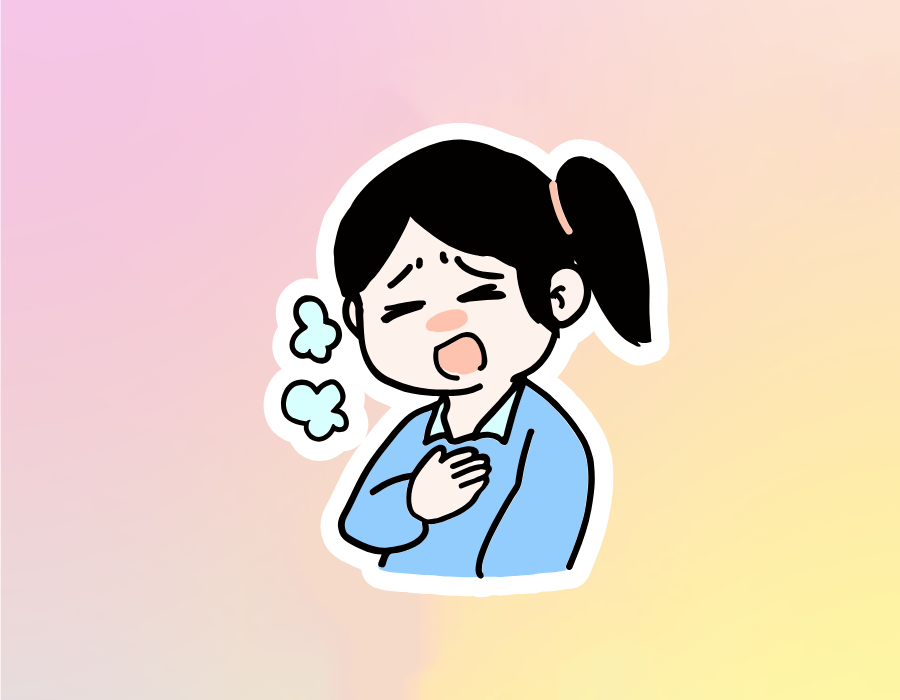
Chest tightness or heart pain when breathing? These could be the causes
If you have any queries or suggestions, please feel free to reach out via email to info@harisonfitness.com. We will do everything in our capacity to ensure that you love your experience with us.
Respiratory diseases should not be taken lightly. As we age, long-term improper breathing habits, unsuitable living environments, and the effects of related conditions can all trigger chest tightness and chest pain during breathing.
01 Causes of Chest Pain When Breathing
1. Diseases of the respiratory system itself, such as bronchitis, tuberculosis, and pneumonia, can lead to chronic coughing. This has numerous adverse effects on the lungs, increasing their workload and causing significant damage to the bronchi. As medical wisdom holds, a prolonged cough is harmful to the body; it can lead to fluid accumulation and cavities in the lungs. At this stage, chest pain is not limited to coughing but is also distinctly felt during breathing.
2. When the weather is excessively dry and the body isn’t getting enough fluids, the mucous membranes of the respiratory tract become dehydrated. With every breath, the dry outside air entering the bronchi and lungs feels like a burning sensation. If the environment is unsanitary, viruses in the air can also enter the respiratory tract, triggering respiratory infections and causing inflammation.
3. During exercise, if you exert yourself too intensely in a short period of time—exceeding your body’s capacity—or about a minute after a long run, your body may reach a “wall.” At this point, you’ll experience extremely uncomfortable pain in your chest and abdomen; even breathing can trigger heartache. This is accompanied by dizziness and a foggy head, leaving you with one overwhelming desire: to stop exercising.
4. As the saying goes, “Eat until you’re only eighty percent full.” There’s no need to keep your stomach and intestines at full capacity or beyond; leave a little room for them so that an overly full digestive system doesn’t squeeze the working space of your chest and lungs. Otherwise, when the lungs are compressed, breathing—especially deep breathing—causes the expanded lungs to naturally squeeze back against the chest cavity, resulting in chest tightness.
In addition, when you’re overly emotional—such as during moments of extreme sadness or anger—and find yourself unable to catch your breath, this can also lead to chest tightness and heart pain. In severe cases, it can result in fainting or a state resembling death. Excessive fatigue and staying up late put your body in a state of exhaustion, and your respiratory system will “protest” by warning you through chest tightness that it’s time to rest.
02 How to Address Shortness of Breath
1. If caused by a medical condition, such as bronchitis or pneumonia, seek immediate medical attention and receive professional treatment. Once the respiratory disease is completely cured, the chest tightness and chest pain will naturally resolve.
2. Drink plenty of water and eat plenty of fresh fruits and vegetables to ensure your body gets the necessary daily fluid intake and to keep your mouth and airways moist.
3. If you experience chest tightness while exercising, you should immediately slow down and take deep breaths. The “wall” typically lasts about 30 seconds; during this time, increase your breathing volume to boost oxygen supply to your body. Once the “wall” passes, the chest tightness will disappear for good.
4. Massage your chest and abdomen. Warm your palms, then gently rub the joints of your chest and apply rhythmic, circular pressure to your abdomen to soothe the “little emotions” of the organs in these areas.
In addition, you can practice proper breathing techniques to increase your lung capacity, improve cardiopulmonary function, and enhance lung vitality.


Leave a Reply
Want to join the discussion?Feel free to contribute!