
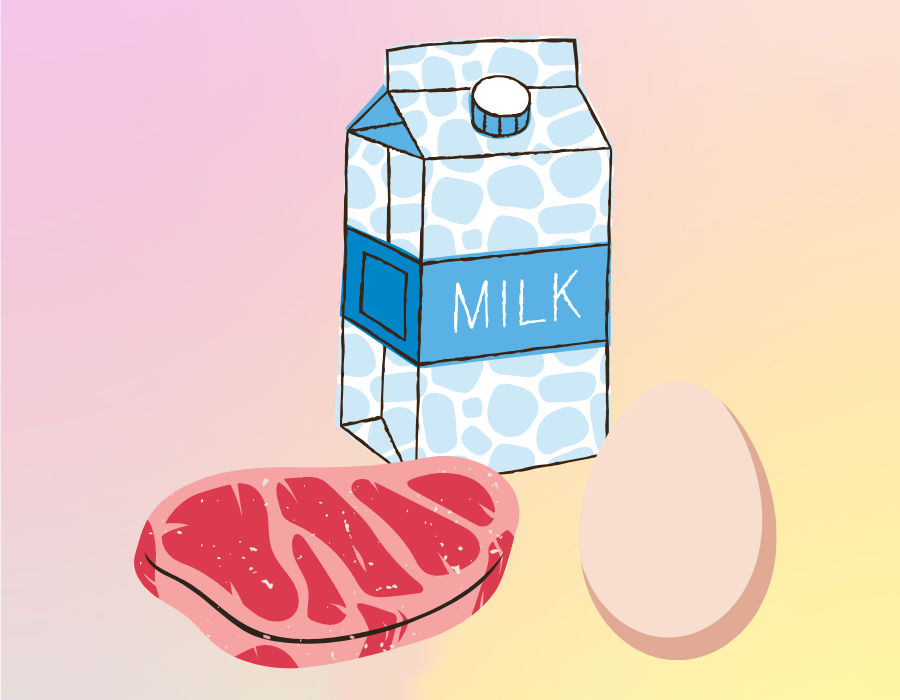
How can older adults follow a low-fat diet?
If you have any queries or suggestions, please feel free to reach out via email to info@harisonfitness.com. We will do everything in our capacity to ensure that you love your experience with us.
Many older adults worry about consuming too much fat, so they try to avoid meat or eat very little of it; some even choose to become vegetarians. In reality, these approaches are based on a misconception about low-fat diets. A low-fat diet does not mean avoiding meat altogether, nor does it mean completely eliminating fat intake. So, how can one eat in a way that avoids excessive fat intake while still meeting the body’s normal nutritional needs?
01 Why Promote a Low-Fat Diet?
Low-salt and low-fat diets are commonly recommended for patients with hypertension, diabetes, coronary heart disease, kidney disease, and hyperlipidemia. The appropriate level of salt intake in a low-salt diet should be determined based on the specific condition. For patients with hypertension or kidney disease, daily salt intake should generally be limited to 3 grams, while those with diabetes but without hypertension should aim for approximately 2 grams. A low-fat diet primarily restricts saturated fatty acids, while allowing moderate intake of unsaturated fatty acids, which are beneficial to health.
02 Are There Any “Side Effects” to a Low-Fat Diet?
A low-fat diet can lead to insufficient protein intake, which is equally harmful to health. The low-fat diet we advocate actually consists of two components: first, controlling total fat intake to prevent excess energy intake; and second, balancing the ratio of fatty acids to avoid excessive intake of saturated fatty acids.
One gram of fat provides 9 kcal of energy, which is significantly higher than the 4 kcal provided by 1 gram of protein (1 gram of carbohydrates also provides 4 kcal). Therefore, fat has the highest energy density, and excessive intake can easily lead to an energy surplus and result in obesity. At the same time, animal fats—particularly those in red meat—are high in saturated fatty acids, which pose a significant risk to cardiovascular and cerebrovascular health.
Specifically, to follow a low-fat diet, the following measures should be taken:
1. Limit the intake of fatty foods (such as meat, dairy products, and cooking oils).
Even lean pork contains about 20% animal fat that is invisible to the naked eye, so the elderly should consume red meat in moderation. The total daily intake of red meat, poultry, and seafood should not exceed 150 g. Avoid fatty cuts of meat, chicken skin, and other high-fat foods as much as possible.
2. Daily cooking oil intake should not exceed 25 g.
Even vegetable oils are not low in fat; in fact, refined vegetable oils contain as much as 99% fat. The best way to limit cooking oil intake is to reduce frying and deep-frying during food preparation.
Polyunsaturated fatty acids are found in vegetable oils, particularly in commonly used oils such as rapeseed oil, corn oil, soybean oil, and peanut oil, each of which has its own benefits. Mixing different types of cooking oils is better for your health than relying on just one.
3. Reduce the frequency of eating out.
To ensure taste and presentation, restaurant food generally uses more oil and salt. Frequent dining out (including takeout) can unknowingly increase your intake of oil and salt.
4. Consume moderate amounts of soybeans and soy products daily.
This helps reduce your intake of saturated fatty acids. Additionally, fish and other seafood provide high-quality protein. Pairing them with grains creates a protein-complementary effect that enhances protein absorption. Minimize your consumption of chicken and duck meat.


Leave a Reply
Want to join the discussion?Feel free to contribute!