HARISON Shines at 2026 China Sport Show, Wraps Up “HARISON Night” Gala with Grand Success 🎉🏋️‍♂️

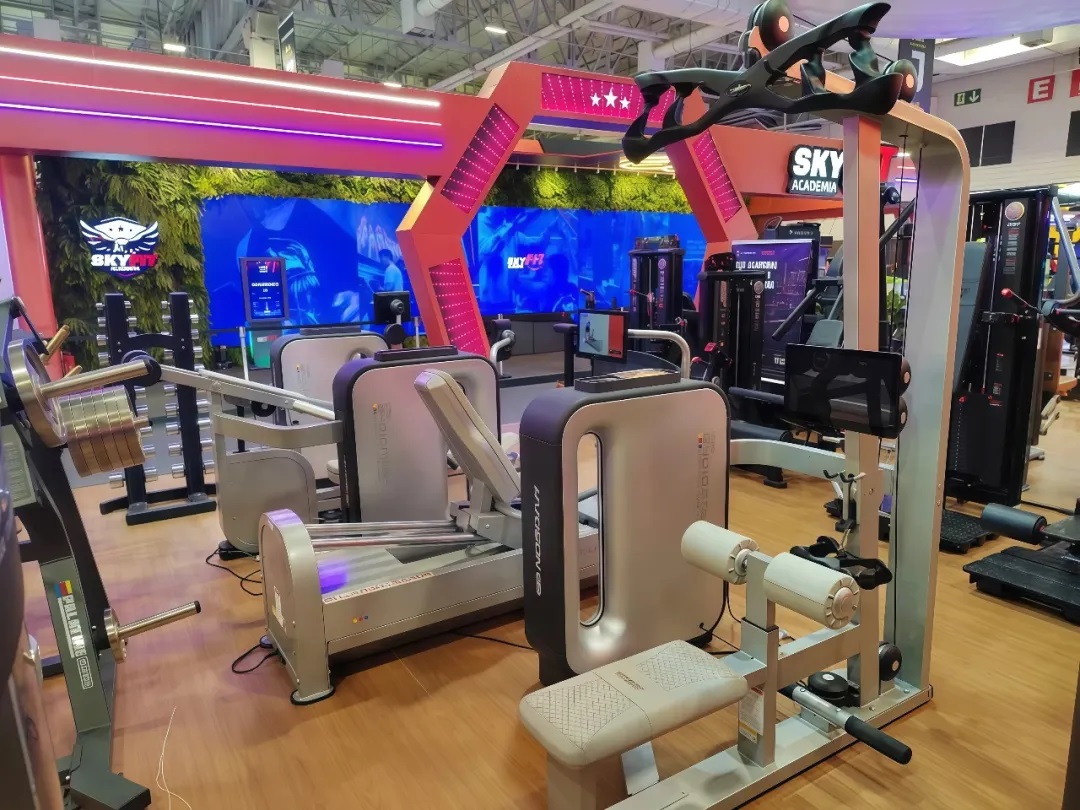
On May 21, the 43rd China International Sporting Goods Show (Sport Show) kicked off at the Xiamen International Conference and Exhibition Center. 🎪 HARISON made a powerful statement at Booth C3012, unveiling its latest product lineup. With a perfect blend of intelligent technology and rugged quality, the brand captured the spotlight on day one 💥, earning widespread praise and overflowing crowds. 👏

HARISON Night

New Products Steal the Show, Booth Packed from Start to Finish 🔥

This year, HARISON focused on cutting-edge innovation, showcasing three major series:
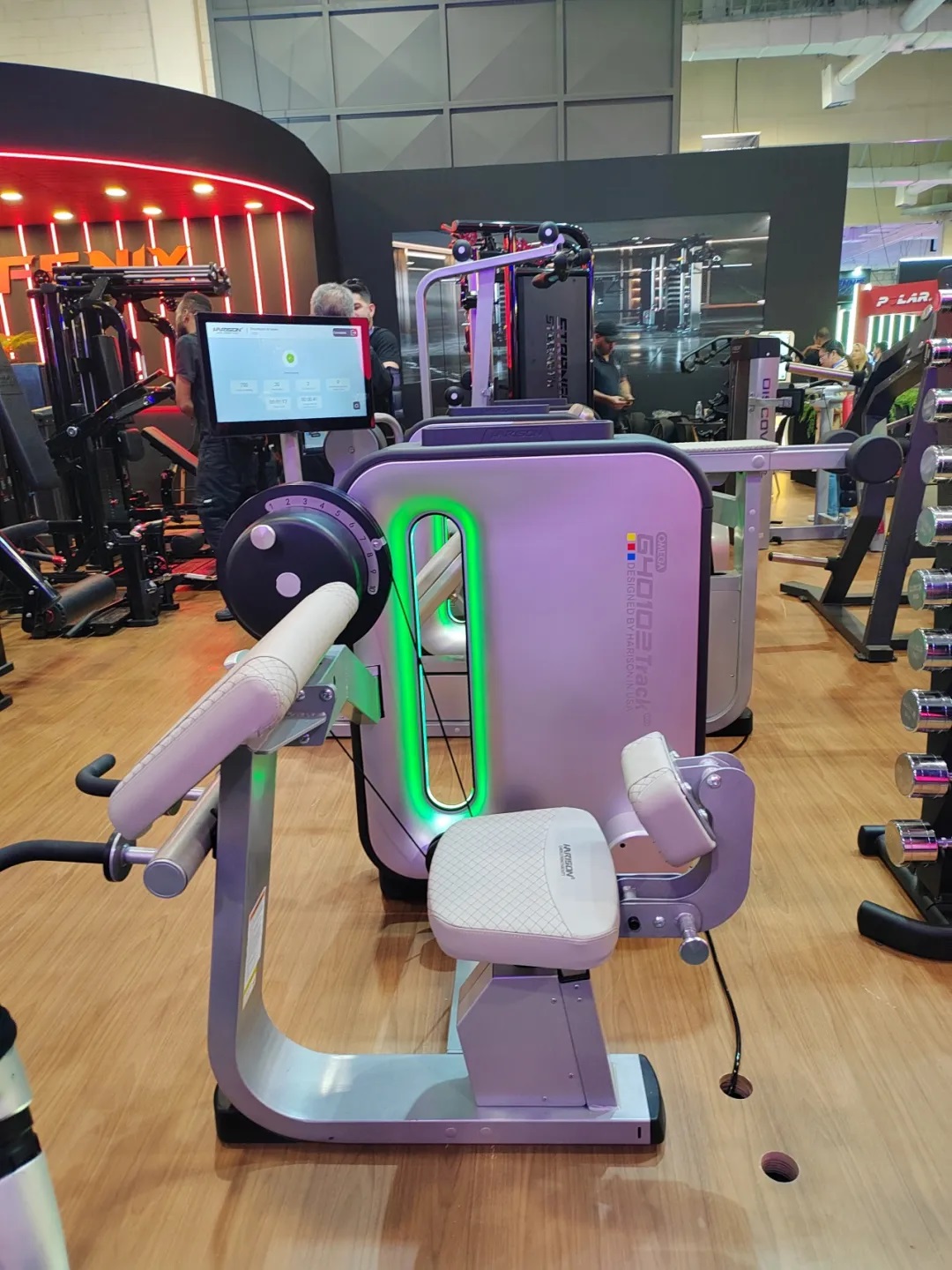
✨ G40 Track Smart Strength Series
✨ G13 Commercial Strength Series
✨ G60 Strength Series

The exhibits fully demonstrated the brand’s R&D strength and forward-thinking design philosophy. 🧠💪

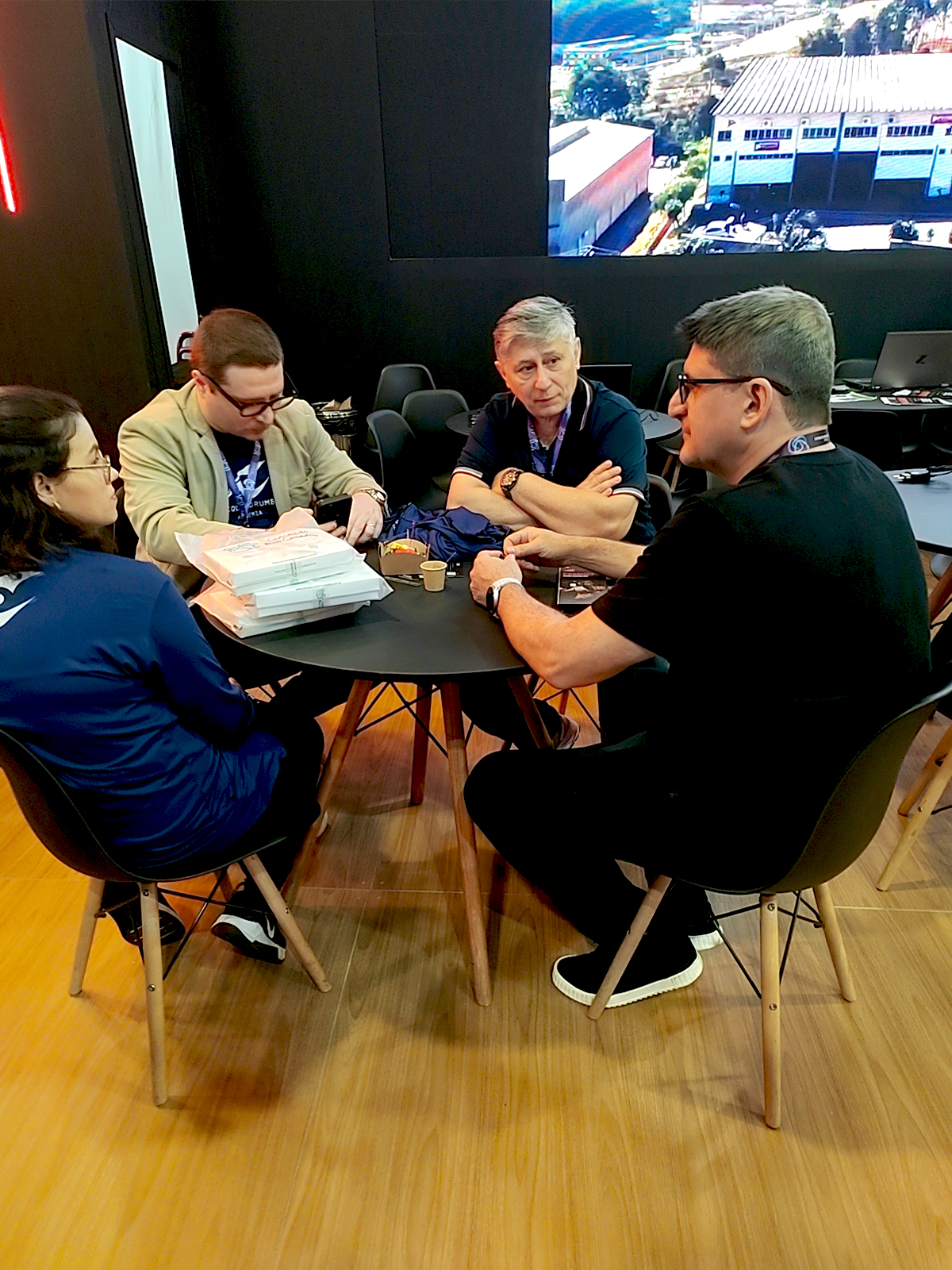
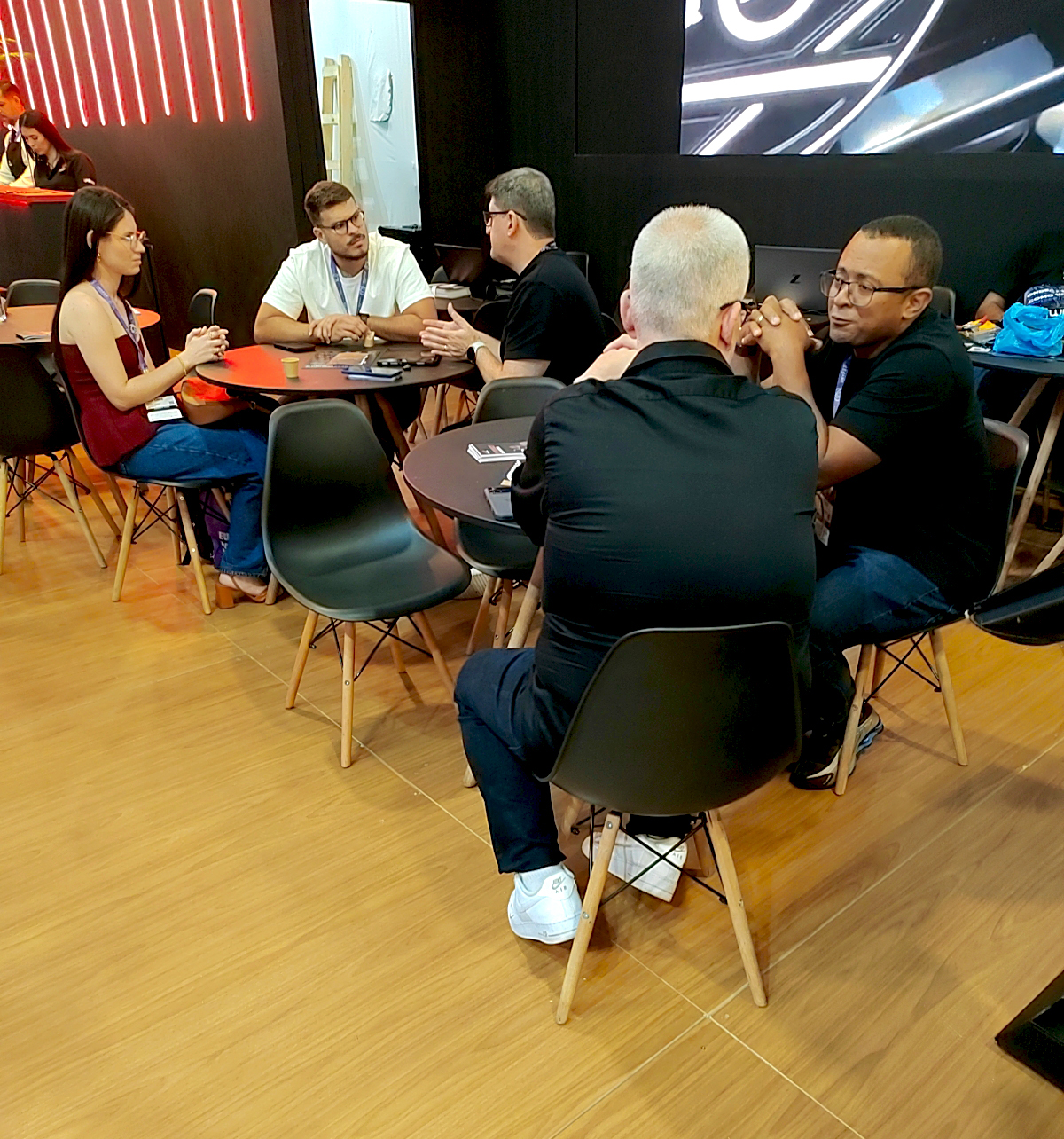
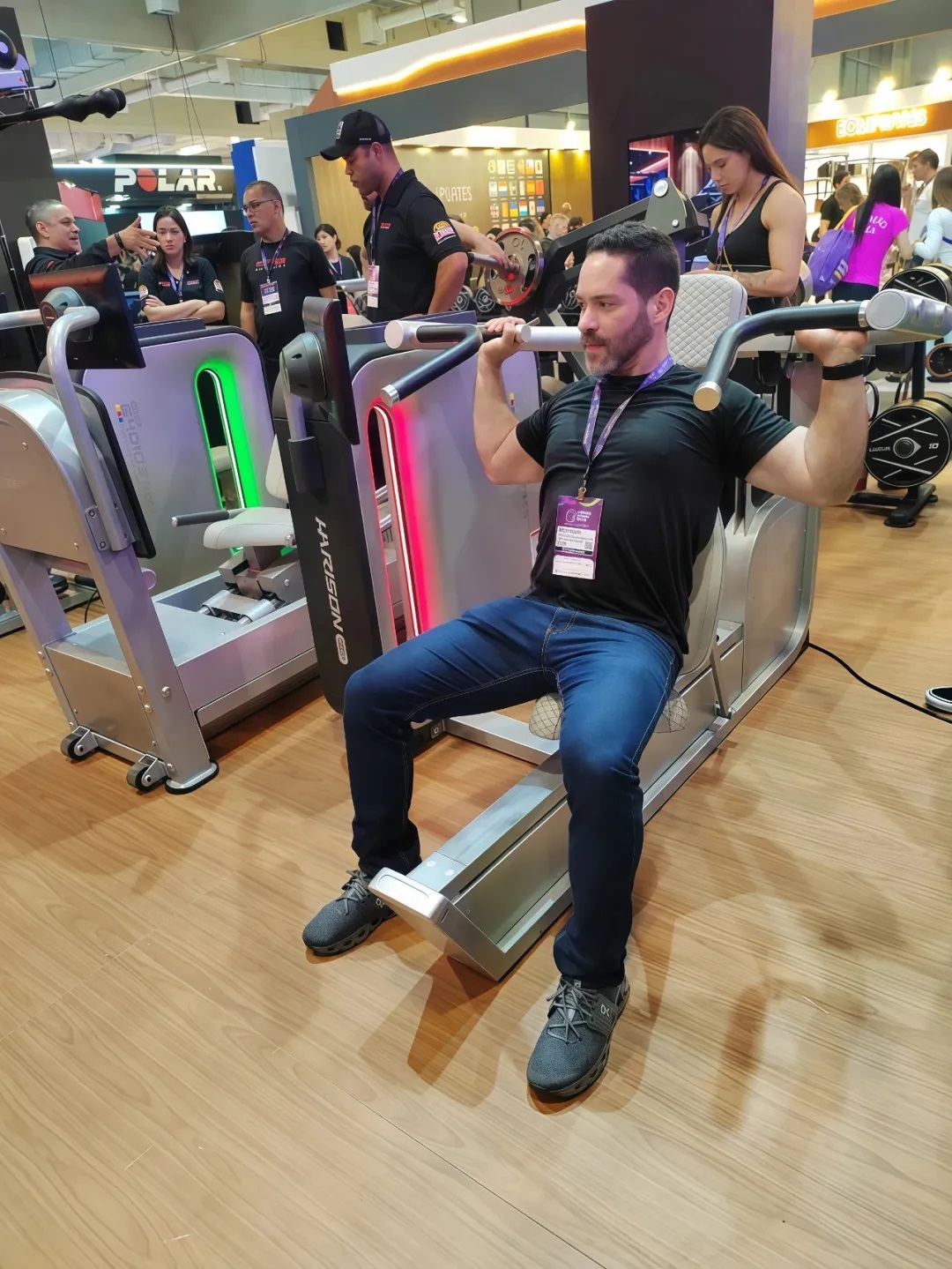
The atmosphere on-site was electric ⚡. HARISON’s professional team stood ready, explaining core product advantages, smart configurations, ergonomic design, and application scenarios to every visitor. They patiently answered questions about partnership opportunities, purchasing, and equipment customization. 🎯

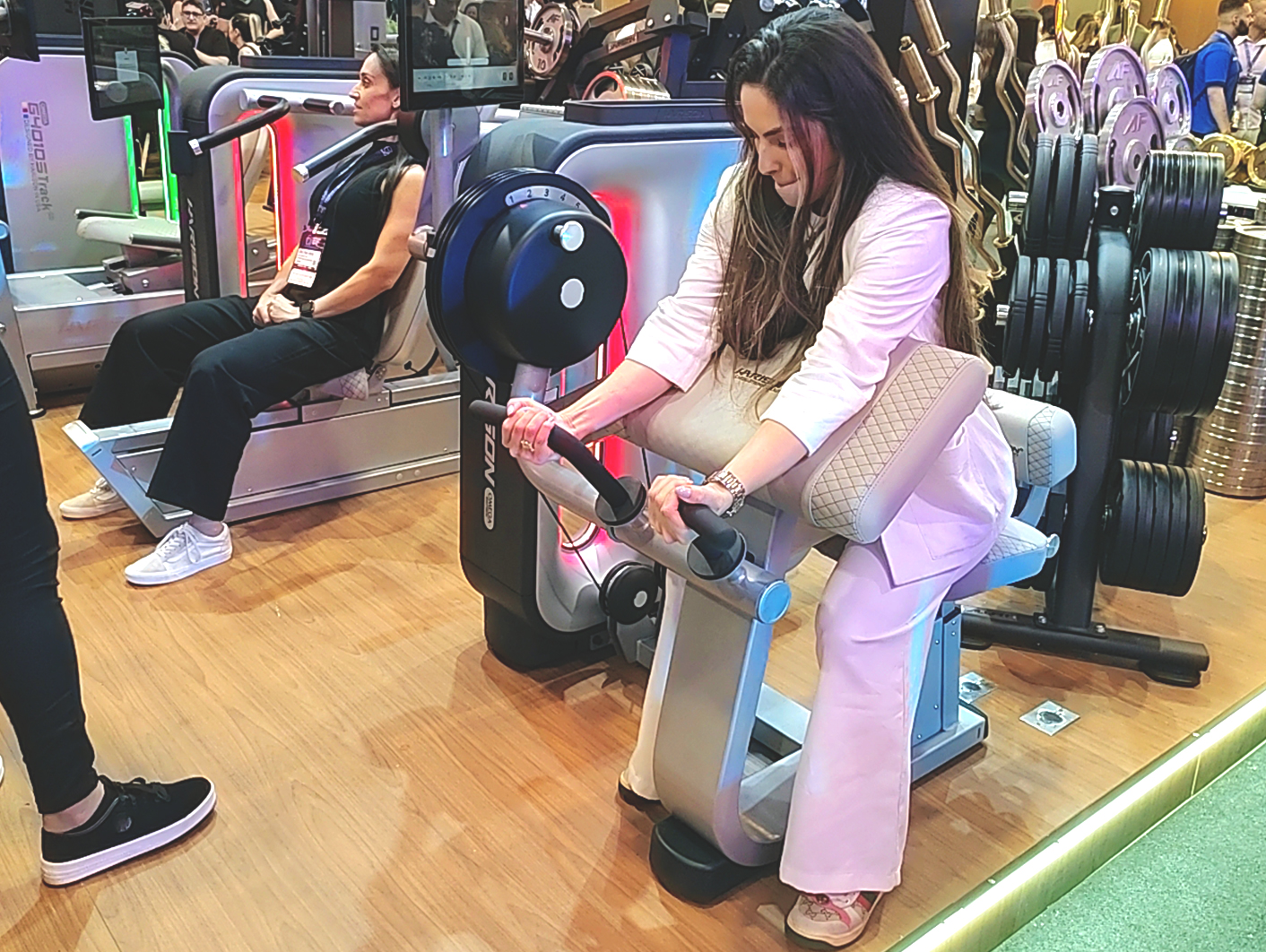
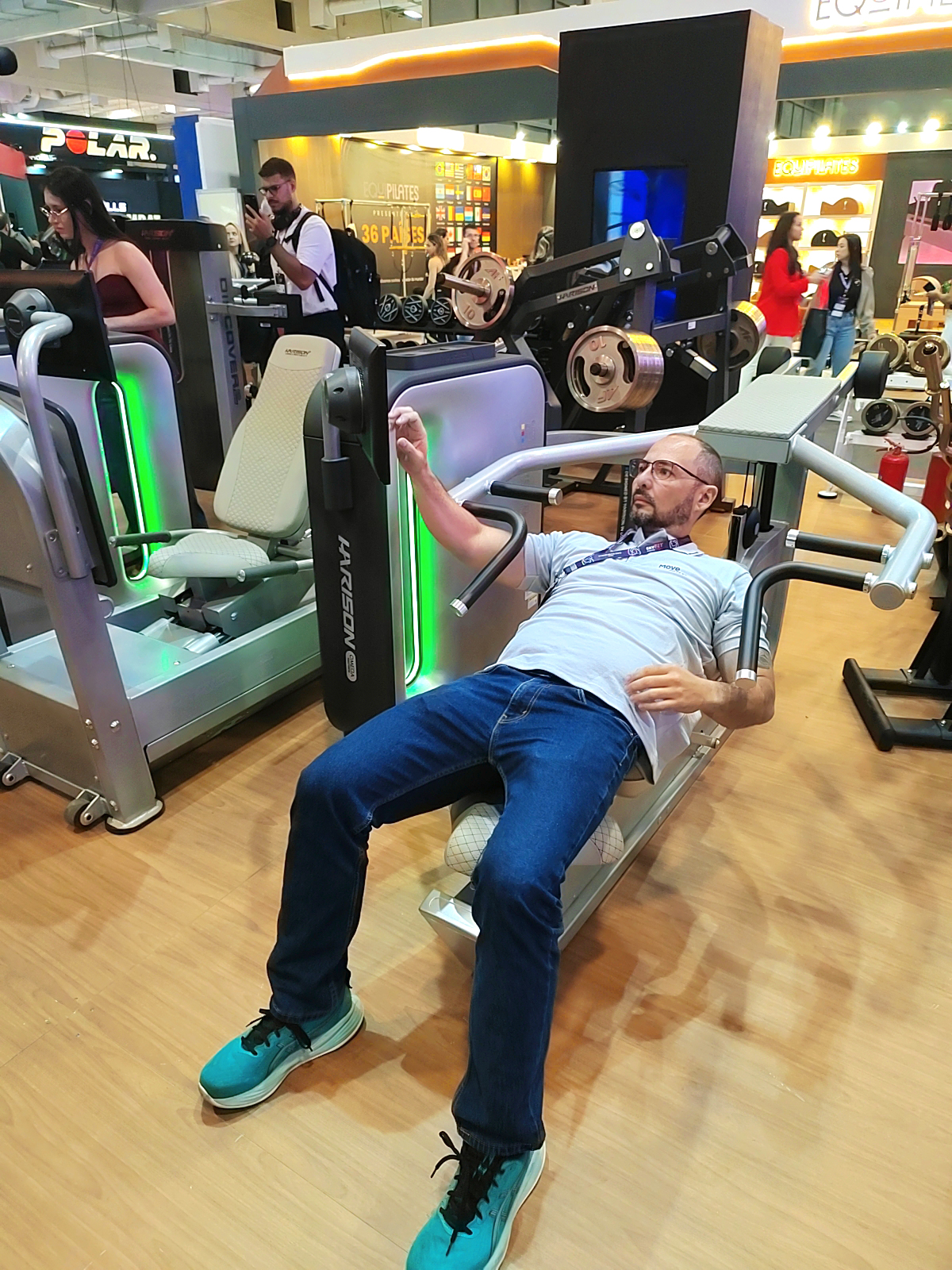
Distributors, gym operators, and fitness enthusiasts flocked to the booth, eager to test the equipment firsthand. 🏋️‍♀️🏢

The response was overwhelmingly positive ✅. HARISON’s new products were praised for their professionalism, practicality, and high-tech appeal—perfectly aligned with the upgrading demands of today’s commercial fitness market. 🤝💼 Deep discussions on collaboration and procurement took place throughout the day.

In addition, HARISON added an interactive twist: 🎮 fun demo sessions and live coaching. Professional trainers performed standard movements on the new machines, breaking down techniques and demonstrating real-world training advantages. The engaging, high-energy demo environment kept foot traffic high and the booth buzzing with excitement. 🎤🎶

HARISON Night Shines Bright: A Toast to the Future of Fitness 🥂🌙

Beyond the busy expo floor, HARISON hosted its signature event: the HARISON 30th Anniversary Gala & Partner Appreciation Dinner at the Xiamen Portman Hotel. 🏨🎉

The evening was both grand and warm. Guests arrived, signed the welcome wall, posed for photos, and captured memories under the spotlight. 📸✨

A dazzling light show kicked off the festivities 💡🎆, instantly igniting the atmosphere and signaling the start of an unforgettable night.

HARISON Group General Manager Ye Yong and International Business Director Sarah took the stage one after another. 🎙️ They shared insights on industry trends, brand philosophy, and a shared vision for growth—underscoring HARISON’s leadership and commitment to the global fitness community. 🌍🤝

IWF General Manager Peng Chong also delivered a speech as a special guest. 👏

Following the opening remarks, Ye Yong presented a deep dive into HARISON’s newest offerings. He spotlighted the G40 Track Smart Strength Series, unveiling its technological core—from biomechanical breakthroughs and smart strength control to AI-powered data interconnectivity. 🤖📊

He also outlined HARISON’s global expansion strategy. The brand has now opened flagship stores in multiple countries and regions, steadily expanding its international footprint. 🌏🚀 Ye then detailed the G13 and G60 commercial series, giving attendees a full appreciation of HARISON’s robust engineering and design excellence. 🛠️💡

The product presentation naturally gave way to celebration. 🥳 Ye Yong and Sarah raised their glasses in a toast, expressing heartfelt thanks to all partners, industry peers, and guests. The room followed suit, kicking off the festive part of the evening in unison. 🥂🎊

As the night progressed, guests were treated to a series of high-energy performances: an impressive trainer fitness show 🕺💪 and a live international band 🎸🎤. The immersive experience brought energy, rhythm, and style to the gala. 🎵✨

Then came the highlight of the evening: multiple award ceremonies celebrating outstanding partners and honoring collective achievements. 🏆👑 It was a powerful moment of recognition and encouragement. 🙌

Looking ahead, HARISON remains committed to advancing the fitness industry. Through continuous innovation, meticulous craftsmanship, and unwavering service, the company will keep working hand in hand with partners to explore new fronti

How Often Do Gyms Replace Equipment? A Complete Guide to Depreciation & Replacement Cycles in 2026

💰 Why Replacement Timing Matters for Your Bottom Line

Getting replacement timing right directly impacts three core areas of your business: operational costs, member retention, and asset value. Aging equipment requires more frequent repairs, frustrates members, and eventually loses its book value faster than you might expect.

The Hidden Costs of Keeping Equipment Too Long

Equipment that stays on your floor past its prime generates rising repair bills. Industry experts suggest that when cumulative annual repairs exceed 30–40% of replacement value, you are losing money by keeping the machine. Additionally, outdated consoles and worn padding signal neglect to members, driving negative reviews and cancellations.

The Risk of Replacing Equipment Too Early

On the flip side, replacing equipment before it is fully depreciated wastes tax benefits. Most commercial gym equipment has a 7-year useful life for depreciation purposes under IRS guidelines. Selling or trading in equipment before year 7 means leaving money on the table that could have offset taxable income.


📊 Industry Standards: How Many Years Does Each Machine Last?

Industry benchmarks provide a starting point, but your actual replacement schedule should be adjusted based on usage hours, maintenance quality, and member feedback. Here are the standard replacement windows for commercial gyms.

Equipment Category Expected Lifespan Key Factors
Treadmills 5–7 years Motor wear, deck condition, console tech
Ellipticals 5–7 years Bearing wear, resistance mechanism
Stationary Bikes 7–10 years Belt/crank wear, electronics
Rowing Machines 7–10 years Rail wear, resistance tank
Selectorized Strength 10–12 years Cable wear, pulley bearings, padding
Cable Machines 8–12 years Cable fraying, guide rods
Free Weights 15–20 years Cosmetic only; replace if chipped/cracked
Rubber Flooring 5–8 years Compression, cracking, odor

Cardio Equipment (Treadmills, Ellipticals, Bikes)

Cardio machines take the heaviest daily beating, often operating 12-18 hours per day in busy gyms. Treadmills typically need replacement every 5-7 years, with the motor and deck being the first components to fail. Ellipticals and bikes can sometimes stretch to 7-10 years with proper maintenance, especially magnetic resistance models like those from HARISON and Precor.

Strength Equipment & Free Weights

Strength equipment lasts significantly longer. Selectorized machines often remain functional for 10-12 years, though cables and padding will need mid-life replacement. Free weights—dumbbells, barbells, weight plates—can last 15-20 years or more if properly maintained. Brands like Life Fitness and Hammer Strength are known for durability in this category.


🧾 How to Calculate Gym Equipment Depreciation (Tax Guide)

Understanding depreciation helps you plan replacement budgets and maximize tax deductions. The IRS categorizes gym equipment as 7-year property under MACRS (Modified Accelerated Cost Recovery System).

Straight-Line Depreciation Method

The simplest method spreads the equipment cost evenly over its useful life. For a 7,000commercialtreadmillwitha7−yearlifeand500 salvage value:

  • Annual Depreciation = (7,000–500) ÷ 7 = $929 per year

After 7 years, the equipment is fully depreciated, signaling a natural replacement trigger.

Bonus Depreciation & Section 179 Strategies

For 2026, Section 179 allows you to deduct up to $1,220,000 of new or used equipment purchases in the first year. Bonus depreciation is currently being phased down (60% for 2026, then 40% for 2027). Consult your tax professional, but these provisions can significantly accelerate write-offs for gym owners making major equipment investments.


🔧 When to Replace vs. Repair: A Decision Framework

Not every breakdown means replacement. Use this framework to make data-driven decisions rather than emotional ones.

The 30-40% Rule for Repair vs. Replace Decisions

If a single repair costs 30-40% or more of the equipment’s replacement value, replacement is usually the better economic choice. For a 6,000ellipticalfacinga2,200 motor replacement, replace it. For a 200upholsteryrepairona10,000 machine, repair it.

Tracking Downtime & Member Complaints

Keep a maintenance log. If a machine is out of service more than 2-3 times per year or offline for more than a week per incident, it is damaging member experience. Track mentions of “old equipment” or “broken machines” in exit surveys and Google reviews. These are leading indicators of churn that spreadsheets alone cannot capture.


🤝 How HARISON Commercial Equipment Extends Your Replacement Cycle

Choosing commercial-grade equipment from a reputable supplier directly extends your replacement timeline. HARISON builds machines specifically for high-traffic commercial environments, helping gym owners maximize ROI.

Built for 12-18 Hours of Daily Use

HARISON commercial treadmills feature 4.0+ CHP motors and fully welded steel frames, engineered for the heavy demands of health clubs and university gyms. Unlike light-commercial or residential machines that fail within 1-3 years under heavy use, HARISON equipment is designed for a 10-15 year operational life with proper maintenance.

Lifetime Frame Warranty & 3-5 Year Parts Coverage

A comprehensive warranty is your best protection against unexpected repair costs. HARISON offers lifetime warranty on frames and 3-5 years on parts, motors, and electronics for commercial purchases. This coverage reduces your total cost of ownership and provides predictable budgeting for maintenance.

When you invest in HARISON commercial equipment, you are not just buying machines—you are buying longer replacement cycles, lower lifetime costs, and fewer member complaints about broken gear.


🏁 Conclusion: Build a Proactive Replacement Plan

Replacing gym equipment is not an emergency—it is a planned operational expense. Follow these steps to build your replacement strategy:

  1. Create an asset register tracking purchase date, cost, and maintenance history for every machine

  2. Review each asset annually against the lifespan benchmarks above

  3. Set aside a replacement reserve equal to 10-15% of equipment value annually

  4. Use the 30-40% rule to guide repair vs. replace decisions

  5. Partner with a commercial-grade supplier like HARISON to maximize durability and warranty protection

Stop waiting for treadmills to break during rush hour. Start planning your replacement cycle today.


❓ Frequently Asked Questions

1. How does the IRS define the useful life of gym equipment for tax depreciation?

The IRS classifies gym equipment as 7-year property under MACRS, meaning you must depreciate it over 7 years unless you elect Section 179 or bonus depreciation to accelerate deductions in year one.

2. What is the difference between light commercial and full commercial equipment lifespans?

Light commercial equipment is designed for 4-8 hours of daily use (boutique studios, hotel gyms) and typically lasts 3-7 years. Full commercial equipment handles 12-18 hours of daily use (large health clubs, university gyms) and can last 10-15 years with proper maintenance.

3. How much should a gym budget annually for equipment replacement?

Industry best practice suggests setting aside 10-15% of your total equipment replacement value annually. For a gym with 200,000worthofequipment,budget20,000–$30,000 per year for ongoing replacement needs.

4. Can refurbished gym equipment be a smart financial move?

Yes, for non-critical items or secondary locations. Refurbished equipment typically costs 60-70% of new prices but may have shorter remaining lifespans (2-5 years). For high-traffic cardio zones, new commercial equipment usually provides better ROI.

5. How do I know if member complaints about equipment are serious enough to trigger replacement?

Track complaint frequency. If more than 5 members per month mention the same equipment issue, or if equipment appears in negative Google reviews, it is time to replace. For every member who complains, assume 5-10 more feel the same way but stay silent.

HARISON will be showcasing its latest smart products at the 2026 China Sport Show! Join us on a new journey in the fitness industry!

HARISON Heads to the 2026 China Sport Show – A Grand Stage for Smart Fitness Innovation 🇨🇳🏋️

The 2026 China International Sporting Goods Show is almost here! From May 21-24, 2026, the Xiamen International Conference & Exhibition Center will host one of the most anticipated fitness industry events of the year.

This year‘s show is bigger than ever. With 200,000 square meters of exhibition space and nearly 2,000 exhibitors, both numbers set new records – proof of the booming energy in China‘s sports and fitness industry.

A major highlight? The new APFIT Asia-Pacific Fitness & Wellness Zone spans nearly 130,000 square meters, bringing together over 1,100 exhibitors across five core sections: professional fitness, performance assessment, sports rehabilitation, wellness, and more. It‘s a complete picture of the fitness industry from end to end.

As a deep-dive partner of the show and a global fitness brand with 30 years of industry experience, HARISON is proud to be part of this record-breaking event. We invite you to visit us at Booth C3012 to see what‘s new.

ARISON cordially invites you to visit our booth C3012.


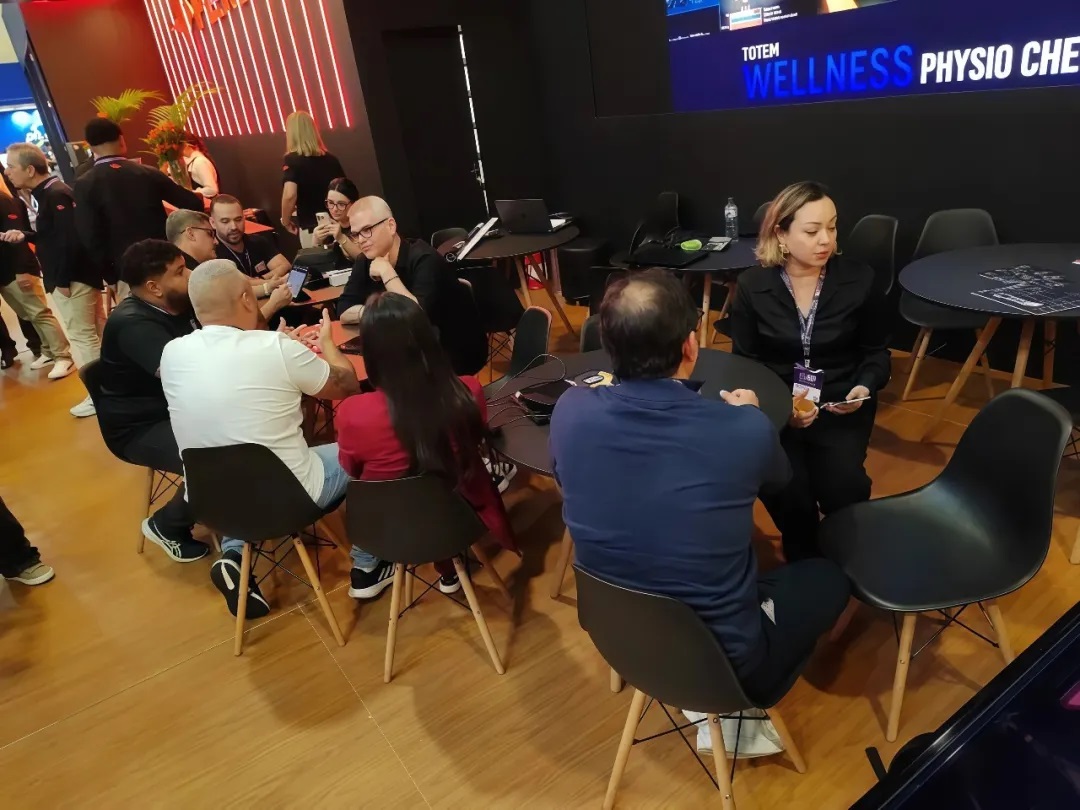
01 – Sneak Peek: Our Booth Experience 🎪

Our booth is designed to bring the HARISON brand to life. We‘ve created an immersive space that blends our visual identity with hands-on fitness experiences – every detail reflects who we are and what we stand for.

A sneak peek at the brand booths

The booth is divided into four functional zones:

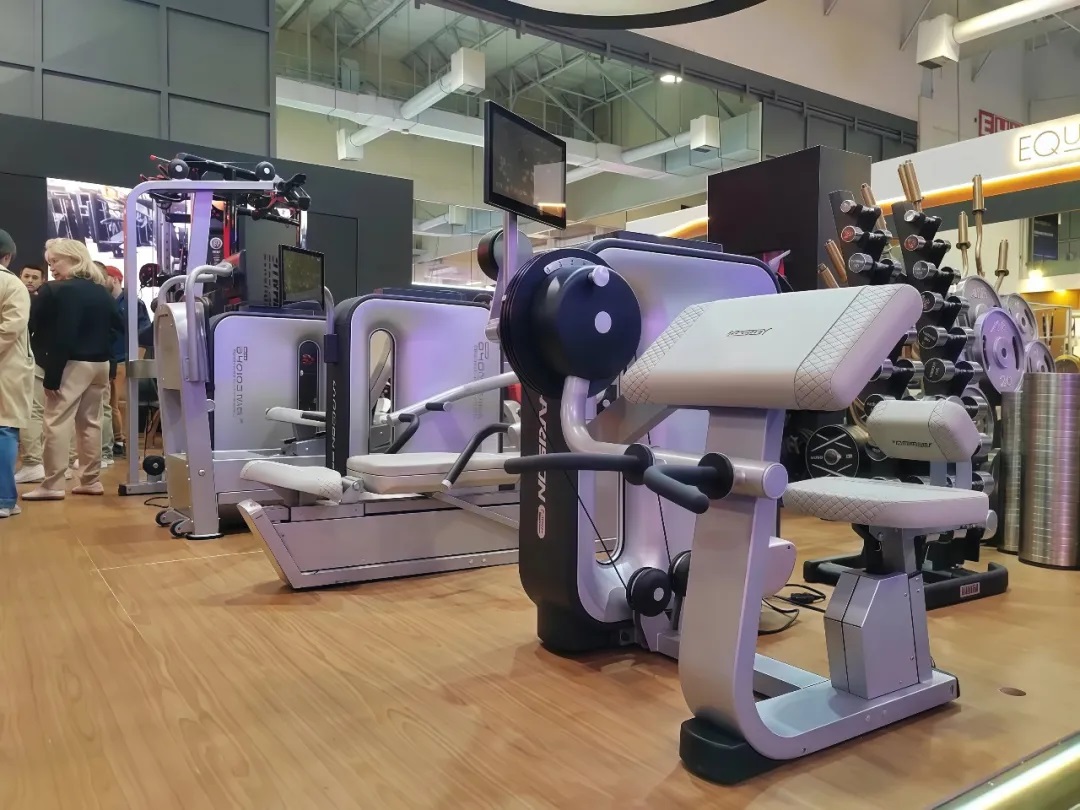
Equipment Showcase Zone – Featuring our latest releases, including the G40 Track smart strength series, G13 series, and the debut of the all-new G60 series. Thoughtful lighting and clear product information help visitors understand the technology and performance behind each machine.

Interactive Experience Zone – Celebrating HARISON‘s 30th anniversary, this zone includes a special 30-year theme installation where visitors can take photos, leave memories, and engage with the brand in a fun, meaningful way.

Business Lounge – A quiet, comfortable space for industry partners and serious buyers to sit down, discuss needs, and explore collaboration opportunities.

Coffee Bar – Yes, we have coffee! Complimentary Starbucks for all visitors – because great conversations (and great workouts) start with a good cup of coffee.

Equipment display area, interactive experience area, business negotiation area


02 – New Product Matrix Ready to Launch 🚀

This year, HARISON is bringing serious firepower to Xiamen. We‘re showcasing three major product lines – including the world premiere of the G60 series.

🔹 G40 Track Smart Strength Series

Modular strength training for every space

The G40 Track series features 8 different machines that can be quickly assembled, disassembled, and reconfigured. Whether you‘re outfitting a small boutique studio or a large training center, this system adapts to your floor space and training needs.

  • Covers 8 major muscle groups – chest, back, legs, shoulders, arms, and more

  • Seated shoulder & chest press machine – precise mechanics for targeted development

  • Seated biceps/triceps trainer – progressive resistance for deep muscle stimulation

  • Optimized movement paths ensure every rep hits the intended muscle group

This is a full-system, full-coverage strength training solution for serious facilities.

G40 Track Intelligent Power Series

🔹 G13 Strength Series

Built tough. Designed for Asian body types.

The G13 series combines rugged durability with ergonomics tailored to Asian users – addressing a gap that many traditional commercial machines miss.

  • Built for high-frequency commercial use

  • Comfortable enough for home users who want professional-grade gear

  • “One machine, long-term stability” – a reliable workhorse for any gym

Perfect for professional gyms and corporate fitness centers.

G13 Power Series

🔹 G60 Strength Series (World Premiere!)

Redefining the home strength benchmark

The G60 series makes its global debut at the 2026 China Sport Show. This is HARISON‘s latest flagship home strength line – and it‘s a game-changer.

  • Breakthroughs in design, technology, and user experience

  • Aligns with the industry‘s shift toward smart, diverse fitness solutions

  • Works for both home and commercial settings – high-end gyms, corporate fitness centers, and home garages alike

Want to know more? You‘ll have to come see it at the show. We‘re keeping some surprises under wraps until then.


03 – More New Products Await 🔥

Beyond the G-series lineup, HARISON is bringing many other new products making their first public appearance at the 2026 China Sport Show.

From smart connected machines to commercial-grade strength equipment – there‘s something for every type of fitness facility and home gym.

We can‘t wait to show you everything.


Plan Your Visit 📍

Detail Information
Event 2026 China Sport Show
Our Booth C3012
Date May 21-24, 2026
Venue Xiamen International Conference & Exhibition Center, No. 198 Huizhan Road, Siming District, Xiamen, China

Come see the future of fitness. Try our equipment. Meet our team. Enjoy a coffee. And celebrate 30 years of HARISON with us.

See you in Xiamen!

Visit HARISON at Booth C3012 – Let‘s shape the future of fitness together.

Explore HARISON online: www.harisonfitness.com

As long as you know how to eat, even those with a smaller starting point can achieve a perfect figure!

If you have any queries or suggestions, please feel free to reach out via email to info@harisonfitness.com. We will do everything in our capacity to ensure that you love your experience with us.

In reality, “looking slim” and “having a well-proportioned, attractive figure” are two entirely different things. When it comes to fat loss for those with a lower starting weight, the goal is never simply to lose as much weight as possible. Instead, it involves a dual approach of moderate weight management and targeted body sculpting to develop toned lines and a confident, elegant presence.

01 What Is Low-Calorie Dieting?

What many people consider “slightly overweight” is actually a classic case of “low-base weight” obesity. Simply put, anyone whose weight exceeds their ideal weight by less than 10 jin falls into the category of those aiming to lose fat from a low-base weight. In the early stages of weight loss for those with a high-base weight, the loss is mostly water and superficial fat; however, for those with a low-base weight, the focus is never on the number on the scale, but rather on reducing body fat percentage and sculpting the body’s contours.


The fundamental reason why it’s difficult to lose weight when starting from a low baseline is a low basal metabolic rate. At this stage, you must never resort to extreme dieting, as this will only further slow down your metabolism. The body has a “memory” and has long adapted to your long-term weight status. To break through a plateau, you must help your body readjust to a new state—through scientifically balanced nutrition and varied exercise—to actively boost your basal metabolic rate. Blind dieting only leads to nutritional imbalances; once you rebound later, you’ll regain nothing but stubborn fat, making it a losing proposition.

02 Personalized Diet Plan: Easily Break Through a Plateau

1. Boosting your basal metabolic rate is key to fat loss
The key to losing weight when you’re already lean isn’t about starving yourself, but about boosting your metabolism. Drink plenty of water daily to maintain your basal metabolic rate; on days when you exercise, make sure to replenish with high-quality protein. Be sure to eat promptly after working out—sugar-free oatmeal, whole-grain bread, and sugar-free soy milk are all excellent choices, as they help repair muscles and accelerate fat burning.


Include high-protein foods like fish and lean beef in your daily meals. The body burns more calories digesting protein than it does digesting carbohydrates or fats, which helps you continuously burn fat and boost your metabolism.

2. Limit sugar and fat intake; eat plenty of fruits and vegetables to support gut health
During fat-loss phases, it’s essential to moderate your sugar intake. Make whole grains your staple and refined grains (such as white rice and white flour) a supplement; aim for a 1:1 ratio of refined grains to whole grains. This helps stabilize blood sugar levels and prevents excess sugar from being converted into fat.


A long-term high-sugar diet not only disrupts your nutritional balance but also weakens your immune system, increases fatigue, and dulls your complexion. For those with a naturally slower metabolism, this makes it even harder to lose weight. At the same time, keep an eye on hidden calorie intake by using less oil, sugar, and salt when cooking, and prioritize light cooking methods such as steaming, braising, and baking. When it comes to red meat, stick to lean cuts. Fish is an excellent choice; marinate it in rock salt and bake it in the oven without adding oil, which better aligns with fat-loss goals. It is recommended to limit daily salt intake to 6g or less.


5 Questions to Ask Fitness Equipment Suppliers Before Buying | HARISON

5 Questions to Ask Fitness Equipment Suppliers Before You Buy 💰🏋️

When buying fitness equipment, focusing only on price is a dangerous trap. A cheap treadmill that breaks down constantly can cost more in repairs within six months than the purchase price. To protect your investment, ask these 5 critical questions before signing any contract.

1. “What commercial certifications do your products have?” 🔍

Why This Matters

The real difference between commercial and home equipment is structural strength and durability. EN957 Class H certification means the equipment is tested to handle 8-12 hours of daily use. Without proper certification, “commercial” machines may develop loose parts, noise, and failures within months.

What to Look For

Ask for third-party test reports like EN957 or ISO 9001. Check frame steel gauge (commercial standard: 11-gauge minimum), weight capacity (300-500+ lbs), and continuous motor power ratings.

2. “What does your warranty actually cover?” 📝

Why This Matters

Some suppliers offer long warranty periods, but fine print reveals they only cover parts that never break – while excluding high-wear components. Reliable suppliers provide clear warranty terms: frame (lifetime or 5-10 years), motor (3-5 years), parts (1-3 years), and labor.

What to Look For

Confirm whether warranty includes on-site service. Some suppliers cover “ex-factory” parts only, while labor and travel are extra. Ask specifically about wear parts: belts, upholstery, handles, and pedals.

3. “Where are your service centers, and what’s your response time?” ⏱️

Why This Matters

When equipment breaks down, waiting time equals lost revenue. Stories of suppliers suddenly disappearing – leaving百万 dollars of equipment as scrap – are not uncommon. A strong supplier has a local service network.

What to Look For

Ask if they have direct or authorized service centers in your area. Confirm response time commitments – commercial contracts often specify “48-hour on-site response.” Also ask if they offer loaner equipment during repairs.

4. “Can I see real references from similar facilities?” 🏢

Why This Matters

Past projects are the best evidence of a supplier’s real capabilities. Seeing equipment in similar facilities reveals actual durability, service quality, and long-term partnership satisfaction.

What to Look For

Request references from facilities similar to yours – hotels, large clubs, or corporate gyms. If possible, visit a client site that has worked with the supplier for over 2 years. Inspect equipment wear levels firsthand.

5. “How do you help control total cost of ownership?” 💰

Why This Matters

Purchase price is often only 40-60% of total equipment cost. Energy consumption, repairs, and replacement parts make up the rest. Design choices like high-efficiency motors and heavy-duty frames significantly reduce long-term costs.

What to Look For

Ask about modular design – are key components quick and easy to replace? Inquire about energy efficiency ratings. Request a spare parts price list. Understand replacement cycles and costs for consumables (belts, pads, grips).

Quick Reference – Questions to Ask Suppliers 📋

Category Key Question What a Good Supplier Has
Certifications EN957/ISO certified? Class H, third-party test reports
Warranty Frame, motor, parts coverage? Frame lifetime/5-10 yrs, motor 3-5 yrs, labor included
Service Local support? Response time? Local centers, 48-hour on-site response
References Similar facility case studies? 3+ years of relevant projects, client visits available
Total Cost Energy, maintenance, parts? Energy-efficient design, modular build, transparent parts pricing

Conclusion – Smart Questions Lead to Smart Investments 🎯

Buying fitness equipment is a long-term investment. Focusing only on price can lead to higher repair and operating costs down the road. These 5 questions help you identify truly reliable suppliers – ensuring smooth operations and happy members.

A professional supplier offers not just quality equipment, but also a solid service network and industry expertise. Do your homework. Choose a partner who will grow with you.

Shop Commercial Equipment

Frequently Asked Questions (FAQ) ❓

Q1: Is it safe to buy refurbished commercial equipment from suppliers?

A: It can be, but request a detailed refurbishment log. Ensure the supplier replaced all wear items (belts, upholstery, cables) and offers a minimum 6-month parts warranty. Verify they use certified technicians for refurbishment.

Q2: How do I verify if a supplier actually has local technicians?

A: Ask for the specific address of their nearest service center. Request a technical site visit before finalizing your purchase. Inquire about their hiring standards – certified technicians should have electrical or mechanical engineering backgrounds.

Q3: What payment terms protect me from supplier default?

A: Avoid 100% upfront payment. Use a milestone structure: 30% deposit, 30% before shipment (after your inspection), 40% after successful installation. Letters of Credit (L/C) or Trade Assurance offer additional buyer protection.

Q4: Why do two similar-looking benches have vastly different prices?

A: Look inside the steel frame. An 11-gauge (3mm) bench with reinforced welds costs more but safely handles 1,000 lbs. A 14-gauge bench with spot welds may bend under 300 lbs – a serious safety risk.

Q5: Should I buy branded new or unbranded machines for a startup gym?

A: Branded machines generally hold higher resale value and have easier parts availability. Unbranded machines cost less upfront but can lead to extended downtime if parts aren’t standardized. Consider your long-term service needs before deciding.

HARISON cordially invites you to the 2026 CHINA SPORTS SHOW

🔥 HARISON at the 2026 CHINA SPORTS SHOW – See What’s Next in Home & Commercial Fitness

📍 Booth #C3012
📅 May 21–24, 2026
📍 Xiamen International Conference & Exhibition Center – Fujian, China

HARISON is heading to the 2026 CHINA SPORTS SHOW, and we’re bringing the heat.

As one of the most trusted names in home and commercial fitness equipment across the U.S., we’re excited to showcase our latest innovations in strength training, cardio, and smart fitness technology.

Come visit us at Booth C3012 – whether you’re a dealer, distributor, gym owner, or fitness enthusiast, this is your chance to see what HARISON has been working on.


🍽️ Exclusive Dinner Party & New Product Launch

📅 Thursday, May 21, 2026
⏰ 6:00 PM – 9:00 PM
📍 Peony Harbor City Hotel – Xiamen, China


💪 Why Meet HARISON in Xiamen?

  • ✅ Early access to unreleased products

  • ✅ Meet the HARISON product & engineering team

  • ✅ Explore OEM/ODM & private label opportunities

  • ✅ Test demo units on-site

  • ✅ Build partnerships for the U.S. and global markets

2026 China International Sporting Goods Show (Sports Expo)

HARISON – Built for Strength. Engineered for Performance.
See you in Xiamen.

Drinking sports drinks the wrong way is quietly making you gain weight

If you have any queries or suggestions, please feel free to reach out via email to info@harisonfitness.com. We will do everything in our capacity to ensure that you love your experience with us.

Sports drinks have long been a staple for fitness enthusiasts. With their vibrant colors and stylish packaging, they’re not just beverages for hydration—they’re also popular props for photos at the gym. However, most people drink them simply because they’re trendy, without truly understanding their actual benefits or when they’re best suited for use. What’s more, they often overlook the fact that consuming them the wrong way or at the wrong time can actually lead to weight gain and undermine their fitness results. Today, we’ll break it all down in detail.

01Are sports drinks actually effective for fitness?

There is a wide variety of sports drinks on the market, each with its own unique marketing claims, but their core ingredients are largely the same: they mainly consist of water, glucose, fructose, sodium, potassium, calcium, and other substances. During high-intensity exercise, we deplete large amounts of stored glycogen in the liver and muscles. Once glycogen reserves are depleted, we are prone to low blood sugar, reduced exercise endurance, and rapid physical fatigue. The carbohydrates in sports drinks can quickly replenish the glycogen lost during exercise, helping to restore energy and delay fatigue—which is the core reason they are so popular among athletes.


At the same time, intense exercise leads to a dramatic increase in sweating, causing the body to lose large amounts of water and electrolytes, which can easily result in electrolyte imbalances, weakness, and muscle cramps. The trace elements such as sodium and potassium found in sports drinks can promptly replenish lost electrolytes, providing both hydration and helping to maintain stable bodily functions. Therefore, specifically for high-intensity, strenuous exercise, consuming sports drinks in moderation does indeed serve a replenishing purpose.

02 Snacking between meals is a surefire way to gain weight

The biggest concern with sports drinks is their high sugar content. When you’re not exercising, your body’s electrolytes and blood sugar levels are in a balanced, stable state. Consuming sports drinks casually at such times is equivalent to ingesting large amounts of added sugar out of nowhere. Since your body isn’t getting enough exercise to burn off the excess sugar, the remaining sugar is converted into fat and stored, which naturally leads to weight gain over time. Therefore, when you’re not exercising, it’s strongly discouraged to drink sports drinks as if they were plain water or a regular beverage. Even for those who are working out, sports drinks are not suitable for everyone or every type of exercise: Many people start working out to lose fat and tone their bodies, which requires maintaining a calorie deficit—burning more calories than they consume to burn fat. If you casually drink sports drinks during workouts while trying to lose fat, the sugar you consume will offset the fat burned, directly slowing down your fat-loss progress.


Furthermore, there is no need to drink them during low-intensity recreational activities. For daily jogging, simple stretching, or light workouts—where sweat production is minimal and electrolyte loss is limited—the body can fully regulate its own balance. Drinking sports drinks in these situations is entirely unnecessary and will only increase sugar intake. Sports drinks are essentially functional sugary beverages; they are not suitable for everyone or for consumption at any time.


03The Proper Way to Drink Sports Drinks

After intense exercise and heavy sweating, guzzling a large amount of sports drink all at once can lead to excessive fluid intake in a short period, which may place an additional burden on the body and even trigger water intoxication. The correct way to drink sports drinks is to consume small amounts frequently and slowly, taking sips in intervals to give the body enough time to absorb fluids and electrolytes, thereby maintaining a stable physical condition.

Sports drinks are only suitable for consumption after high-intensity, prolonged, and strenuous exercise that results in heavy sweating. They can effectively replenish glycogen and electrolytes to aid in physical recovery, but their actual benefits are not as exaggerated as marketed by manufacturers. If consumed indiscriminately—regardless of exercise intensity or context—such as sipping them casually throughout the day or during low-intensity workouts, the excess sugar can become a hidden risk for weight gain, directly undermining your fitness goals.

Moderate consumption is generally harmless, but it’s essential to approach sports drinks with a rational mindset. By choosing the right timing and using them correctly, you can ensure that your fitness supplements don’t become “accomplices” to weight gain.

What are the different types of femoral shaft fractures? How can exercise aid in recovery?

If you have any queries or suggestions, please feel free to reach out via email to info@harisonfitness.com. We will do everything in our capacity to ensure that you love your experience with us.

The bone in the thigh is known as the femoral shaft. Fractures in this area are very common, and a fracture here can impair lower limb function. If the fracture is not properly treated or if recovery is inadequate, the effects can last a lifetime. Generally speaking, people tend to think of a femoral shaft fracture simply as a broken bone, but this is only the surface of the issue; in reality, femoral shaft fractures are classified into many different types.

01 How many categories are there for shaft fractures?

Fractures can be divided into two main categories based on whether one end of the fracture is exposed: closed fractures and open fractures.

1. A closed fracture refers to a fracture in which the skin remains intact and the break occurs internally. Regardless of how many pieces the bone is broken into or whether the fragments are in contact with each other, as long as the broken bone is not exposed, it is classified as a closed fracture.

2. An open fracture is one in which the skin is broken. Based on the extent of the wound, the presence of muscle necrosis, whether the wound is contaminated, the integrity of the arteries, and the severity of the injury, open fractures are classified into six types, ranging from mild to severe.

02Complications that may result from a femoral fracture

1. Vascular Injury

If you suffer a traumatic injury, such as a blow or a cut from a sharp object, bleeding is likely to occur, making vascular injury a strong possibility. In such cases, if the bleeding can be stopped, there is no immediate cause for alarm. However, if the bleeding is severe and uncontrollable, surgery must be performed immediately; otherwise, damage to a major artery could occur, potentially putting your life at risk.


2. Nonunion

Generally, a fracture takes about three months to heal. If it has not healed after three months, it is considered delayed healing. However, if it has not fully healed after six months, this is classified as nonunion.


3. Re-fracture

This condition typically occurs in the elderly, who often suffer from osteoporosis. Prolonged bed rest further compromises bone quality, making them extremely susceptible to re-fractures. If there is no displacement, immobilization with a brace is sufficient; however, if displacement is present, surgical treatment is required.

03How to Recover Through Exercise

Exercise 1: Active Quadriceps Contraction

Instructions: Lie on your back or sit on the bed with your upper body upright and your arms extended behind you for support. Keep both legs straight, then actively contract the muscles on the front of the affected thigh before relaxing. Repeat this exercise, performing 2 sets of 12 repetitions each.

Exercise 2: Supine Heel Slide

Instructions: Lie on your back with your upper body upright and arms at your sides. Keep the heel of the affected leg on the bed and slide it backward while keeping the unaffected leg stationary. Maintain even breathing throughout the exercise. Repeat this exercise 8 times.

Exercise 3: Seated Internal and External Rotation

Instructions: Sit with your upper body upright and arms hanging naturally at your sides. Keep your thighs parallel to the floor and your calves at a 90-degree angle to the floor. Spread your legs apart, then bring them back together. The range of motion should be within your comfortable limits. Breathe evenly throughout. Repeat this exercise for 2 sets of 8 repetitions each.

Exercise 4: Ankle Pumps

Key Points: Lie on your back with your upper body straight and arms extended behind you for support. Keep your legs straight and move your ankles up and down while maintaining steady breathing. Repeat this exercise 2 sets at a time, with 12 repetitions per set.

These four exercises can help patients improve lower limb range of motion and prevent postoperative adhesions. Perform the exercises 40 minutes after meals, 2 to 3 times daily.


How to Prevent Groin Strains? Follow These Exercises for a Speedy Recovery After a Strain

If you have any queries or suggestions, please feel free to reach out via email to info@harisonfitness.com. We will do everything in our capacity to ensure that you love your experience with us.

Groin strains are very common, especially among athletes and young children. Although they aren’t a serious condition, they can cause significant pain when they occur. So, is it possible to effectively prevent this type of injury?

01 How to Prevent Groin Strains

Before exercising, it is essential to warm up properly and stretch your muscles and ligaments. Doing so will significantly reduce the risk of injury during your workout. Additionally, while everyone strives to be the best during exercise, it’s important to do your best within your limits. If you can’t achieve perfection, don’t push yourself too hard. Even if it’s not a competition but just regular training, you should proceed gradually. Don’t try to rush the process, or you’ll not only fail to achieve your fitness goals but also risk injury.


Whether you’re an athlete or an average person, you must protect yourself during exercise. If possible, wear compression gear while working out. This type of clothing supports your muscles, helping them stay engaged and preventing injuries caused by muscle laxity and the inability to generate force.


After exercising, regardless of how you feel at the time, it’s best to get a massage—whether a simple rub or a session with a professional. This helps relieve tight muscles, allowing your body to relax and preventing injuries.


In your regular fitness routine, you can also incorporate exercises that build muscle strength, such as sit-ups and planks. These exercises stretch your muscles and increase muscle strength. By building strong, powerful muscles, you’ll be less likely to strain yourself when suddenly engaging in physical activity.

02 Daily Management of Groin Strains

After suffering a groin strain, it is essential to maintain a scientifically sound and reasonable daily routine. Your diet should be as light as possible, with an emphasis on foods rich in protein and vitamins. Avoid greasy and spicy foods, as these will not only hinder recovery but also be detrimental to your overall health.

Additionally, after the injury, you must cease all physical activity, get plenty of bed rest, maintain good hygiene, and cultivate a relaxed and positive mindset. This will help minimize recovery time as much as possible.

Exercise 1: Wheeled Thigh Adduction

Key Points: Perform this exercise while standing. Keep your upper body upright, with the unaffected leg planted firmly on the ground and held stationary. Kneel on a wheeled chair with the injured leg, abduct the leg outward, push the chair away, and then pull it back. Note: The chair should ideally be at knee height. Repeat this exercise, performing 2 sets of 8 repetitions each.

Exercise 2: Side Plank

Key Points: Lie on your side with your upper body upright. Place the forearm of one arm flat on the ground, with the upper arm at a 90-degree angle to the floor, while extending the other arm straight upward. Stack both legs on the ground, bending the lower leg backward to form a 90-degree angle with the thigh. Perform this exercise in 2 sets, with each set lasting 20 seconds.

Exercise 3: Lateral Cross-Step

Key Points: Stand with your upper body upright and hands on your hips. Step one leg back and cross it behind the other, alternating sides. Perform this exercise in 2 sets, with 8 repetitions per set.

These three exercises can help improve lower-body joint stability, restore mobility, and increase overall strength. It is best to perform this training 40 minutes after a meal, 2 to 3 times daily.


Three Simple Exercises to Relieve Postpartum Knee Pain

If you have any queries or suggestions, please feel free to reach out via email to info@harisonfitness.com. We will do everything in our capacity to ensure that you love your experience with us.

After carrying a child for nine months and giving birth safely, new mothers officially enter the critical postpartum recovery period. Only through a scientifically balanced diet and a regular rest and activity schedule can the body’s various functions steadily return to their pre-pregnancy state. After giving birth, many new mothers experience unexplained knee pain that affects their daily activities, yet they may not know the cause or how to effectively relieve it. Today, we’ll break down the core causes of postpartum knee pain and share a set of safe, gentle rehabilitation exercises to help new mothers protect their knees and alleviate discomfort.

01Here Are the 4 Main Causes of Frequent Knee Pain After Childbirth

1. Excessive Joint Stress: Continuous weight gain during pregnancy places prolonged excessive stress on the knee joints. Over time, this can cause chronic damage to the joint capsule, surrounding ligaments, and leg muscles, making it more likely to develop persistent knee pain after childbirth.


2. Hormonal changes cause joint laxity. During pregnancy, hormone levels remain elevated to support fetal development; after childbirth, these levels drop rapidly, causing the ligaments surrounding the knee joint to loosen and significantly reducing joint stability. Even minor daily activities can lead to joint wear and degeneration, triggering knee soreness.


3. Joint Injury from Improper Exercise: Since the body has not yet fully recovered after childbirth, engaging in high-intensity or improper exercise too soon can easily damage the knee joints, leading to issues such as cartilage wear and meniscus damage, which exacerbate knee pain.


4. Pathological Factors: In rare cases, joint diseases such as rheumatoid arthritis can also be a trigger for postpartum knee pain, so it is important to pay close attention to distinguish these conditions.

02 3 Exercises for Postpartum Knee Care

To maintain healthy knees and relieve postpartum knee pain, the key lies in strengthening the thigh muscles. Strong leg muscles can help distribute pressure on the knee joints, reduce bone friction and joint wear, and slow down joint aging. At the same time, moderate and gentle exercise can promote the secretion of synovial fluid, lubricate the joint cavity, and better protect the cartilage.

1. Seated Straight-Leg Extension
Exercise Instructions: Sit on a chair with a backrest, grip the armrests firmly with both hands, and keep your thighs together. Slowly extend and lift one lower leg forward. Hold the position at the top of the movement for 3–5 seconds, then slowly lower the leg back to the starting position. Repeat the exercise. Recommendations: Perform 8–12 repetitions per set, 1–2 sets daily. As the body is weaker postpartum, start with a slower pace initially and gradually increase the number of sets as you adapt.

2. Gentle Lunges
How to perform: Stand with feet shoulder-width apart. Step forward with one leg and slowly bend both knees to lower into a squat. Note: Ensure the front knee does not extend past the toes, and the back knee remains off the ground. Engage your core to maintain stability. After completing the movement, slowly return to the starting position, alternating sides. Exercise Recommendations: Maintain proper form throughout the exercise. Exert gentle force without holding your breath. Adjust the frequency and intensity of your workouts flexibly based on your postpartum physical condition.

3. Standard Wall Squat
Exercise: Stand with your back fully pressed against the wall. Step forward with both feet, placing them shoulder-width apart. Slowly lower your body until your back, thighs, and calves form 90-degree angles. Keep your hands relaxed and maintain static tension. When you reach muscle failure, slowly stand up and rest. Repeat the exercise. Tips: Strictly control the angle of the movement to ensure training effectiveness; adjust the duration based on your tolerance—never force the movement. Once you’ve adapted, gradually increase the duration.

In addition, short, slow walks are an excellent way to care for your knees, gently moving the joints and promoting blood circulation. After childbirth, try to avoid frequent stair climbing, prolonged standing, and carrying heavy loads to reduce unnecessary strain on your knees.